LONDON - Sadiq Khan, the mayor of London, has called for a cap on the number of robotaxis allowed on the capital's streets, saying politicians had failed to "grasp the pace of change" in driverless technology as the British government prepares to let fully driverless vehicles operate in the city. He made the remarks in an interview with The Guardian published on Sunday.
"What we don't want is a situation where there's a big bang without proper regulation in place," Mr. Khan said. "We've got to make sure the regulation is fit for purpose before we have a mass rollout of things like automated vehicles." He said City Hall was lobbying the government for Transport for London to have more powers over automated vehicles than it has now.
Under the current rules for fully autonomous vehicles, TfL can only give or refuse consent for their use in London. It cannot manage or license robotaxi services. Mr. Khan noted that there is no cap on the number of private hire vehicles or taxis either, and said the city had lobbied for those powers as well. "London isn't San Francisco," he said. "We're a city of almost 10 million, 400 villages, narrow roads, and it's really important to get this right."
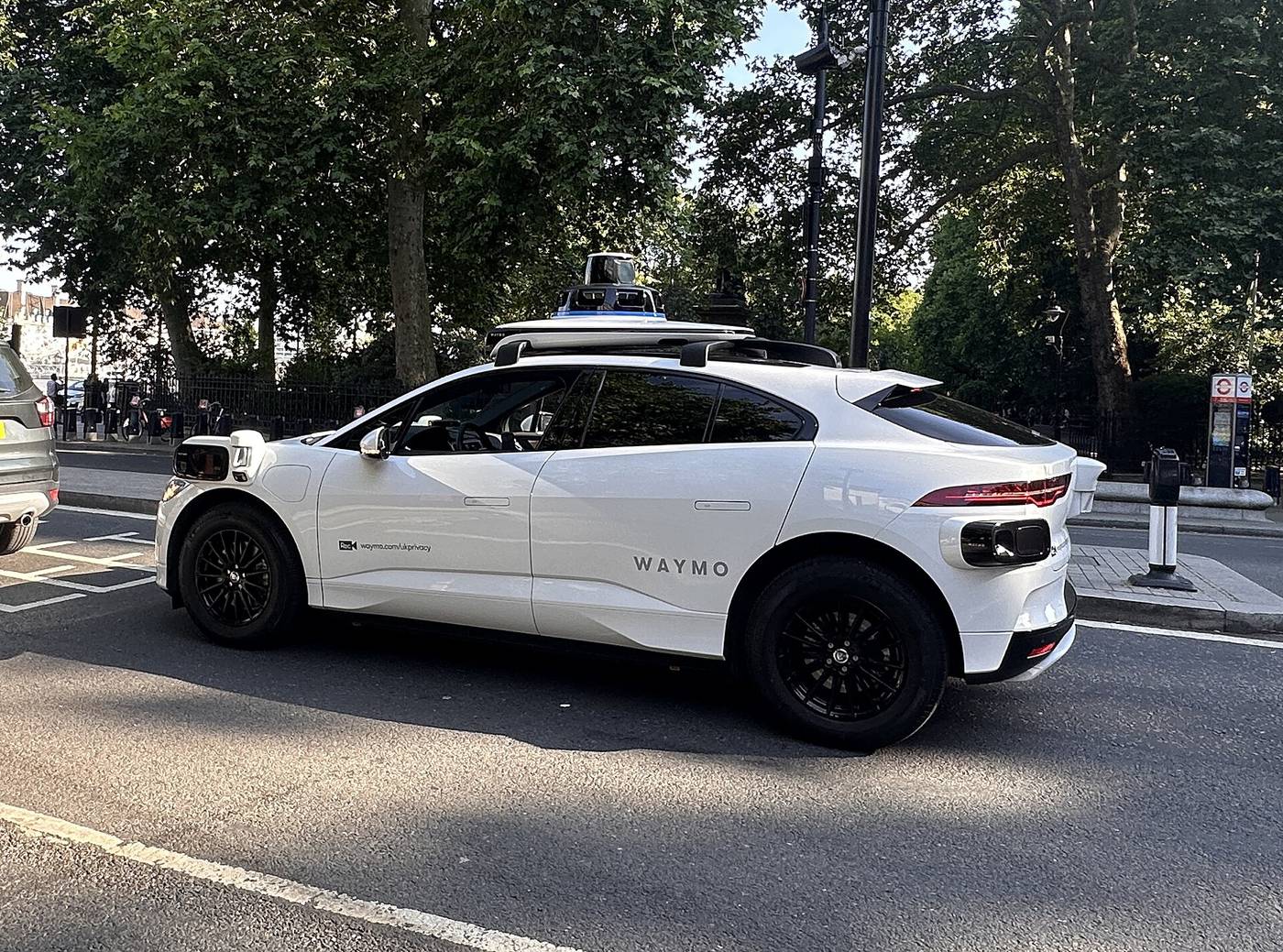
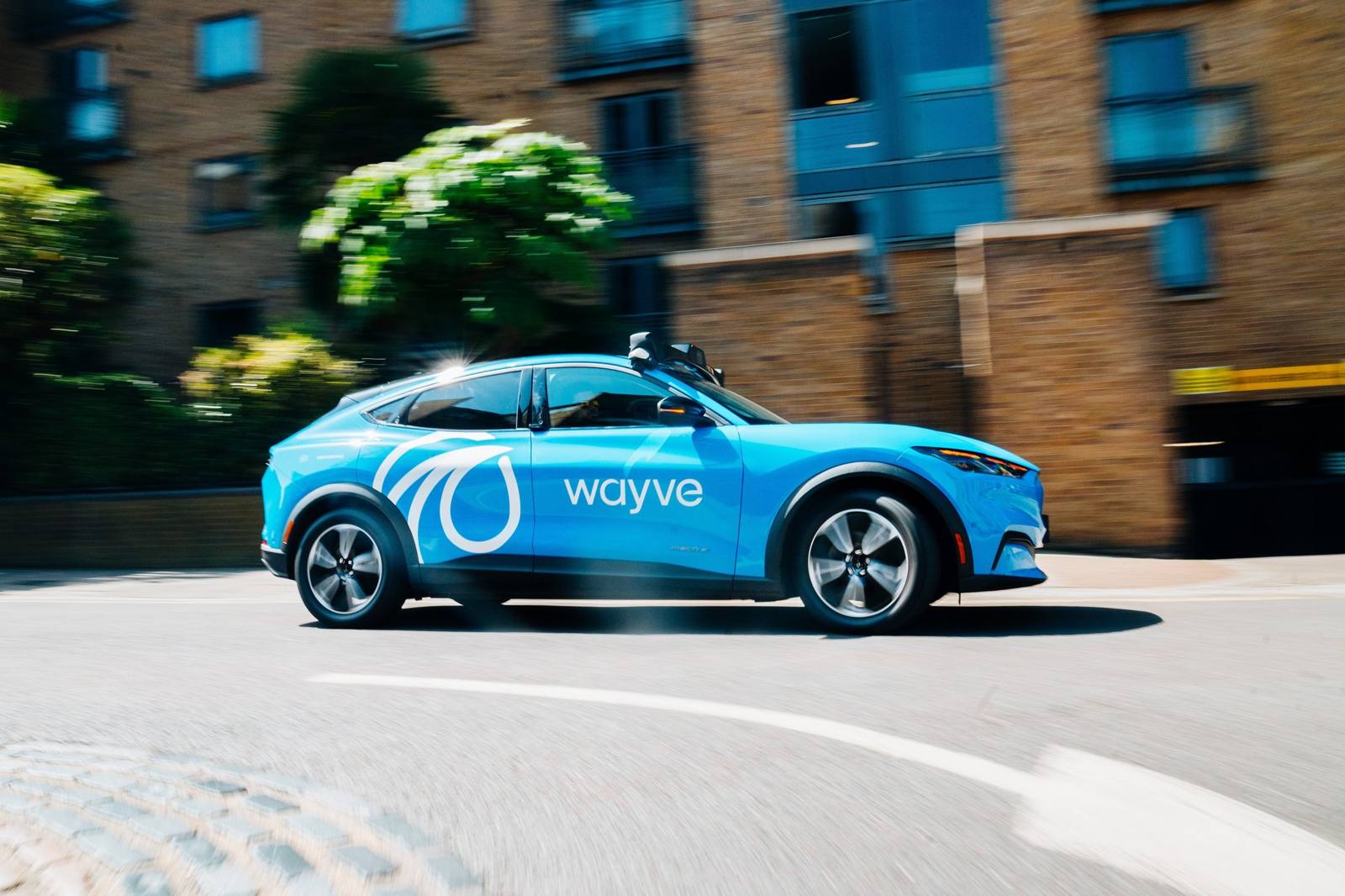
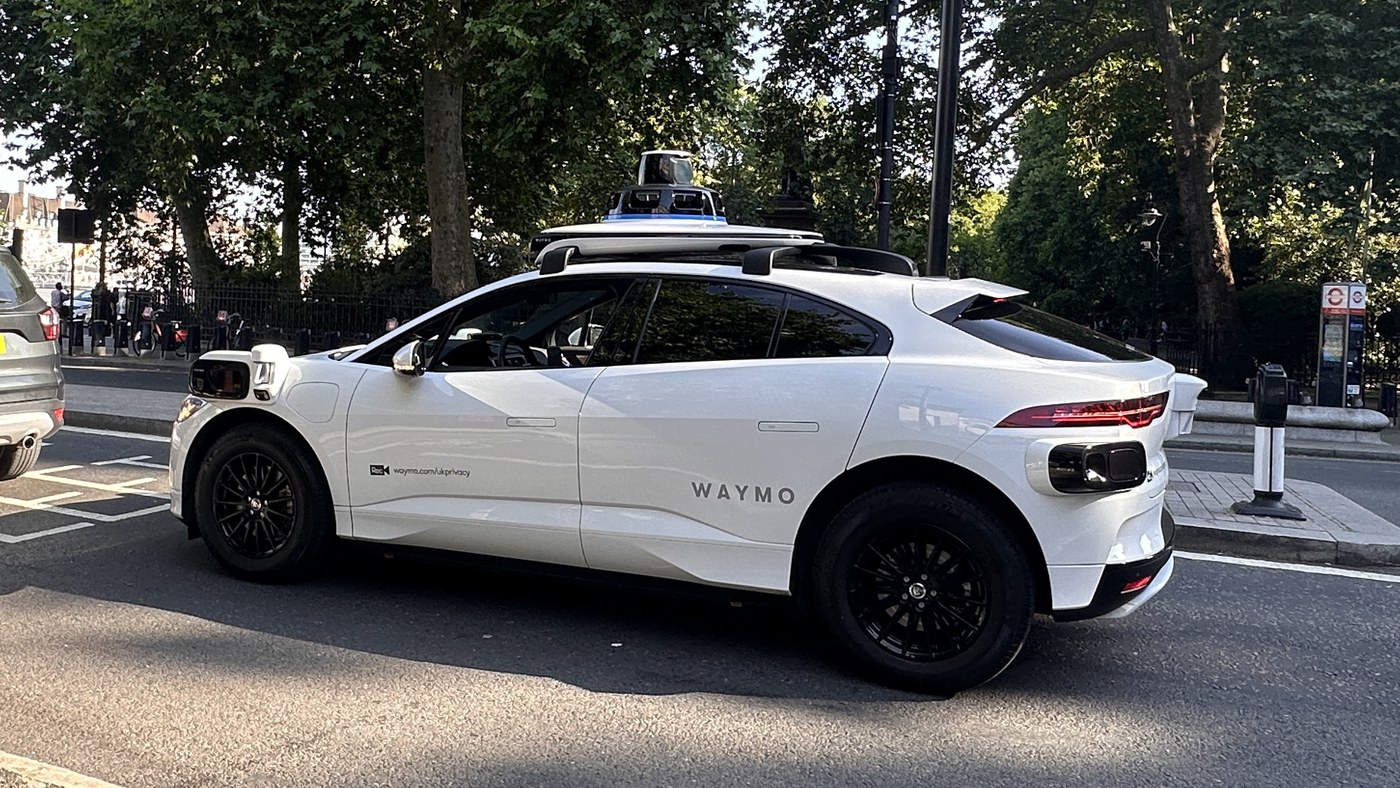
He said big questions had not been answered about what robotaxis would mean for air quality, for congestion and for people who earn their living driving private hire vehicles or black cabs. Drivers' unions have protested in recent weeks at the London headquarters of Wayve and Waymo, The Guardian reported.
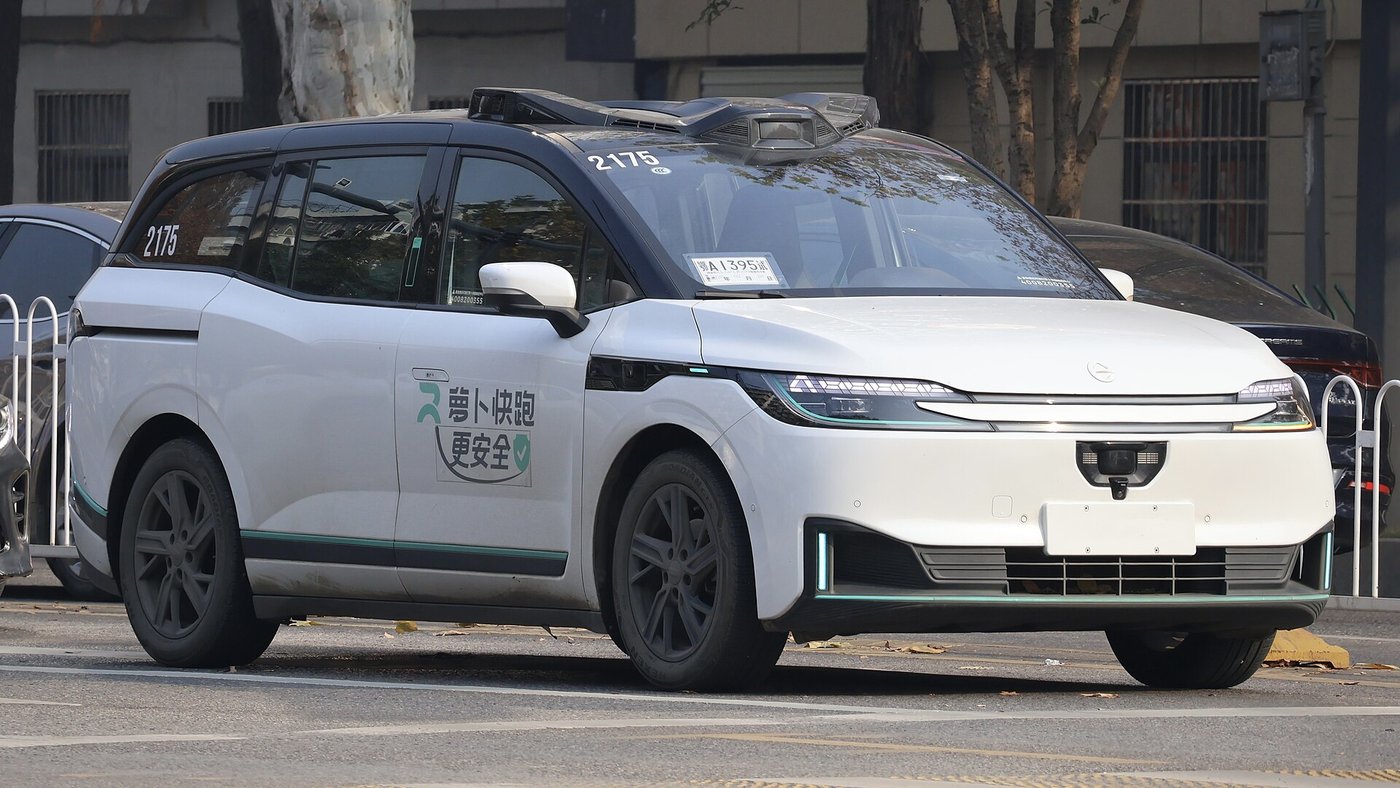
The mayor spoke after Freenow by Lyft showed off the Baidu Apollo Go robotaxis it is testing in the city. About 24 of the vehicles are on the road in the borough of Brent, and Freenow hopes to launch fully driverless rides as early as next year under the national licensing scheme. Uber began offering rides in Wayve's self-driving cars in September, with a safety driver in the front seat, under a TfL license. Waymo is also focusing on London.
Danny O'Gorman, Freenow's general manager for Britain and Ireland, told The Guardian that the national framework was "great news for us to really invest in the market. But in terms of how it's going to be regulated, once the service is up and running, that's something that still needs to be ironed out." He said the company was working closely with TfL and wanted to do things the right way, and that many displaced taxi drivers could find remote operating and servicing jobs at a purpose-built depot Freenow plans in Britain.
Mr. Khan's call echoes a London Assembly Transport Committee report last month that asked ministers to let TfL issue, attach conditions to and withdraw permits for driverless taxi services.