Private Hire Path: Wayve and Uber Open London's First Autonomous Rides With Drivers Still Onboard
Uber and Wayve began offering supervised autonomous rides in London in early September, matching paying passengers to Wayve-driven Mach-E vehicles with a licensed private hire driver still in every seat.
Sam Okonkwo, Robotaxi · Sept. 20, 2026 · 5 min
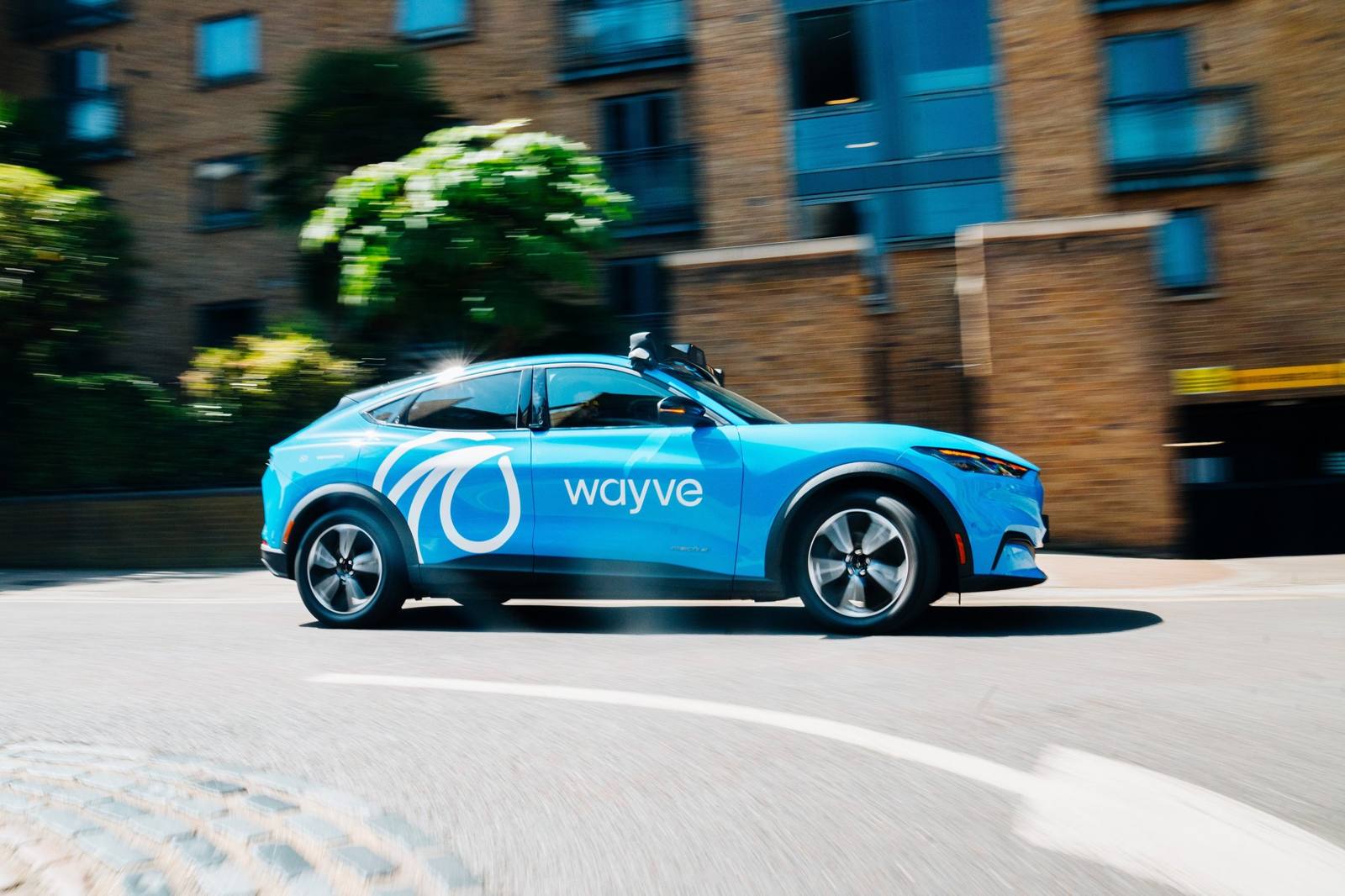
LONDON - Uber and Wayve began offering supervised autonomous rides to the public in London in early September, the first time paying passengers in the United Kingdom could book an AV trip through Uber, with a Transport for London-licensed private hire driver still legally required in every seat.
Riders requesting UberX, Uber Electric or Uber Comfort can be matched to an all-electric Ford Mustang Mach-E running Wayve's AI Driver at no extra fare. Matched riders can accept the AV or switch to a conventional car before it arrives. Uber said more than 140,000 Londoners had already opted in through Ride Preferences. The initial fleet is small, about 15 vehicles, covering Greater London except airports.
The companies launched on private hire vehicle plates rather than Britain's newer Automated Passenger Services permit path. Under the PHV route, a trained TfL-licensed driver must occupy the driver's seat, stay ready to intervene and remain legally responsible for the journey even while software is driving. Part 5 of the Automated Vehicles Act 2024 and the APS regulations, in force since mid-May, allow trials with or without a safety driver, but no London operator had completed even stage one of that DVSA process when Wayve and Uber went live, The Next Web reported.
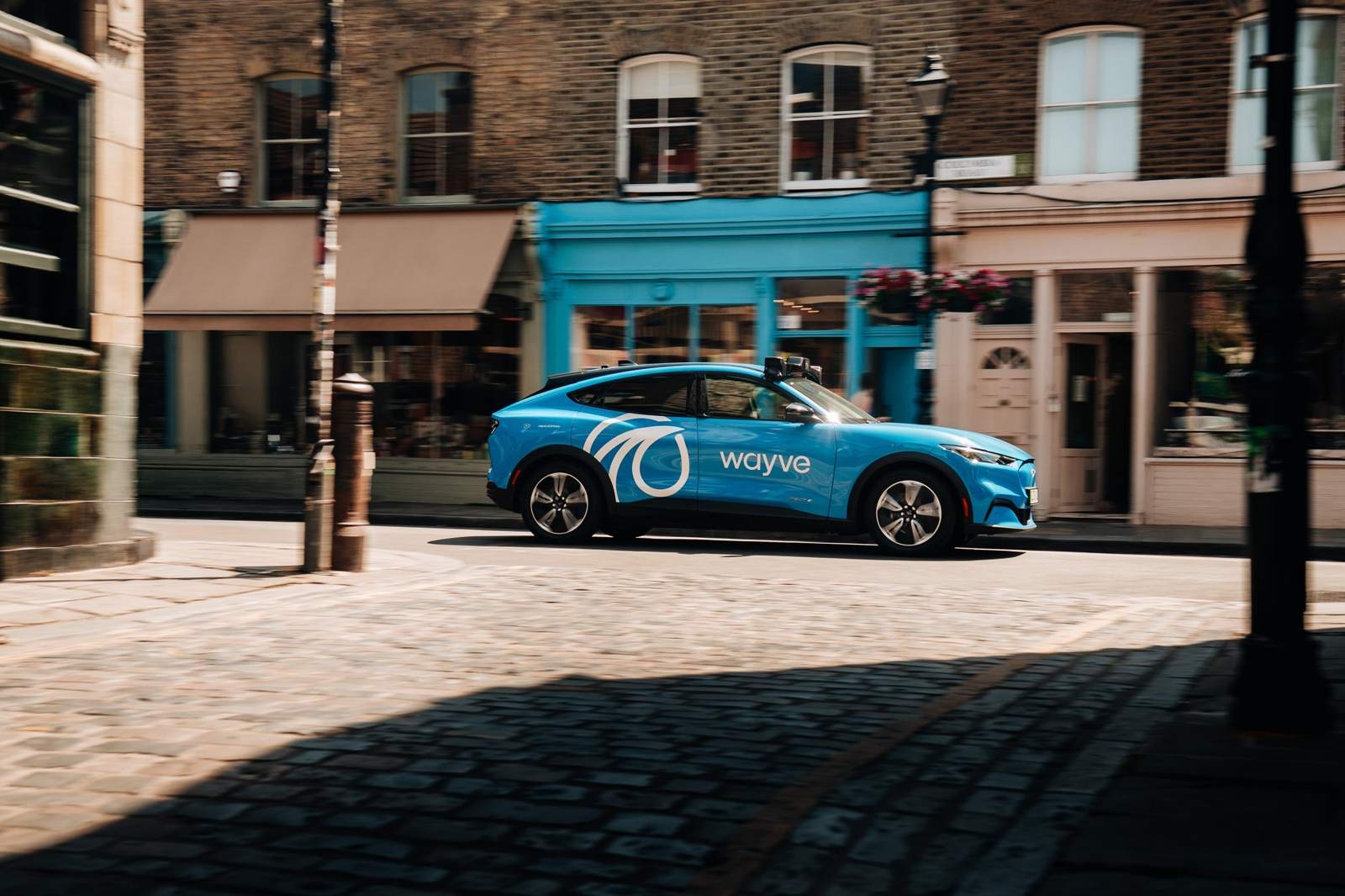
Wayve, founded and headquartered in London, frames the capital as both home market and stress test. Its "AV2.0" stack learns from experience rather than depending on traditional HD maps and hand-coded rules, a pitch the company has used to justify training on London's roads since 2018 and a broader international plan with Uber. Chief executive Alex Kendall called London "one of the most complex driving environments in the world" in the launch statement.
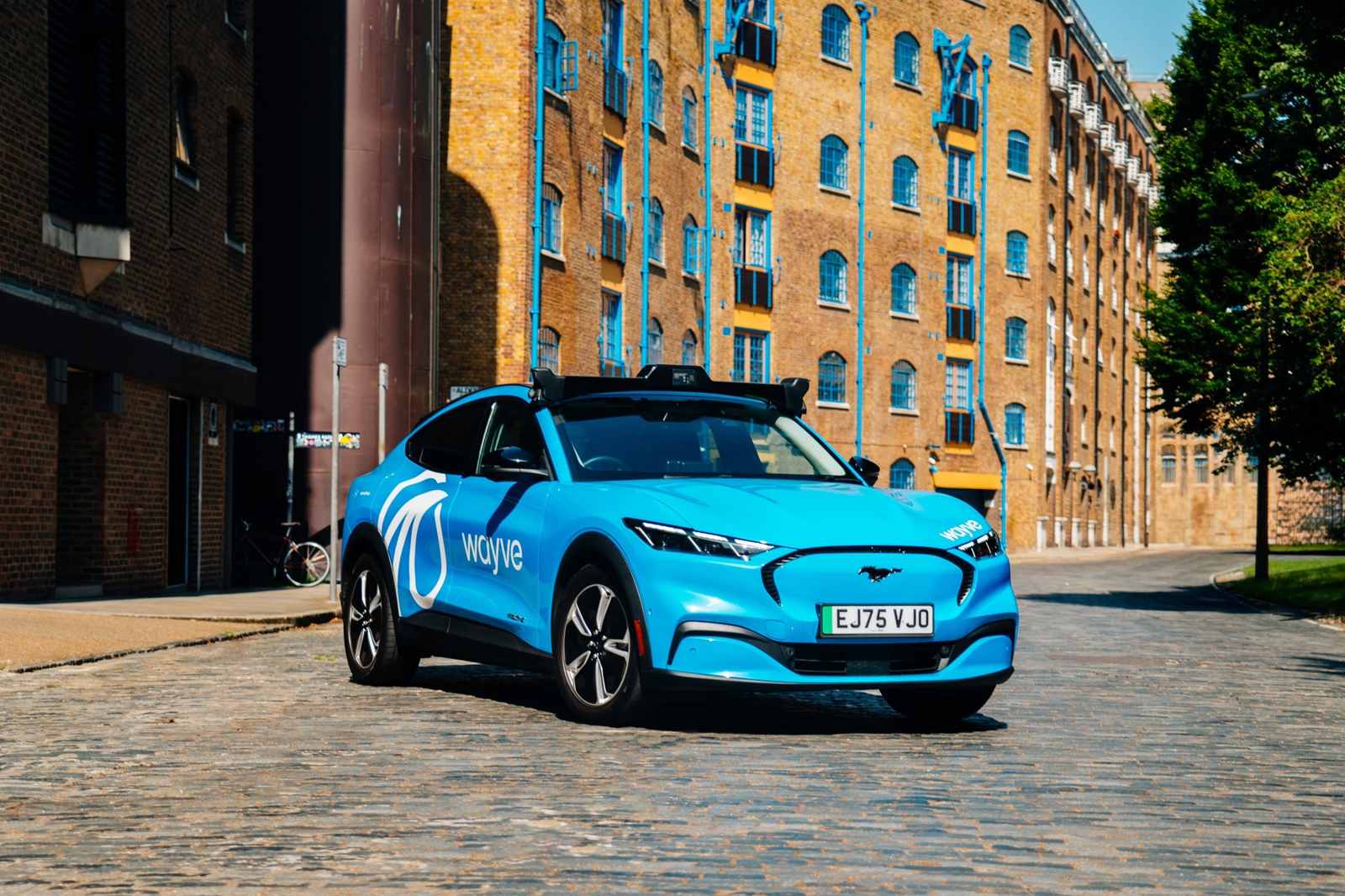
The supervised start is deliberate sequencing, not a verdict that the software cannot drive. It puts real passengers on real roads now and builds the operational record an APS application will eventually need. Fully driverless hire in London still waits on that permit track. Waymo has signalled interest in a London service that could aim for driverless from the start, which would require the APS route Wayve has not used. Uber's platform strategy assumes it can host whichever model regulators clear first.
Tokyo with Nissan is next on Wayve's public roadmap later this year, under a different regulator again. For now, London has a commercial autonomous ride-hailing product in the ordinary sense and a supervised one in the legal sense. The licensed driver in every car is the gap between those two descriptions.
Sources
Sam Okonkwo, Robotaxi. Sam Okonkwo is a senior correspondent covering robotaxis, fleet ops, and paid driverless service. Previously reported transport tech for trade titles; based in Austin.