Musk Predicts AI Will Drive 90% of Miles Within a Decade as Robotaxi Fleets Number in the Thousands
Elon Musk told a mobility conference in May that within a decade, driving your own car would be "quite a niche thing." Four months later, the clearest test of that forecast is playing out on streets like Austin's, where Waymo and Tesla robotaxis circulate with no one behind the wheel.
Analysis · By Sam Okonkwo, Robotaxi · Sept. 27, 2026 · 5 min
AUSTIN - Elon Musk told a mobility conference in May that within a decade, driving your own car would be "quite a niche thing." Four months later, the clearest test of that forecast is playing out on streets like Austin's, where Waymo and Tesla robotaxis circulate with no one behind the wheel. The growth is real. So is the distance still to cover.
Speaking by video link to the Smart Mobility Summit in Tel Aviv on May 18, Musk said: "Five years from now and certainly 10 years from now ... probably 90% of all distance driven will be driven by the AI in a self-driving car," according to Reuters. "So overwhelmingly, it'll be quite a niche thing in 10 years to actually be driving your own car." Reuters noted that many of his past autonomy predictions have not materialized on his timelines.
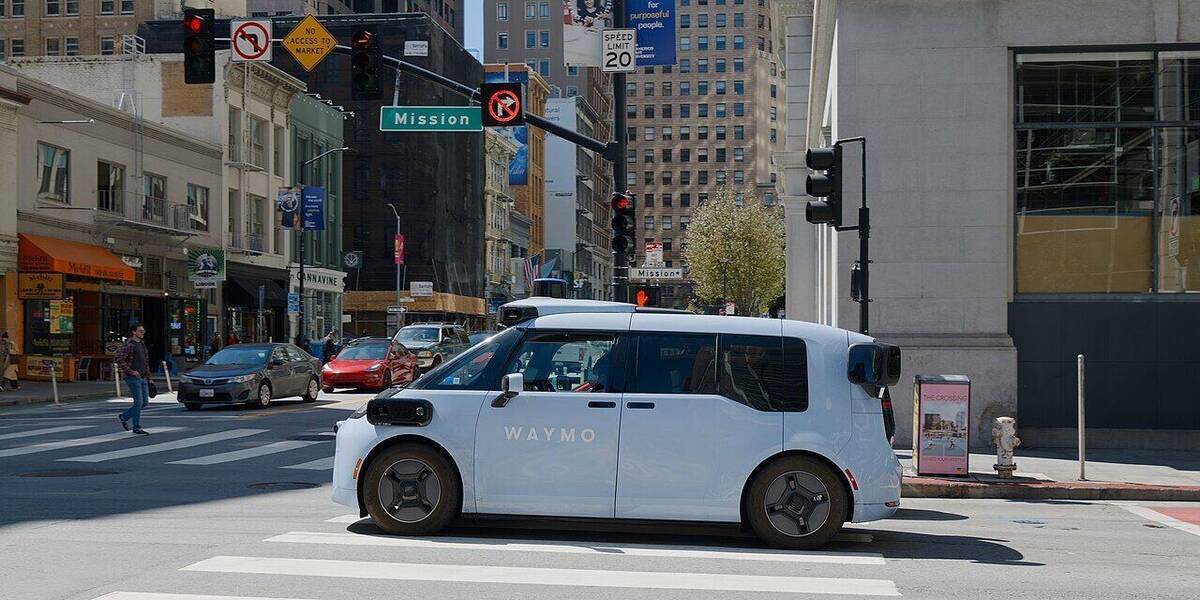
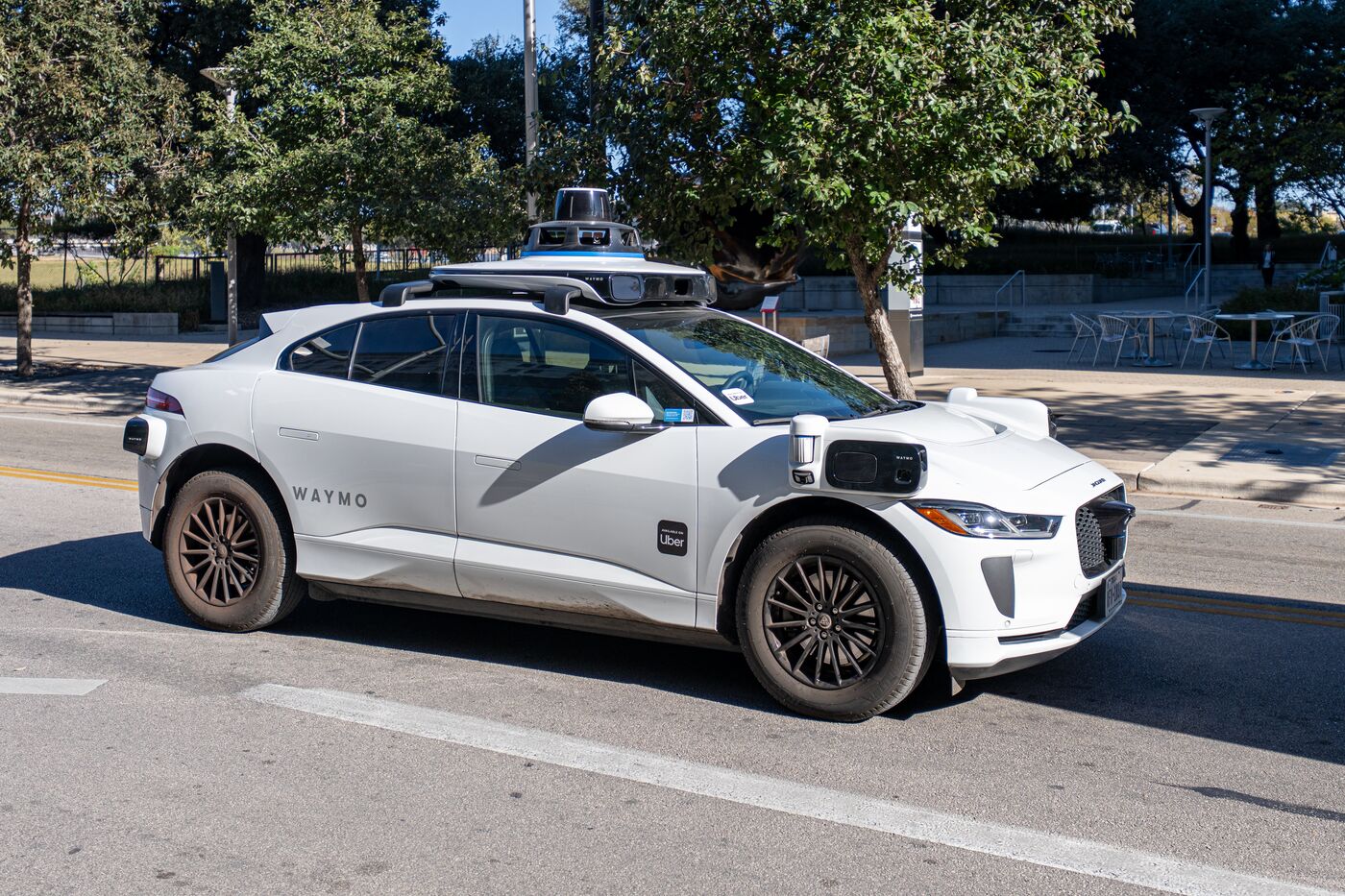
Measured against that forecast, the industry's front-runner is Waymo. The Alphabet-owned company offers robotaxi service in 15 U.S. cities, up from three in September 2024, and now averages 500,000 paid rides a week, TechCrunch reported on Sept. 24. About 80 percent of its roughly 4,000 vehicles are in California and Texas. Waymo had 1,102 autonomous vehicles registered in Texas as of Sept. 24, boosted by an influx of its new Ojai minivans, according to state records cited by TechCrunch. The research firm MoffettNathanson says Waymo is on track to import 5,100 of them by year's end.
The service is also reaching faster roads. On Sept. 23, Waymo began routing some Austin riders who book through Uber onto freeways, CBS Austin reported. Waymo says it has logged more than 1 million fully autonomous freeway miles with riders in Phoenix, San Francisco, Los Angeles and Miami. Driverless News covered the Austin rollout last week.
Those figures shrink beside American driving. Waymo's vehicles log roughly two million driverless miles a week, The Verge reported on Sept. 24, and the company counted 271 million driverless miles in five cities through June. Americans drove about 3.34 trillion vehicle miles in the 12 months through July, according to Federal Highway Administration data. A full year at Waymo's current weekly pace would equal about three thousandths of 1 percent of that total, and its entire five-city record through June amounts to less than an hour of the nation's driving, by a Driverless News calculation.
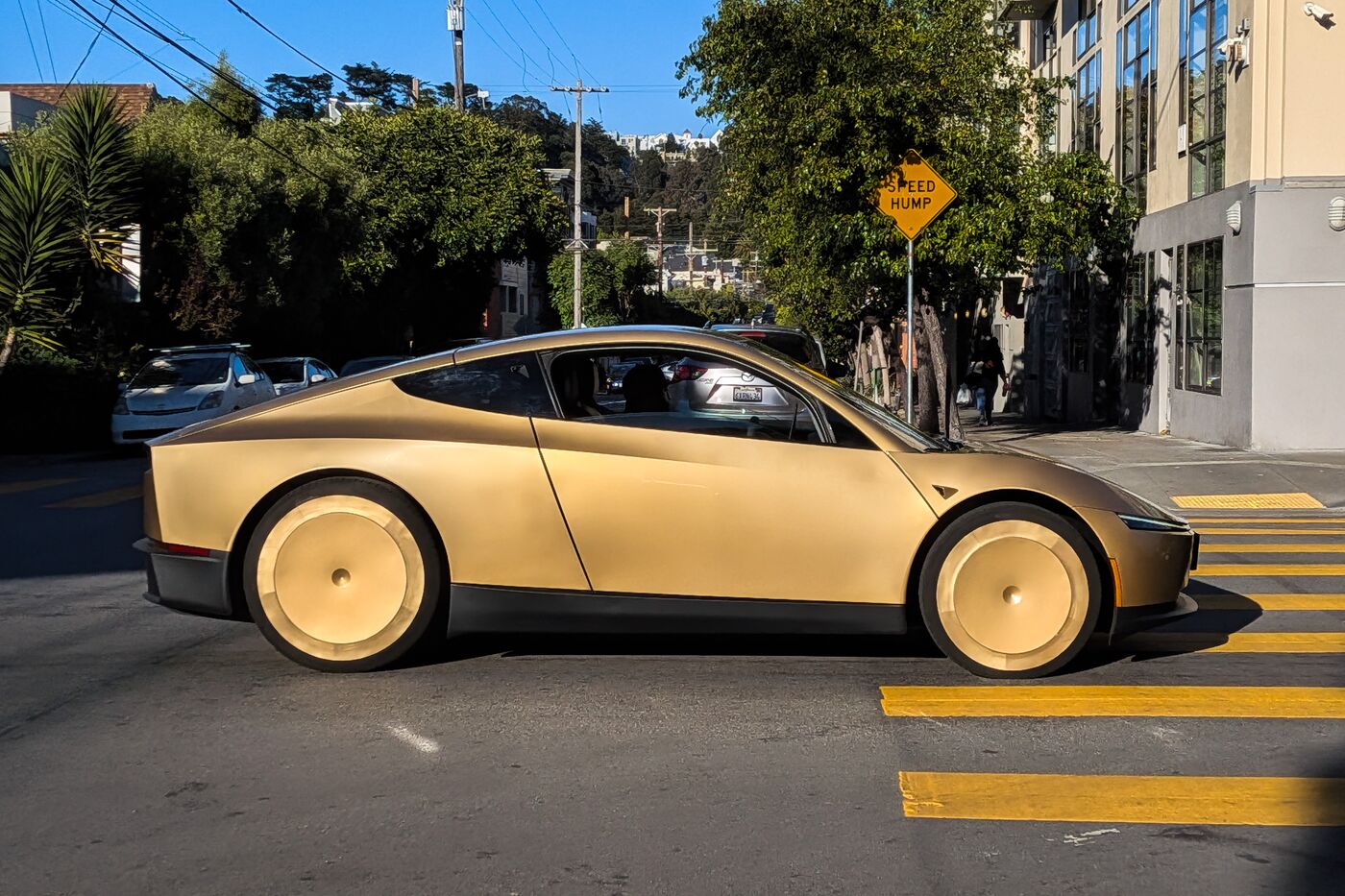
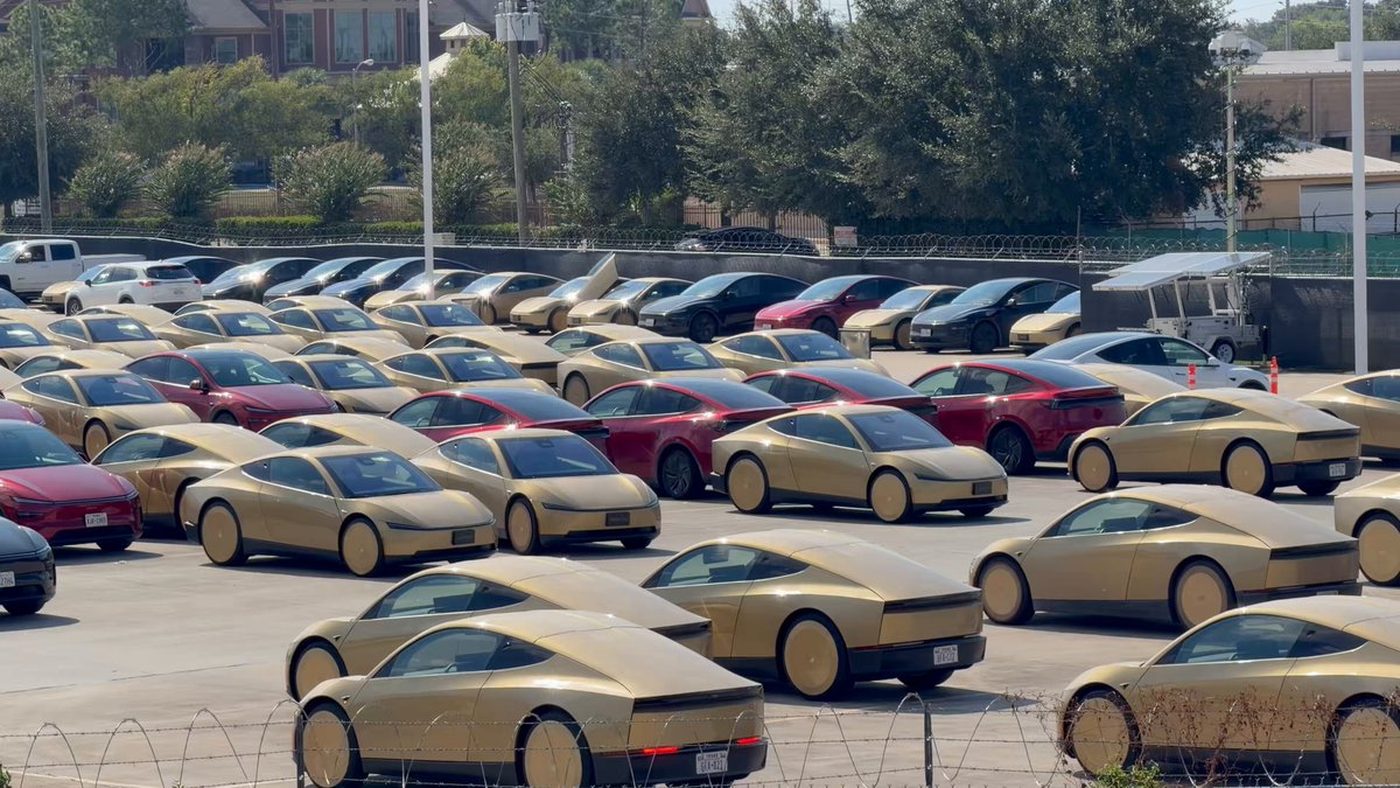
Tesla, whose chief made the forecast, is further back. The company's second-quarter update, released July 22, listed robotaxi service in seven metro areas: unsupervised operations ramping in Austin, Dallas, Houston, Miami, Orlando and Tampa, and a safety driver aboard in the San Francisco Bay Area. Phoenix and Las Vegas were listed as "preparations underway." Tesla had 420 autonomous vehicles registered in Texas as of Sept. 2, including 45 Cybercabs, compared with Waymo's 988, and some of its Model Y robotaxis still carry human safety monitors, Reuters reported. Reuters reporters who tested the service earlier this year found long waits and sometimes no availability at all.
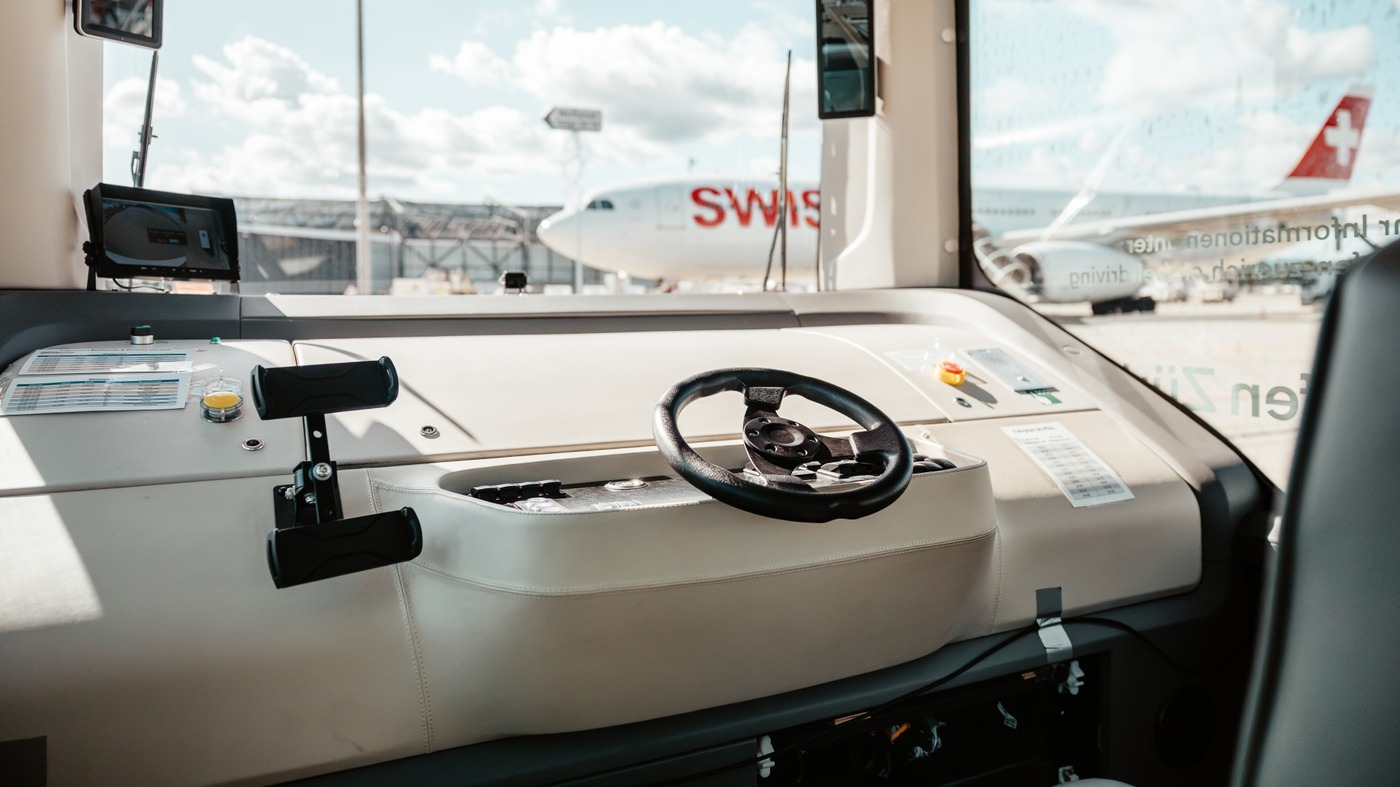
On Sept. 3, Tesla began offering rides in "limited areas of Austin" in the Cybercab, a two-seater with no steering wheel or pedals. Tesla said production began in April, though Musk cautioned then that initial production "will be very slow," Reuters reported. At the launch event, Tesla AI executive Ashok Elluswamy said the robotaxi fleet had reached 1 million unsupervised miles, up from 380,000 at the company's July 22 earnings call, Electrek reported.
The Cybercab also drew federal scrutiny. The National Highway Traffic Safety Administration opened audit query AQ26002 on Sept. 3 to examine how Tesla certified the vehicle as meeting federal safety standards written for cars with human controls, according to the agency's resume. On Sept. 10 it issued a Special Order with 21 requests, and Tesla's sworn answers are due Sept. 30, Electrek reported. Driverless News reported on the order this month.
In Las Vegas, Nevada regulators in August authorized Tesla to deploy up to 5,000 robotaxis in Clark County over the next year. Tesla's Cybercab chief engineer, Eric Early, told state regulators the company would be "extremely happy and satisfied if we could get ourselves up to 2,500, maybe a bit higher than that in the next year," TechCrunch reported. Driverless News found no announcement from Tesla of paid rides in Las Vegas as of Sunday.
Amazon's Zoox has about 100 robotaxis, built without steering wheels or pedals, across four U.S. cities and charges fares only in Las Vegas, TechCrunch reported on Sept. 17. A Nevada permit that capped Zoox at 100 vehicles in the state expired on Sept. 25. A federal exemption allows up to 2,500 a year; the data firm Robotaxi Tracker estimated more than 30 operating in the city. On the day the cap lapsed, an empty Zoox and a Nissan SUV collided on the Strip, and the SUV's driver was hospitalized with non-life-threatening injuries, the Nevada Highway Patrol said, according to the Las Vegas Review-Journal. Driverless News covered the crash on Saturday.
Outside the United States, the leading operators are also growing from a small base. Baidu said its Apollo Go service delivered about 1 million fully driverless rides in the second quarter and more than 23 million cumulative rides as of June, on its earnings call on Aug. 18, and that its footprint has reached 28 cities, according to its results release. Baidu said ride volume was temporarily affected by "operational adjustments in certain domestic cities due to regulatory considerations." Pony.ai reported a fleet of 1,975 robotaxis as of June 30 and a target of more than 3,500 by year's end.
Musk's forecast covers all driving, not just ride-hailing, and he framed it around people no longer driving their own cars. On that front, Tesla's own shareholder update says its consumer software, FSD (Supervised), requires active driver supervision and "does not make the vehicle autonomous."
History cuts both ways. In July 2025, Musk said Tesla's robotaxi network would be available to half the U.S. population by the end of that year, a prediction that did not pan out, Reuters noted. Waymo, meanwhile, went from three cities to 15 in two years. Both facts belong in any honest reading of the decade ahead.
The present is easier to measure: about half a million paid Waymo rides a week, a million unsupervised Tesla miles in total, and a federal deadline on Wednesday. Ten years is long enough for a great deal to change. On the evidence so far, it is too soon to say whether it is long enough for the change Musk describes.
Sources
- https://www.reuters.com/technology/elon-musk-expects-widespread-use-us-self-driving-cars-this-year-2026-05-18/
- https://techcrunch.com/2026/09/24/waymo-is-scaling-fast-heres-what-the-fleet-data-shows/
- https://cbsaustin.com/news/local/waymo-begins-offering-driverless-freeway-rides-in-austin
- https://www.theverge.com/transportation/999891/waymo-safety-data-injury-crash-human-driver
- https://fred.stlouisfed.org/series/M12MTVUSM227SFWA
- https://electrek.co/wp-content/uploads/sites/3/2026/07/TSLA-Q2-2026-Update.pdf
- https://www.reuters.com/business/autos-transportation/teslas-cybercab-event-set-thursday-with-few-details-2026-09-03/
- https://electrek.co/2026/09/03/tesla-announces-1-million-unsupervised-miles-driven-by-robotaxi/
- https://static.nhtsa.gov/odi/inv/2026/INOA-AQ26002-17078.pdf
- https://electrek.co/2026/09/15/nhtsa-tesla-cybercab-special-order-fmvss-certification/
- https://techcrunch.com/2026/09/14/waymo-opens-robotaxi-service-in-las-vegas/
- https://techcrunch.com/2026/09/17/amazon-owned-zooxs-100-robotaxi-limit-in-nevada-is-about-to-disappear/
- https://www.reviewjournal.com/local/local-las-vegas/zoox-autonomous-vehicle-involved-in-crash-on-las-vegas-strip-3891088/
- https://www.fox5vegas.com/2026/09/25/police-respond-crash-involving-zoox-vehicle-near-las-vegas-strip/
- https://www.theglobeandmail.com/investing/markets/markets-news/motley/3919003/baidu-bidu-q2-2026-earnings-call-transcript/
- https://ir.baidu.com/news-releases/news-release-details/baidu-announces-second-quarter-2026-results
- https://www.nasdaq.com/press-release/pony-ai-inc-reports-second-quarter-2026-financial-results-total-revenues-688-yoy-us
Sam Okonkwo, Robotaxi. Sam Okonkwo is a senior correspondent covering robotaxis, fleet ops, and paid driverless service. Previously reported transport tech for trade titles; based in Austin.