Under Oath: NHTSA Orders Tesla to Prove Cybercab Is Legal to Sell
An audit query is a request. A Special Order is a legal demand. NHTSA has escalated its review of how Tesla certified a robotaxi with no steering wheel, pedals, or mirrors.
Priya Nair, Safety · Sept. 15, 2026
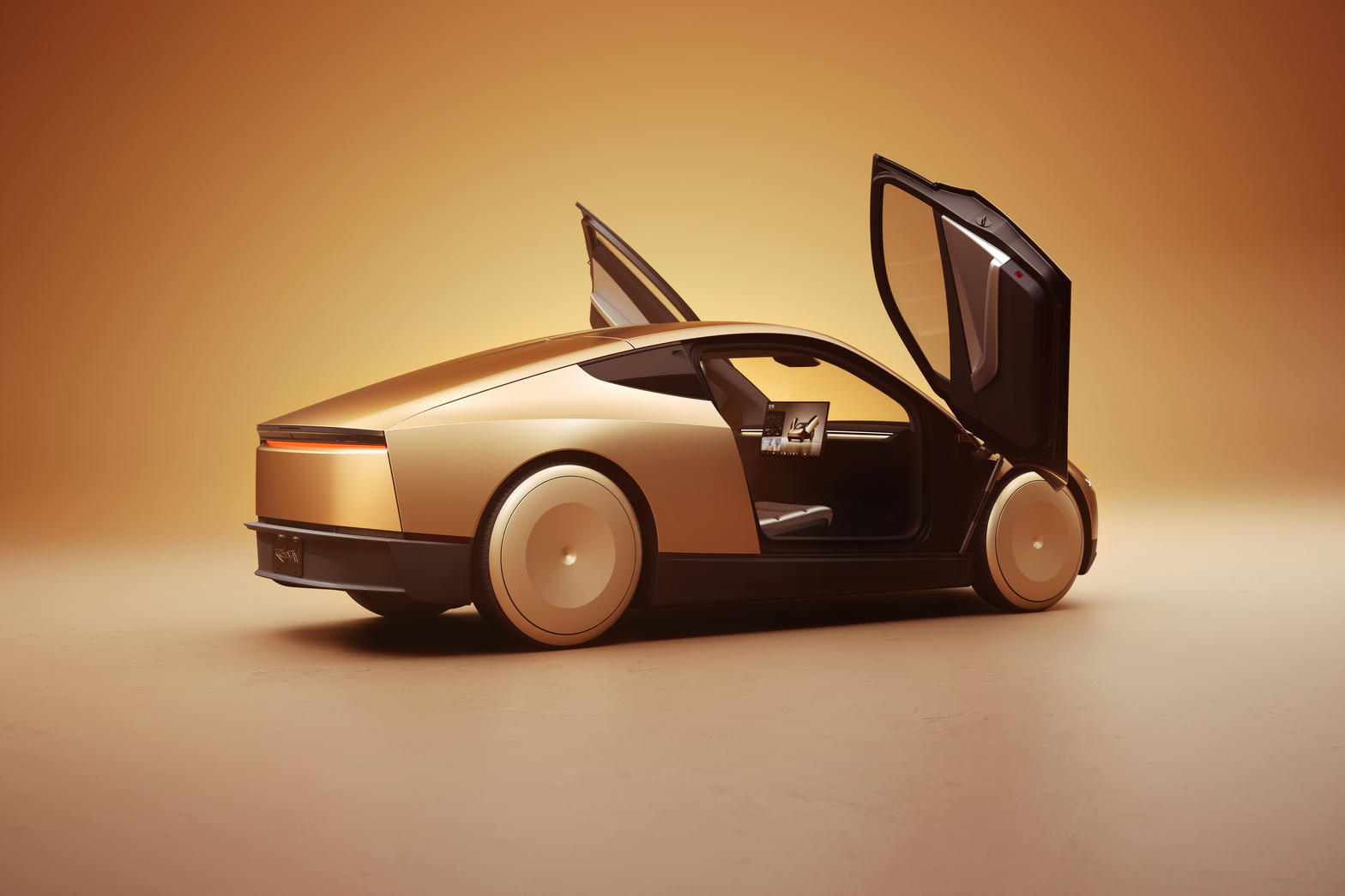
WASHINGTON - NHTSA has ordered Tesla to prove that its Cybercab is even legal to sell. The agency issued a formal Special Order on Sept. 10 demanding that the company show, under oath, how a vehicle with no steering wheel, no pedals, and no mirrors complies with federal safety standards written for human drivers.
Tesla has until Sept. 30 to respond. Failing to answer fully and truthfully carries penalties of up to $139 million.
The escalation tracks a paper trail that began the same day commercial Cybercab rides started. According to NHTSA's Audit Query resume for AQ26002, Tesla began commercial deployment of a small number of Cybercab vehicles in Austin, Texas, on Sept. 3, 2026, notified the agency that those vehicles were certified as compliant with all applicable FMVSS, and said it planned to expand to more vehicles and locations. The resume, opened Sept. 3 and prompted by public information, describes vehicles that lack permanently attached conventional manual controls such as a brake pedal, gas pedal, steering wheel, and mirrors. The estimated population listed on the resume is 1,000 vehicles. NHTSA said the audit would examine the process and technical data Tesla relied on when certifying the Cybercab, including whether certification depended on determinations that certain FMVSS do not apply.
An audit query is a request. A Special Order is a legal demand. Electrek reported that the order runs to 21 detailed requests, is signed by NHTSA Chief Counsel Peter Simshauser, and is addressed to Tesla's head of litigation and its associate general counsel for regulatory affairs. Tesla's response must be signed under oath by a responsible officer. Electrek noted that falsifying or withholding information can bring criminal penalties, including a fine or up to 15 years in prison.
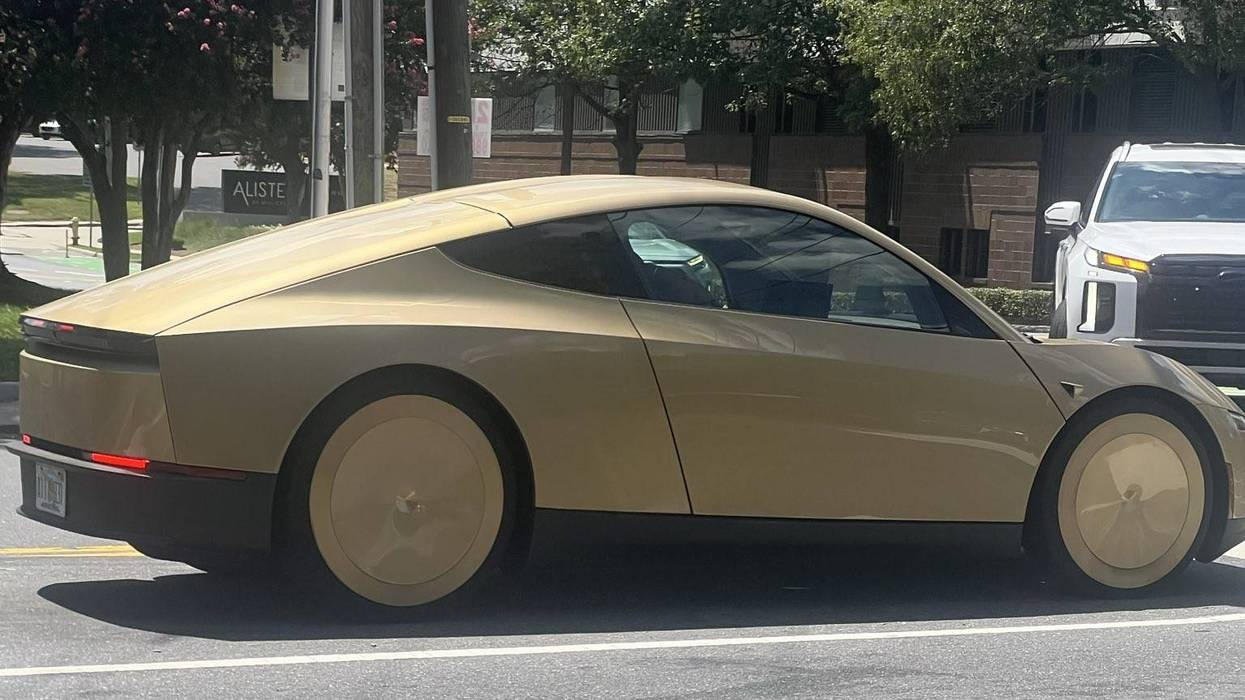
In the United States, automakers self-certify that their vehicles comply with all applicable Federal Motor Vehicle Safety Standards, and NHTSA checks after the fact. Tesla certified the Cybercab as compliant with every applicable FMVSS. Most of those standards assume a driver. NHTSA quotes the law back at Tesla in the order: a person may not issue that certification if, in exercising reasonable care, the person has reason to know the certificate is false or misleading in a material respect.
A person may not issue that certification if, in exercising reasonable care, the person has reason to know the certificate is false or misleading in a material respect.
Request 10 presses Tesla on which standards it thinks do not apply to a car with no driver, on the theory that rules written for human-operated vehicles were never meant for one that handles the entire driving task itself. Until those rules are formally rewritten, NHTSA says they still apply, and inapplicable is not a box a manufacturer gets to check for itself.
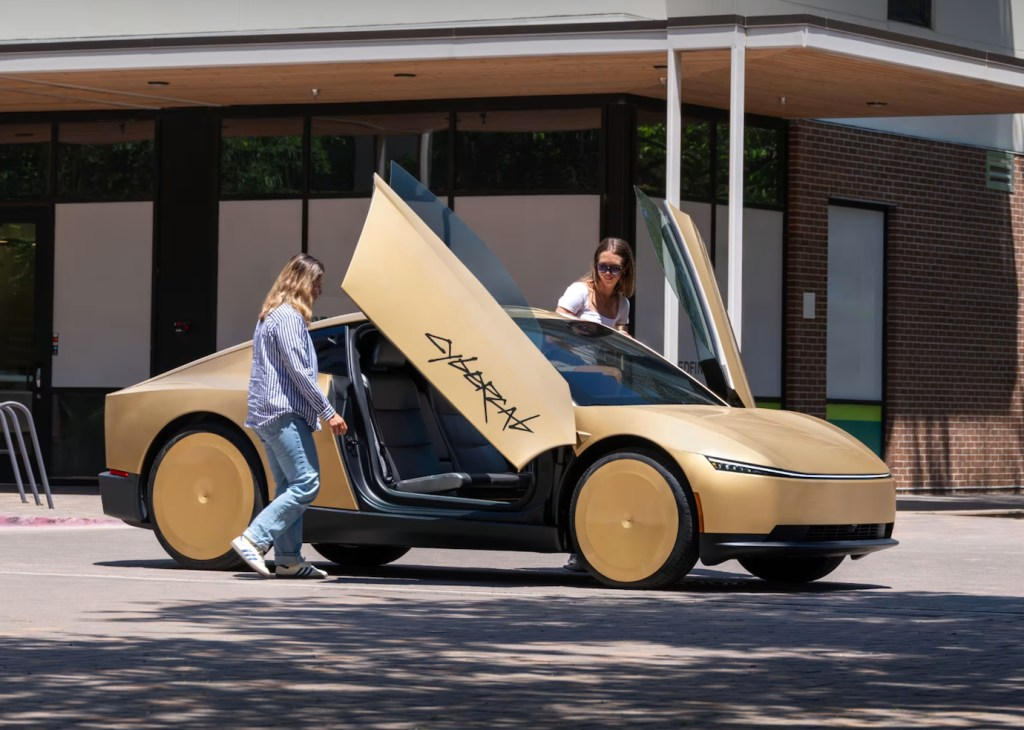
Request 19 is the sharpest. FMVSS No. 135 says the service brakes shall be activated by means of a foot control. The Cybercab has no foot control. NHTSA notes it has publicly stated that a manufacturer of a vehicle without a foot-activated service brake could not certify to that standard, then asks Tesla to explain, in detail, how it did exactly that.
The service brakes shall be activated by means of a foot control.
NHTSA proposed rewriting that foot-brake rule for automated vehicles in June. A proposal is not law. Until it is finalized, the foot-control requirement still applies.
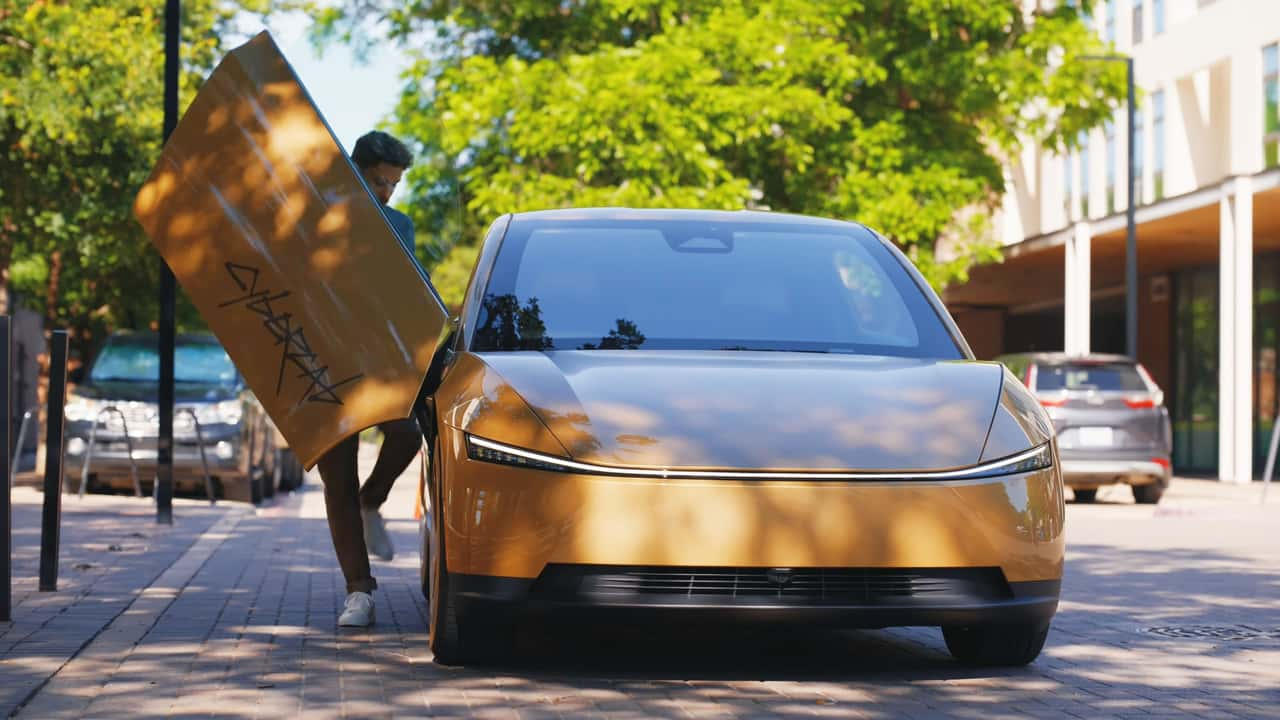
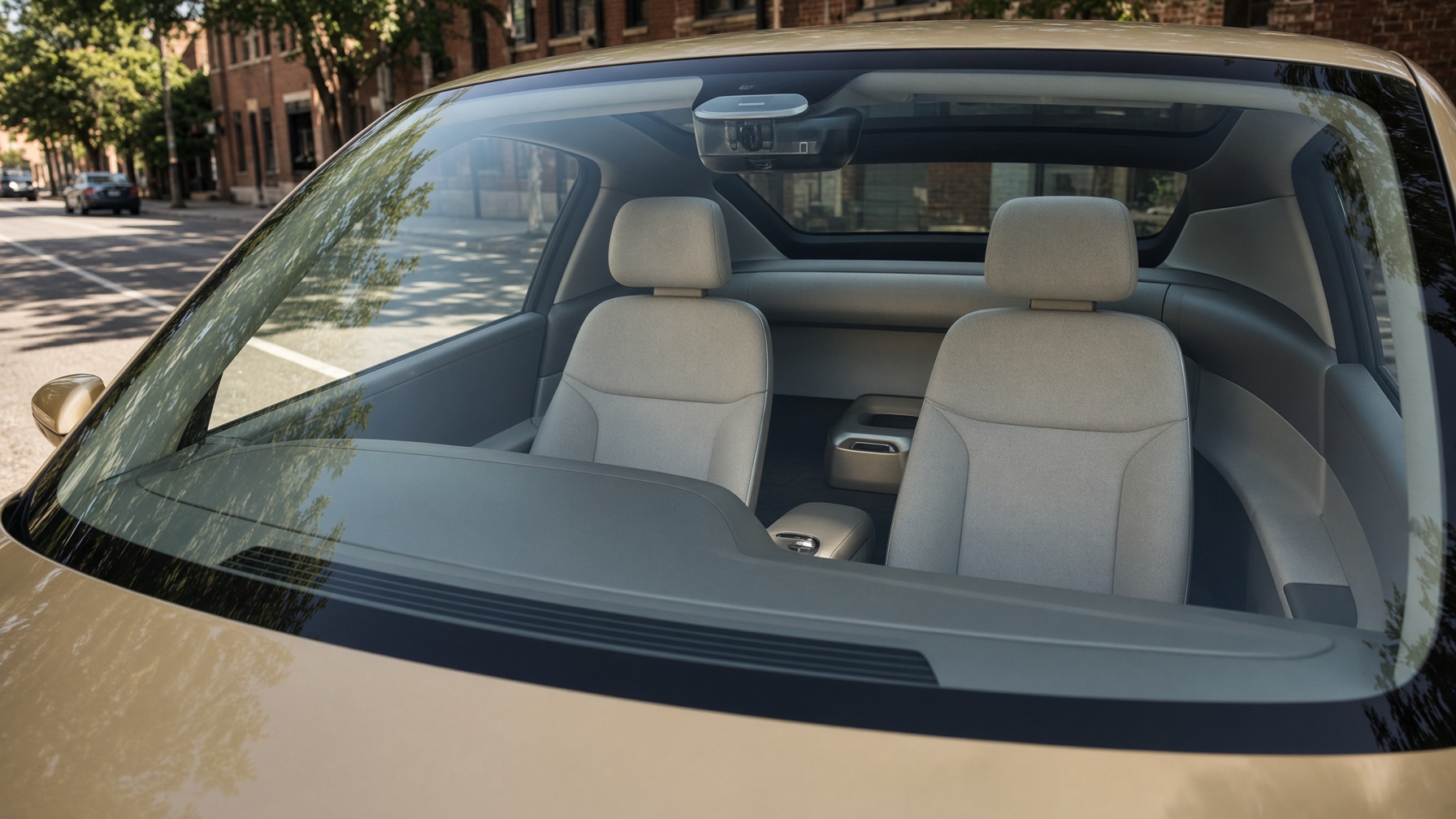
A cluster of requests targets whether the Cybercab can be driven by a human using temporarily attached controls, and whether Tesla leaned on those temporary controls to certify compliance. If it did, NHTSA wants to know how stripping them back out squares with the Safety Act's make inoperative prohibition. The order defines its subject vehicles as those lacking permanently attached, conventional manual controls: brake pedal, accelerator, steering wheel, mirrors, and telltales.
The rest of the requests walk through standards a car without a driver's seat starts to fail: FMVSS 101 on controls and telltales, 102 on shift-position display, 108 on turn signals that self-cancel by steering-wheel rotation, 111 on mirrors and rearview images, and 126 on stability-control telltales.
The last request points to NHTSA's 2022 rule, which stated that further FMVSS changes would likely be necessary before a vehicle operated solely by an automated driving system could be manufactured for sale, unless the automaker holds an exemption under Part 555. Tesla does not have a Part 555 exemption. NHTSA is asking how the Cybercab is legal to sell without one.
In July, NHTSA granted Amazon's Zoox a temporary Part 555 exemption covering eight federal standards, including the foot-brake rule (No. 135) and the mirror rules (No. 111). The exemption lets Zoox charge for rides in its no-controls pods, caps it at 2,500 vehicles a year, and runs through 2028. Tesla certified the Cybercab as already compliant and started charging for rides on Sept. 3. No application, no exemption, no cap.
Priya Nair covers safety, regulation, and vehicle performance for Driverless News.