NHTSA Opens Audit of Tesla Cybercab Self-Certification
The U.S. safety regulator is examining the process and technical data Tesla used to certify a robotaxi with no steering wheel or pedals, hours after commercial rides began in Austin.
Priya Nair, Safety
Photo: Tesla
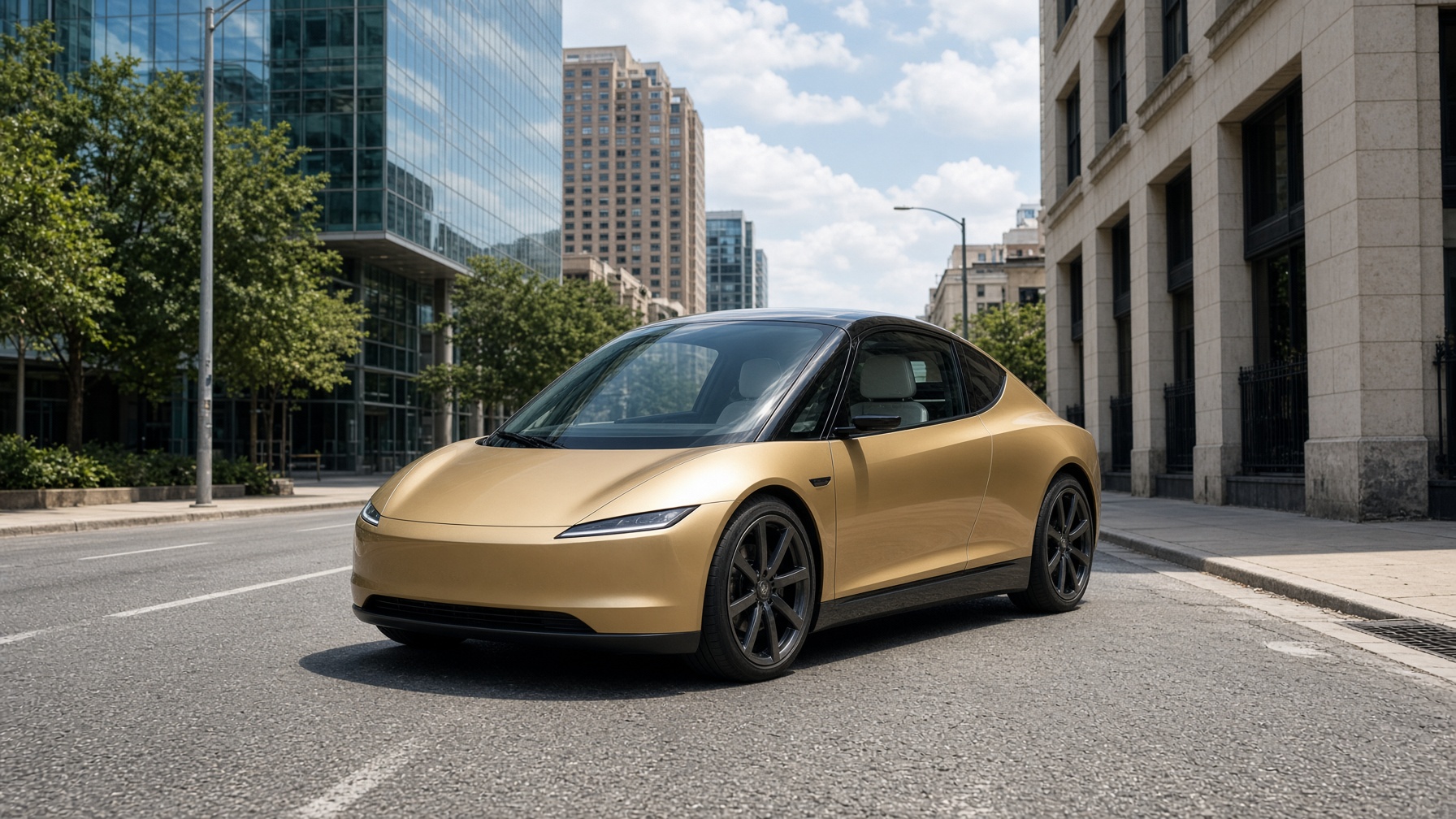
WASHINGTON — The National Highway Traffic Safety Administration said Friday it has opened an Audit Query into Tesla’s certification that the Cybercab meets all applicable Federal Motor Vehicle Safety Standards.
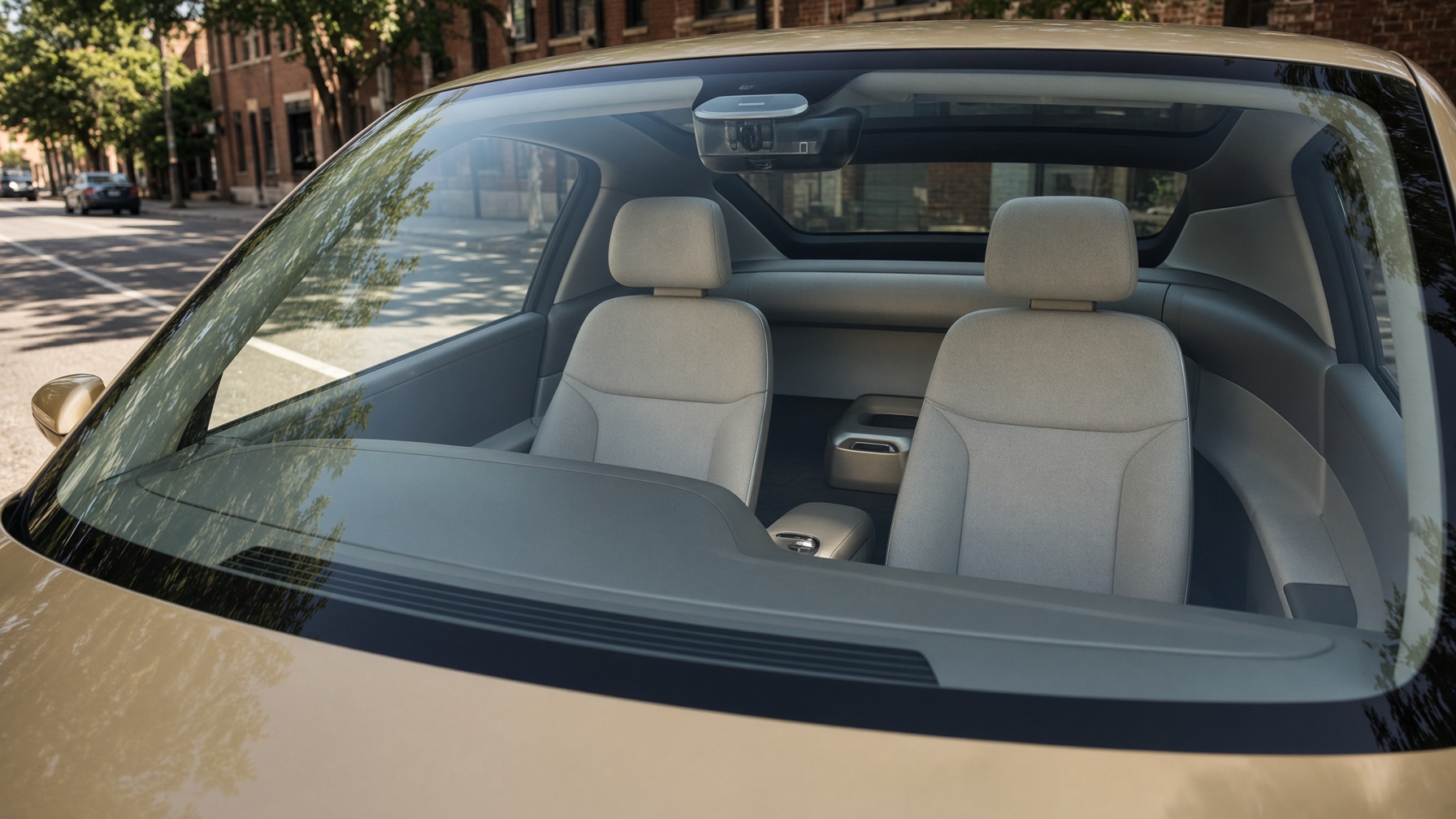
The action followed Tesla’s commercial deployment of driverless Cybercabs in Austin, Texas. Those vehicles have no steering wheel, pedals, or mirrors. Tesla told the agency it self-certified the Cybercab as compliant with FMVSS. Automakers in the United States typically self-certify; NHTSA retains authority to check the basis for those claims.
“NHTSA fully supports the safe development and deployment of automated vehicles. But as the federal regulator, we need to ensure that all of our laws are followed.”
The inquiry will examine the process and technical data Tesla relied on, including whether the company treated some standard FMVSS requirements as inapplicable to a vehicle designed without traditional human controls. Existing standards remain in force while the Department of Transportation’s work on rules for automated vehicles continues, NHTSA said.
There is a recent precedent: Amazon-owned Zoox self-certified its cube-like robotaxi, which also lacks a steering wheel and pedals, in 2022. Coverage of the Cybercab launch put the audit’s scope at an estimated 1,000 vehicles.
Priya Nair, Safety. Priya Nair is a senior correspondent covering AV safety, regulators, and investigations. Previously covered transport policy for national outlets; based in Washington.
Customers in Austin can now book the two-seat, steering-wheel-free Cybercab in Tesla’s Robotaxi app. Texas lists 45 of the vehicles against a much larger Model Y robotaxi fleet.
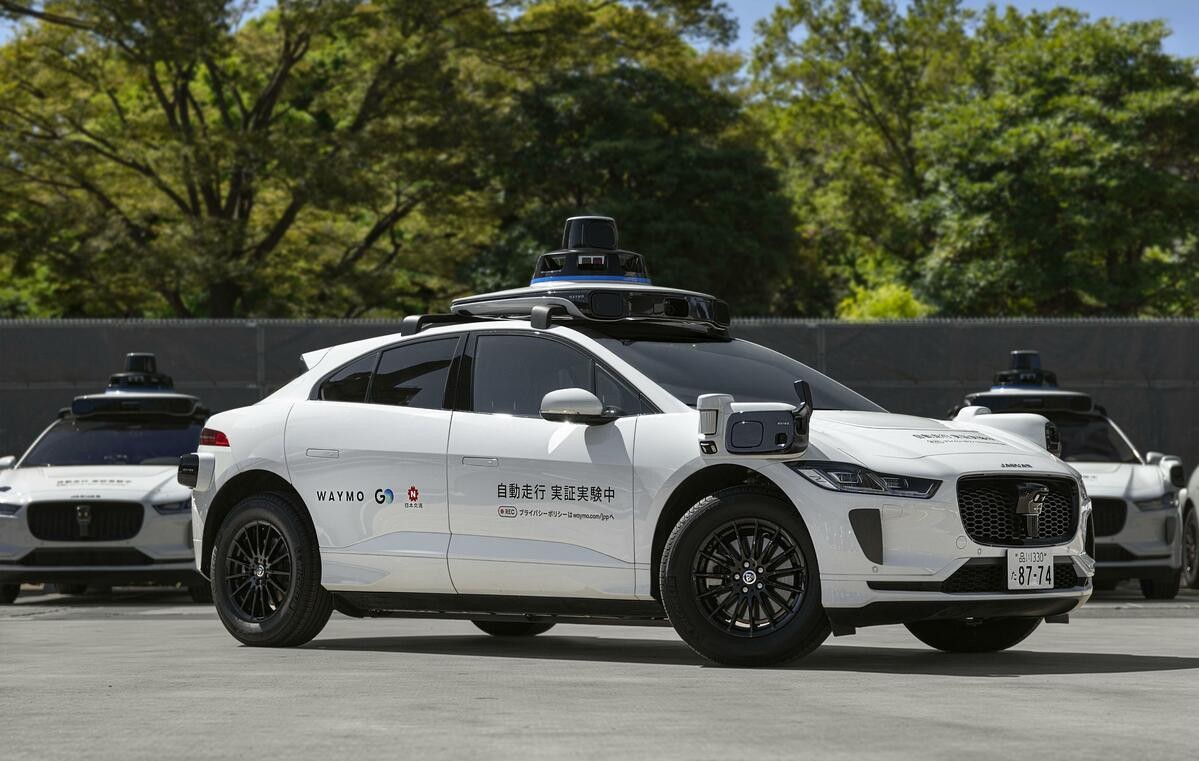
Alphabet’s Waymo, Japanese taxi-app operator GO, and taxi company Nihon Kotsu said they aim to launch Japan’s first fully autonomous commercial taxi service in Tokyo in 2027.
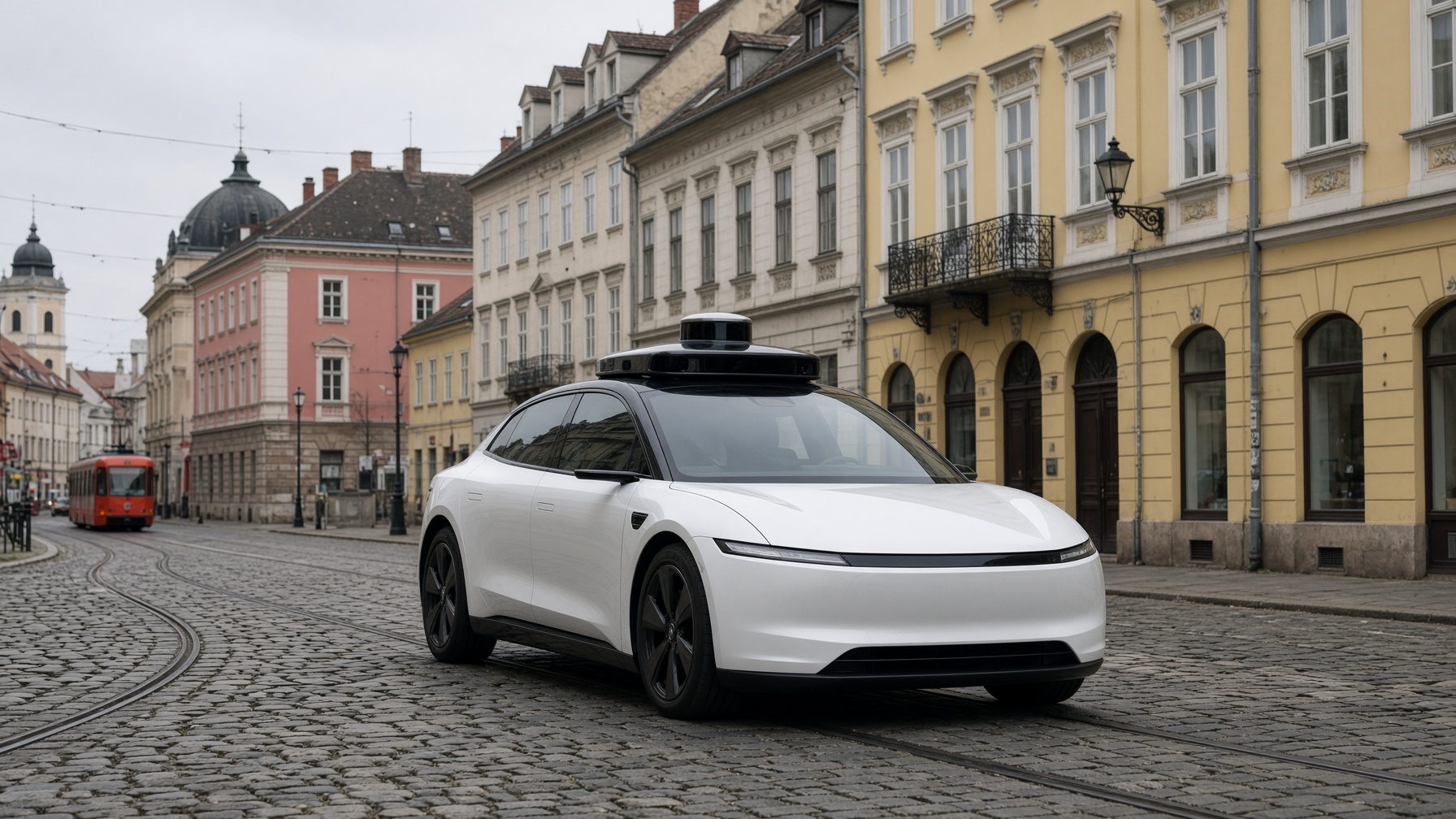
Invited passengers can take driver-out trips on a 22-kilometer public-road route in the Croatian capital, which Pony.ai called a European first for its joint-deployment model.