LONDON - A London Assembly committee has asked the British government to give Transport for London the power to license, set conditions on and cap driverless taxi services in the capital, saying it has not yet heard enough evidence that the city should welcome them at all. The report lands as Waymo, Wayve and Baidu prepare services that could make London the first European city with fully driverless taxis.
The Assembly's Transport Committee published the report, "Who's driving the future of autonomous transport in London?", on Sunday with 13 recommendations for ministers and TfL. "As it stands, we currently have not heard sufficient evidence to persuade us that London should welcome autonomous passenger services," the committee wrote. The Assembly scrutinizes the mayor and TfL, and its recommendations are not binding.
Under Britain's interim rules, a company that wants to run driverless taxis needs an Automated Passenger Services permit from the national Driver and Vehicle Standards Agency, a scheme that opened for applications in May. TfL licenses the city's black cabs and minicabs, but for these services it is only a consenting authority. It has six weeks to respond to a request, and if it stays silent or refuses without written reasons, consent is treated as given. It cannot attach conditions to a permit, and only the national agency can vary, suspend or withdraw one. No permits have been granted, and TfL told the committee in July that, as far as it knew, no applications had been submitted.
The committee wants that balance reversed. It says the current framework should be treated as transitional, and that when the government brings in full regulations under the Automated Vehicles Act 2024 in 2027, the power to issue and withdraw permits and to set conditions for operators in London should pass to TfL. It also asks ministers to let TfL cap the number of driverless vehicles each operator can deploy, including in different parts of the city. In the meantime, it wants a formal process for TfL to request that a permit be suspended, with the suspension taking effect immediately while the transport secretary decides.
The report sets a higher safety bar than the national standard, which asks automated vehicles to be at least as safe as a careful and competent human driver. TfL should instead require evidence that a service would help reduce road danger under the mayor's Vision Zero strategy, publish its criteria for consent and withhold consent when they are not met, the committee said. It also wants operators to report every crash and near miss within 24 hours, along with the vehicle's decision-making that led to the incident, and to report the miles their cars drive with no passenger aboard. The committee cited written evidence from the campaign group Clean Cities, which pointed to a 2026 study of about 14 million Waymo trips that found 46 percent of miles were driven without a passenger. Waymo told the committee that empty driving is not economical for the company.
Passengers and workers get attention too. The committee noted that the autonomous vehicles being tried in London are not wheelchair accessible, and asked that services be designed with disabled people. It wants remote assistants to be based in Britain and to pass background checks, a standard framework for how the cars deal with police, ambulance and fire crews, and a funded transition plan for taxi and private hire drivers who could lose work.
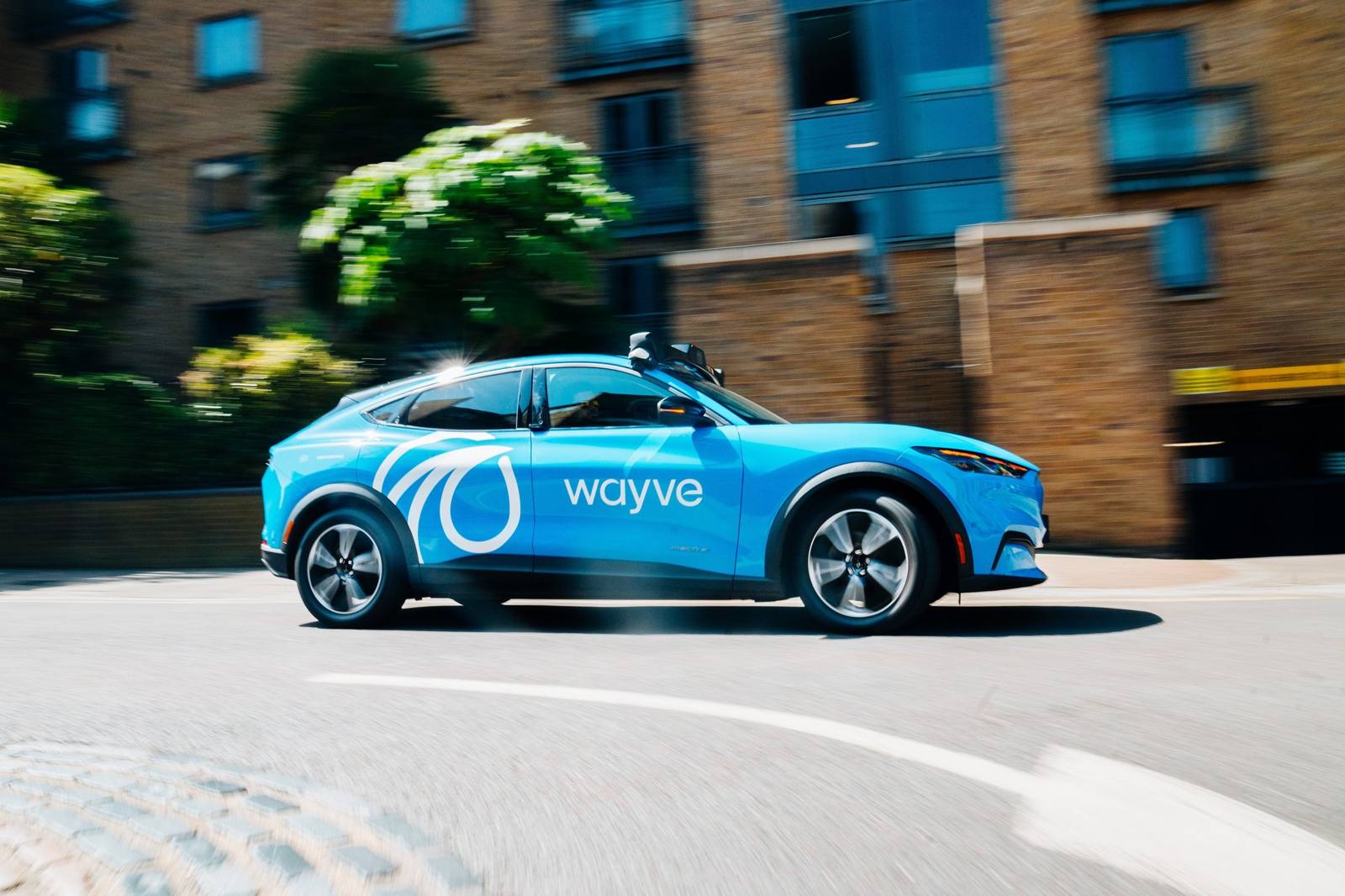
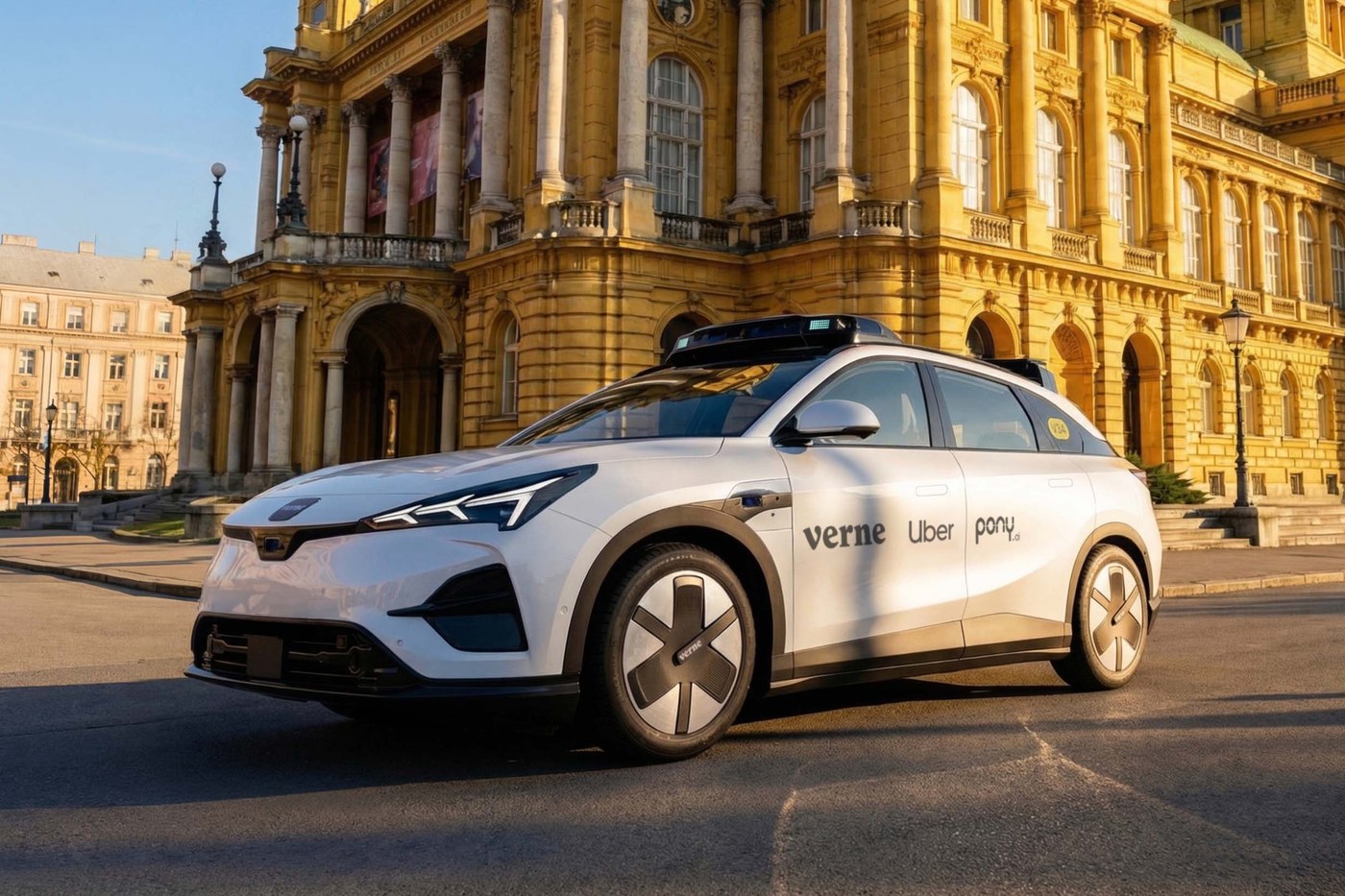
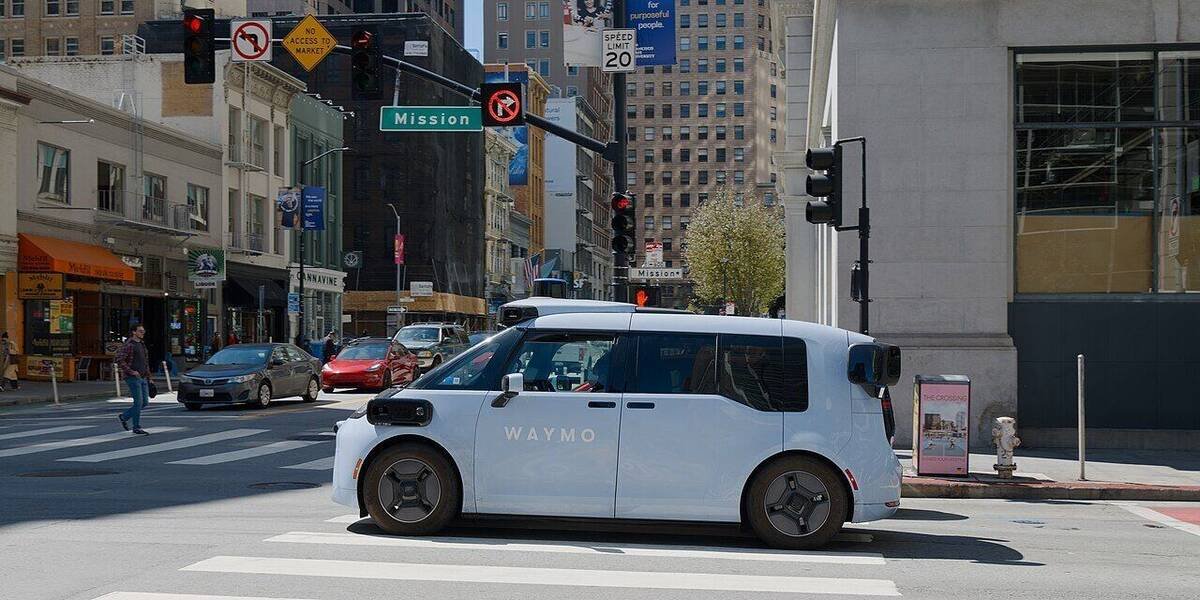
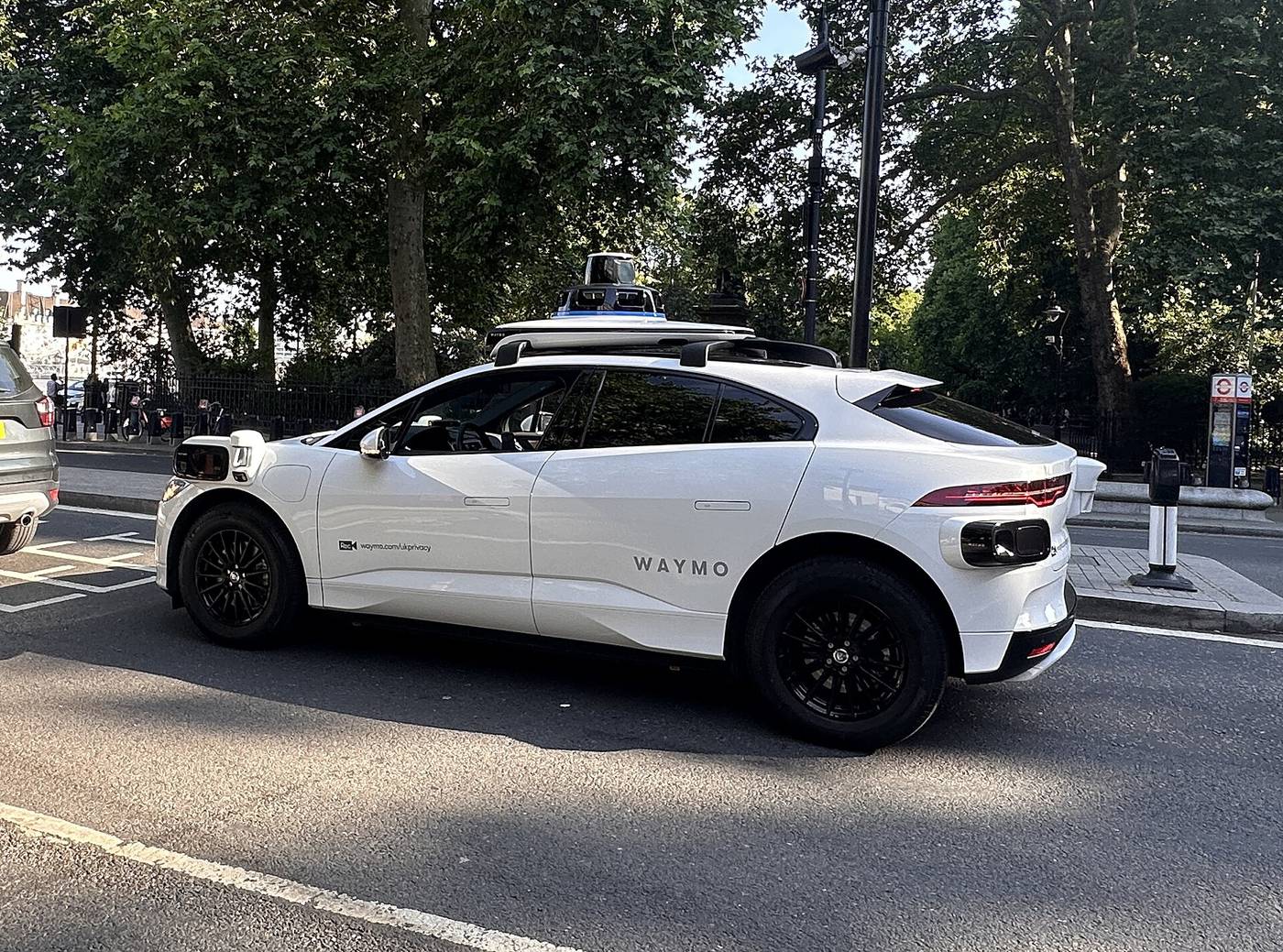
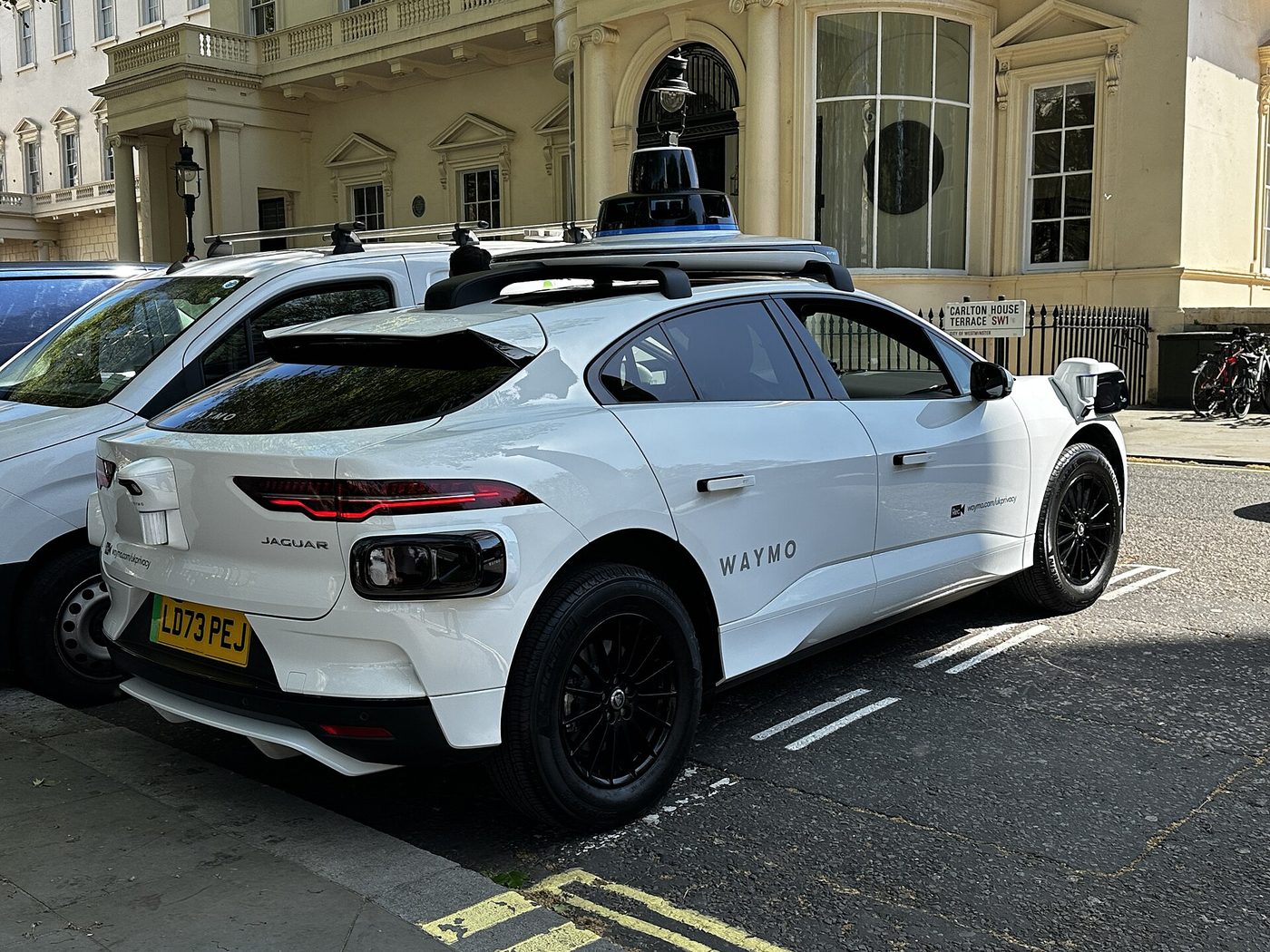
The operators are moving at different speeds. Waymo has been testing in London since April with a fleet of just under 100 vehicles and safety drivers behind the wheel. Ben Loewenstein, its head of policy and government affairs for Britain and Europe, told the committee that the company expects to offer "in the low hundreds" of vehicles for commercial bookings this year if it is granted a permit. Wayve and Uber hold a TfL private hire license for 15 vehicles fitted with Wayve's software, but a licensed driver stays legally in control. Freenow, owned by Lyft, began testing Baidu Apollo Go vehicles in the borough of Brent in July and told the committee it intends to launch passenger services in 2027. Pony.ai said last week that it would begin London road trials with Uber within weeks.
Londoners are wary. In a YouGov survey of more than 1,000 residents commissioned by the committee, 42 percent opposed the use of autonomous passenger vehicles in the capital and 29 percent supported it. "Driverless cars may offer convenience, but could also delay local buses, add pollution outside schools or snarl up a busy junction," Caroline Russell, the committee's chair, wrote in the report.
TfL is still writing its own guidance on when it would give consent. Christina Calderato, its director of strategy, told the committee in July that the guidelines would not be ready "for some time," adding, "I do not think we are in a rush to get [the guidelines] out." The Department for Transport has said the fuller national regulations are expected in the second half of 2027. In July, a department spokesperson told the BBC that permits for automated passenger services in London "cannot be issued without TfL's consent."
Oliver Lord, the U.K. director of Clean Cities, welcomed the report. "This is a refreshing perspective at a critical time given most of the hype and discussion on robotaxis has been led by industry so far," he said in comments published by The Standard. It is not yet clear whether ministers will hand TfL the powers the committee wants, or how TfL will treat the first permit requests when they arrive.