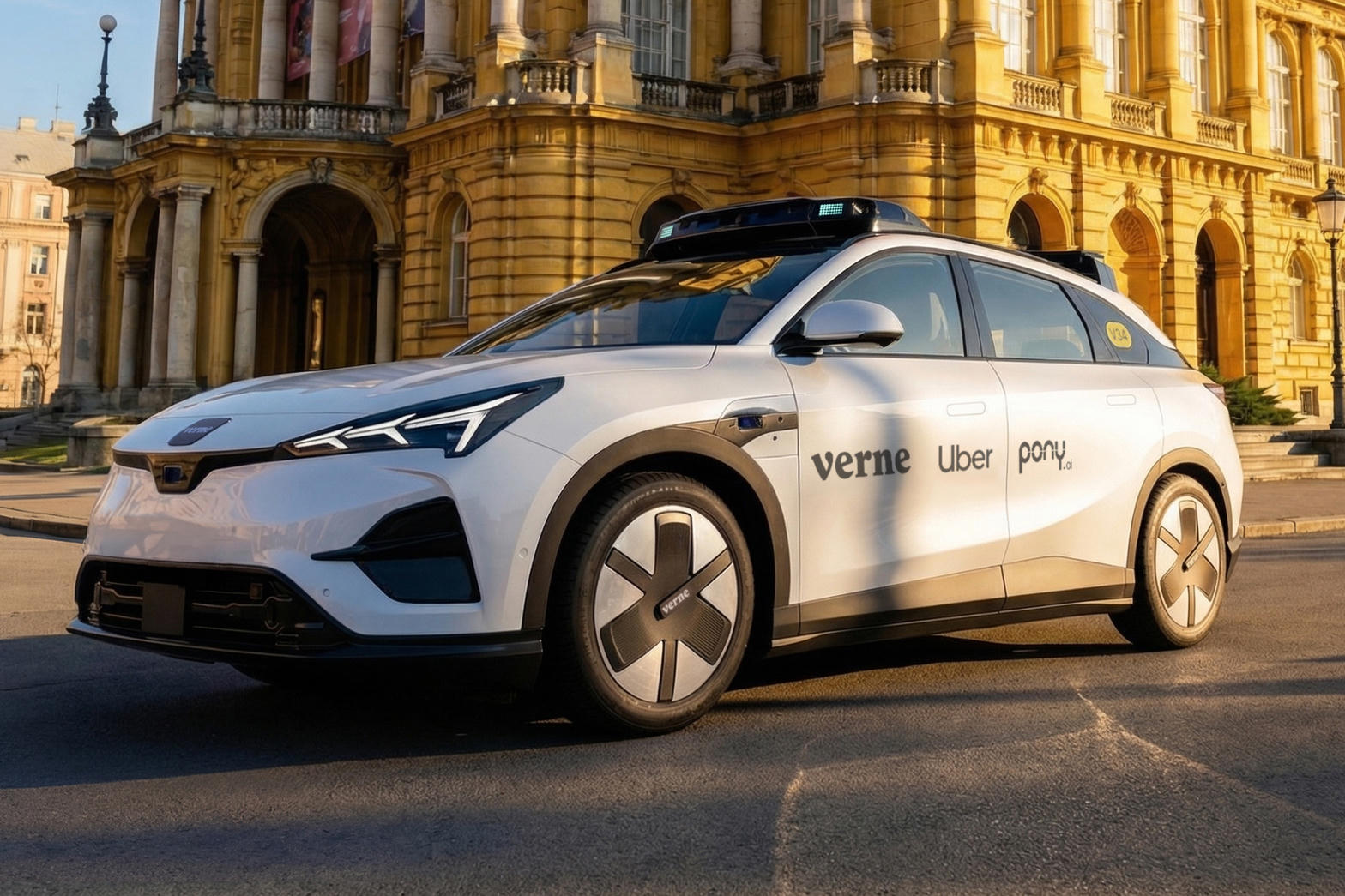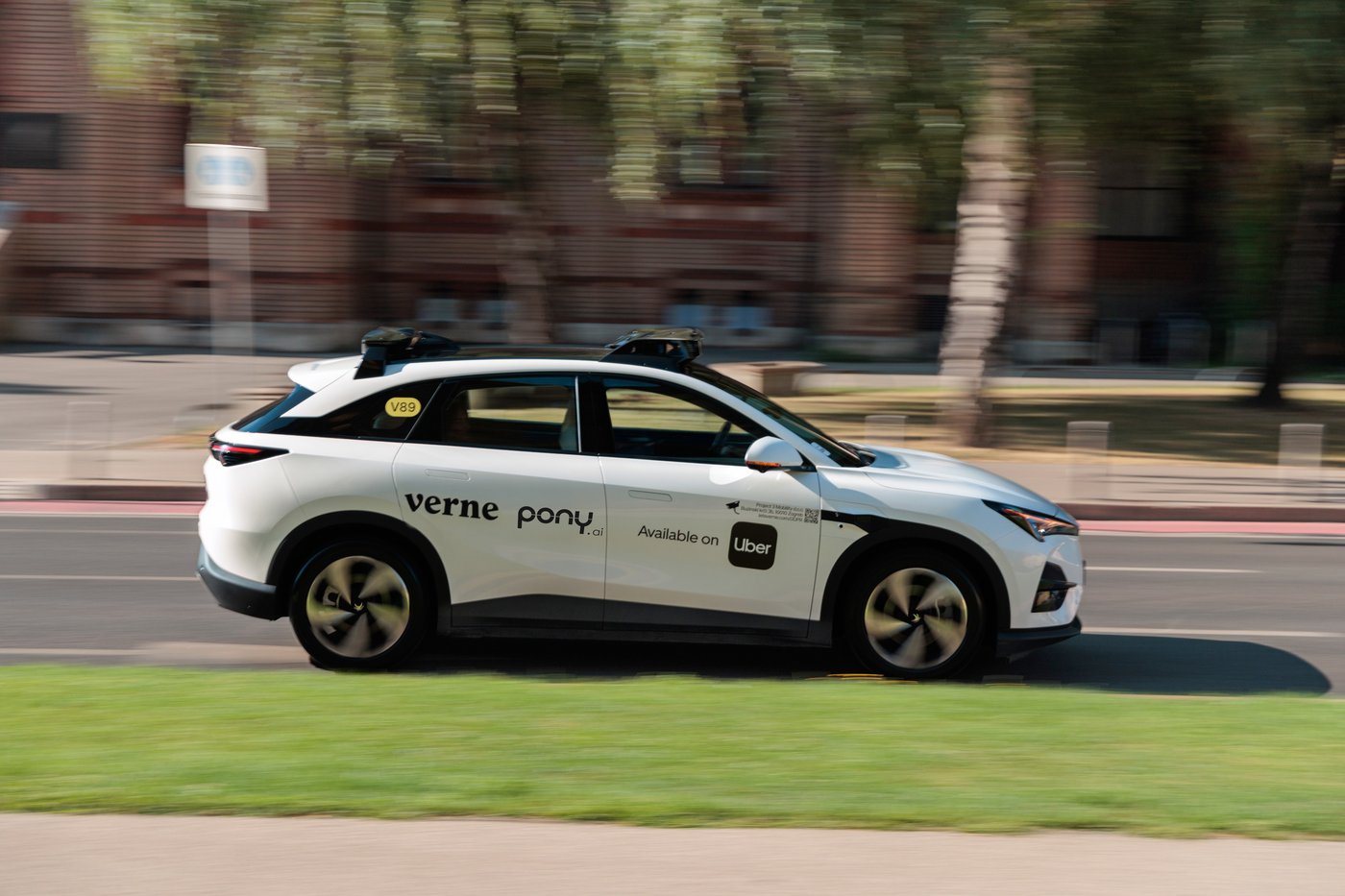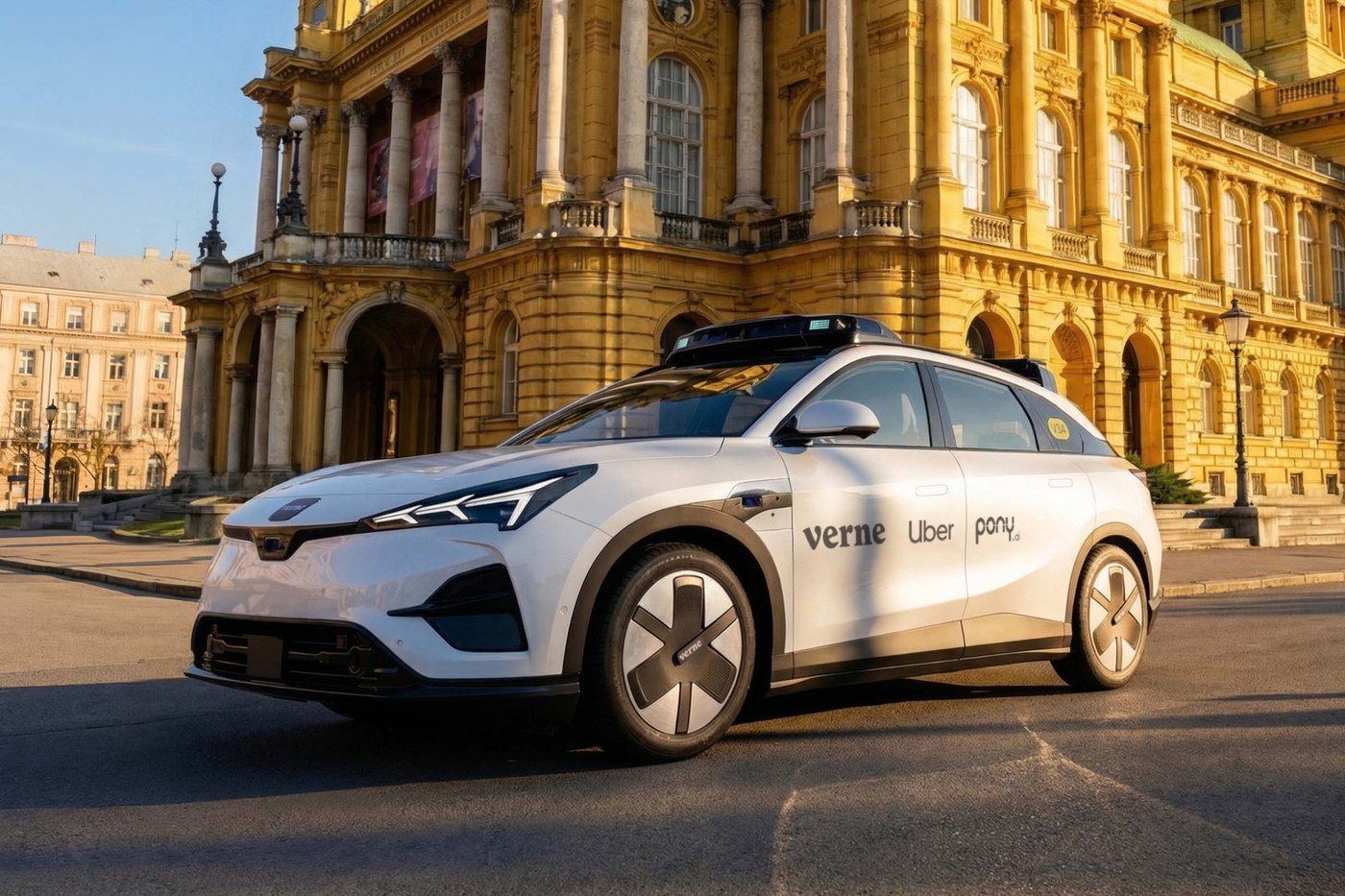
LONDON - Pony.ai said on Thursday that it is working with Uber to bring its seventh-generation robotaxis to London, with testing expected to begin in the coming weeks. The move takes the two companies' partnership beyond Zagreb, the Croatian capital, where cars running Pony.ai's self-driving system can already be booked on the Uber app.
"Pony.ai on Uber is coming to London," the Chinese self-driving company said in posts on X and LinkedIn. "Testing is expected to start in the coming weeks, and we look forward to working with local and national government officials, and our partners, as plans progress to begin trials for self-driving vehicles under the UK's leading AV regulations," it said on LinkedIn, according to EV, the electric vehicle news site.
The announcement left the basics open. Pony.ai did not say how many vehicles it would test, which company would operate them, whether Uber riders would be able to book test rides or when a commercial service might start, EV reported. On X, the company called London another step in its expanding global footprint as it scales autonomous mobility.

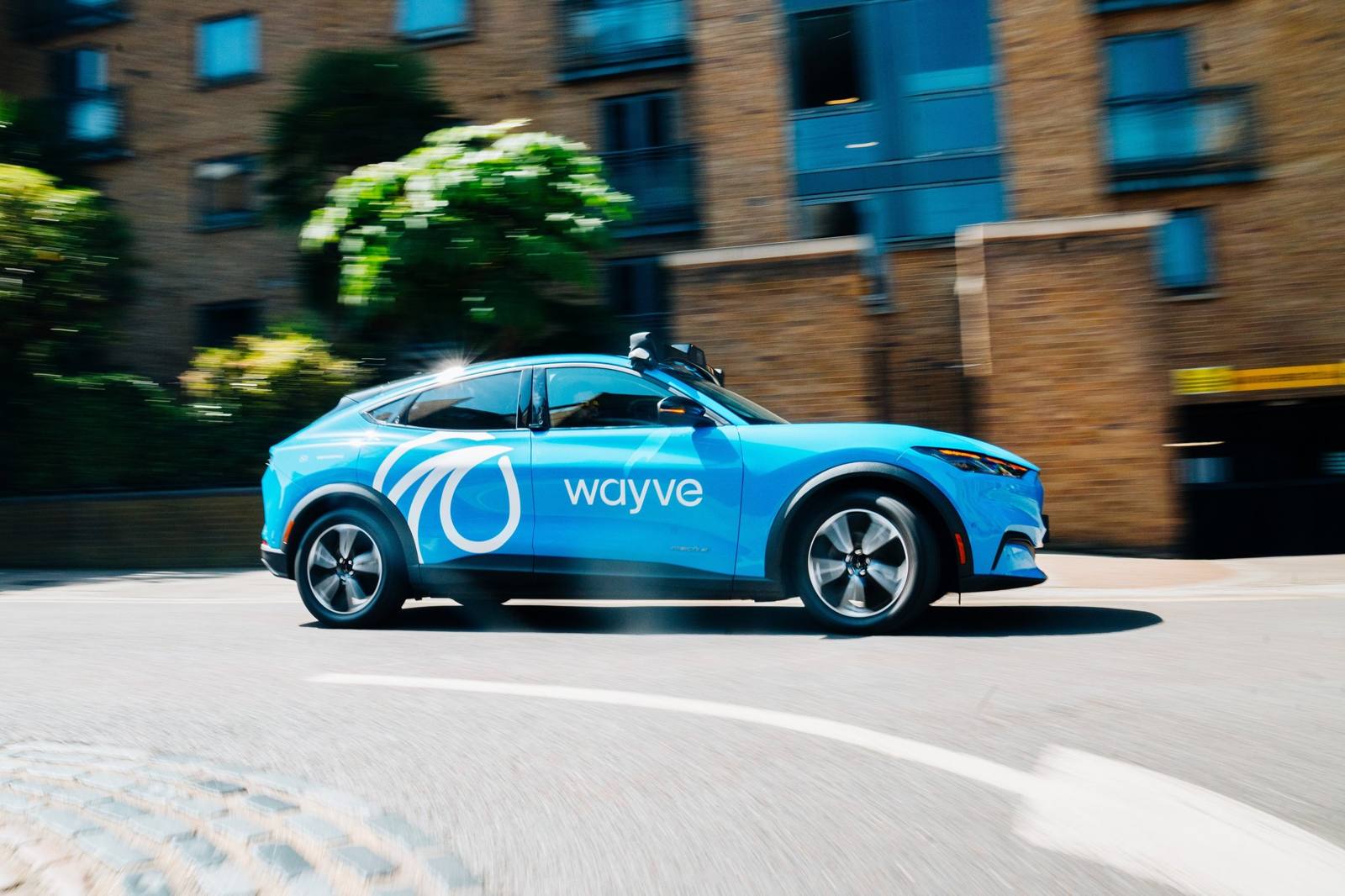
London is getting crowded. Uber already offers autonomous rides in the city with Wayve, the British start-up, which began supervised rides on the Uber app on Sept. 3 using Ford Mustang Mach-E vehicles with a safety operator aboard. Baidu's Apollo Go began road testing in London on July 28 with Freenow by Lyft, also with safety operators, and is planning public rides in 2027, subject to regulatory approval.
Pony.ai and Uber first announced their partnership in May 2025. It took shape in Europe this March through a three-way deal with Verne, a Croatian mobility company: Pony.ai supplies its Gen-7 self-driving system, Verne owns and runs the fleet, and Uber offers the rides on its app alongside Verne's own. Verne began paid rides in Zagreb in April with a safety operator aboard, and Uber riders there have been matched with the cars since August.
On Sept. 10, Pony.ai and Verne began fully driverless test rides for invited passengers on a 22-kilometer route linking Verne's headquarters, a Zagreb business district and the city's airport. By then the Zagreb fleet had covered more than 200,000 kilometers and completed several thousand customer rides, according to the companies.
In August, Pony.ai and Uber said they planned to deploy more than 2,000 Pony.ai robotaxis across Europe, expanding from Zagreb to four more cities they did not name. "The next chapter for autonomous mobility is about moving from individual launches to repeatable commercial scale," Sarfraz Maredia, Uber's global head of autonomous mobility and delivery, said at the time.
Pony.ai had 1,975 robotaxis at the end of June and has said it aims to reach 3,500 vehicles and more than 20 cities worldwide by the end of 2026. Its robotaxi revenue rose 691.2 percent from a year earlier to $12.1 million in the second quarter, while total revenue rose 68.8 percent to $36.2 million and its net loss narrowed to $45.4 million.
Uber said in August that it had pledged more than $10 billion to expand its robotaxi network, mainly through equity investments in self-driving partners and support for fleet operations. In Europe it is also working with WeRide, which last month won Spain's first national Level 4 operating permit, together with Uber and AVOMO, for a 20-vehicle robotaxi fleet in Madrid.