ZAGREB - Pony.ai and Croatian operator Verne have begun fully driverless robotaxi test rides with invited passengers on public roads in the Croatian capital, the first such passenger service in Europe with nobody in the driver's seat, the companies said.
The rides follow a 22-kilometer route linking Verne's headquarters and a central business district with Franjo Tudjman Airport. Passengers book through Uber. Verne said the fully driverless routes will expand in the coming months with the aim of covering the whole Zagreb operating area.
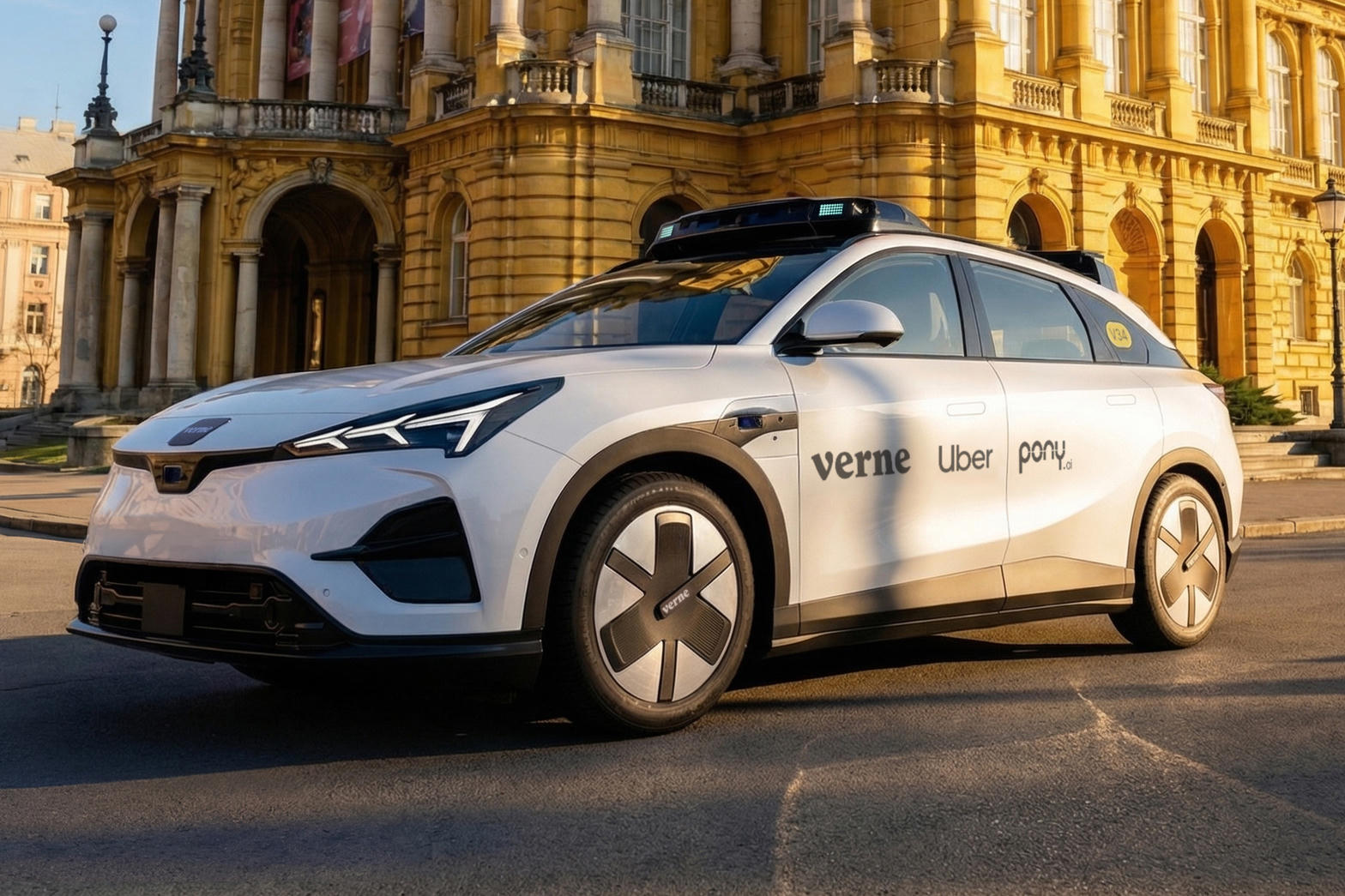
The milestone lands just over five months after Pony.ai, Verne and Uber announced a partnership to launch Europe's first commercial robotaxi service. Under the joint deployment model, Pony.ai supplies the autonomous driving technology, Verne runs day-to-day operations, and Uber provides access through its app. Since Verne's service launched in early April with an onboard autonomous-vehicle operator, the fleet has logged more than 200,000 kilometers, completed several thousand customer rides and posted an average passenger rating of 4.7 out of 5, according to the companies.
Moving from commercial operations with an onboard operator to fully driverless testing with passengers is the sharper European step. London's Wayve-Uber service, which began public rides on Sept. 3, still keeps a licensed private-hire driver in every car, legally responsible throughout. Croatia has taken the person out. Britain has not.
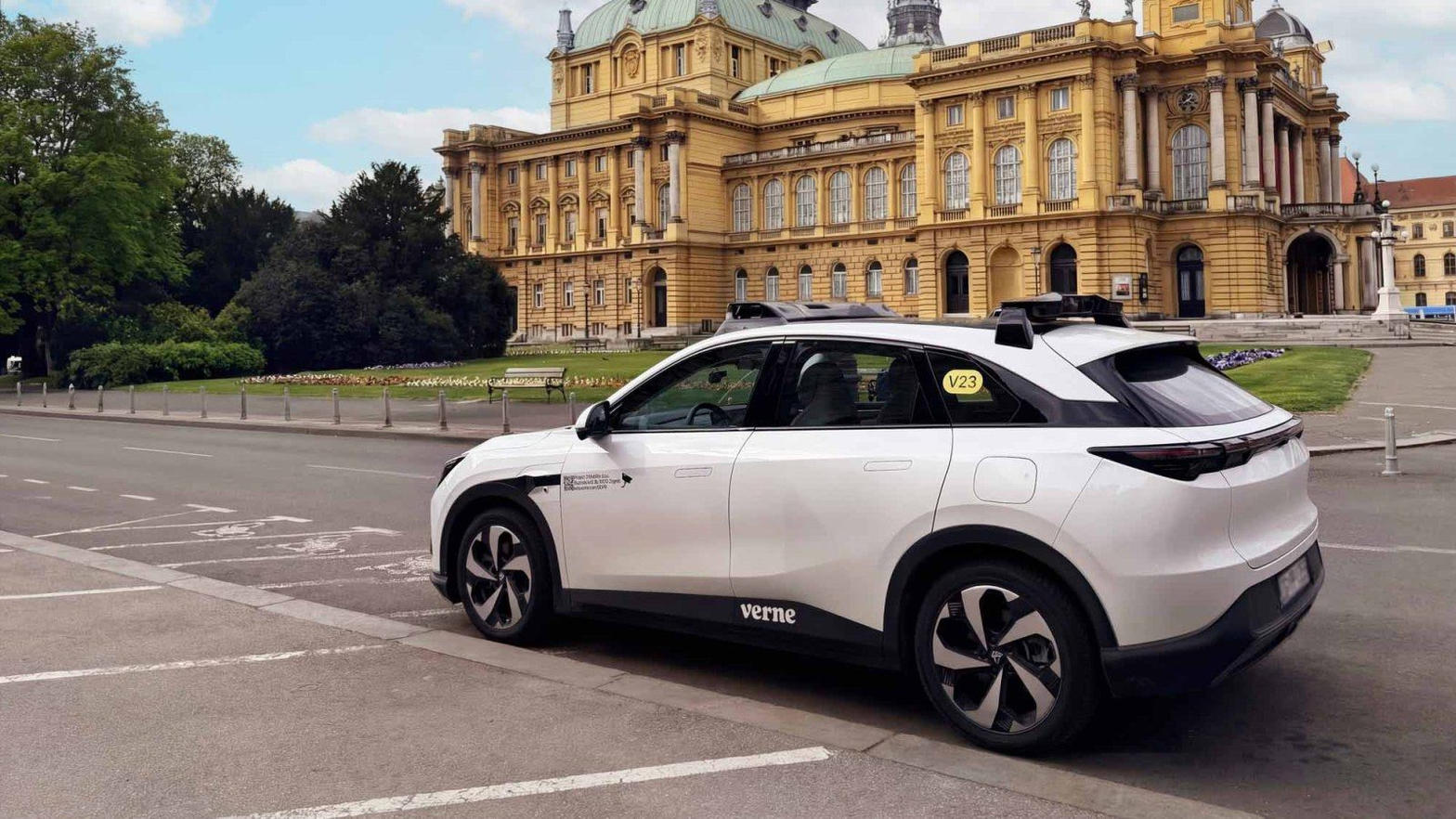
The Zagreb vehicles use Pony.ai's seventh-generation Robotaxi stack, including a Pony.ai L4 domain controller built on NVIDIA DRIVE AGX and running on the safety-certified DriveOS operating system. The companies describe a safety architecture with 360-degree sensor coverage, multiple layers of redundancy and fail-operational design that Pony.ai says has been validated in fully driverless commercial operations in major Chinese cities. Pony.ai said it currently operates fully driverless commercial services in four Chinese cities and has logged more than 100 million kilometers in autonomous operations worldwide, including more than 40 million kilometers in fully driverless mode.
Fully driverless passenger rides in Zagreb mark an important step in Pony.ai's international growth. Together with Verne, we are demonstrating how Pony.ai's Virtual Driver can combine with Verne's local operating and passenger-service capabilities to support a scalable path to commercialization.
Five months ago, we launched Europe's first commercial Robotaxi service. We are now taking the next step, moving from autonomous driving with an onboard AV operator toward fully driverless operations. This is a major milestone on the path to scaling autonomous mobility in Europe.
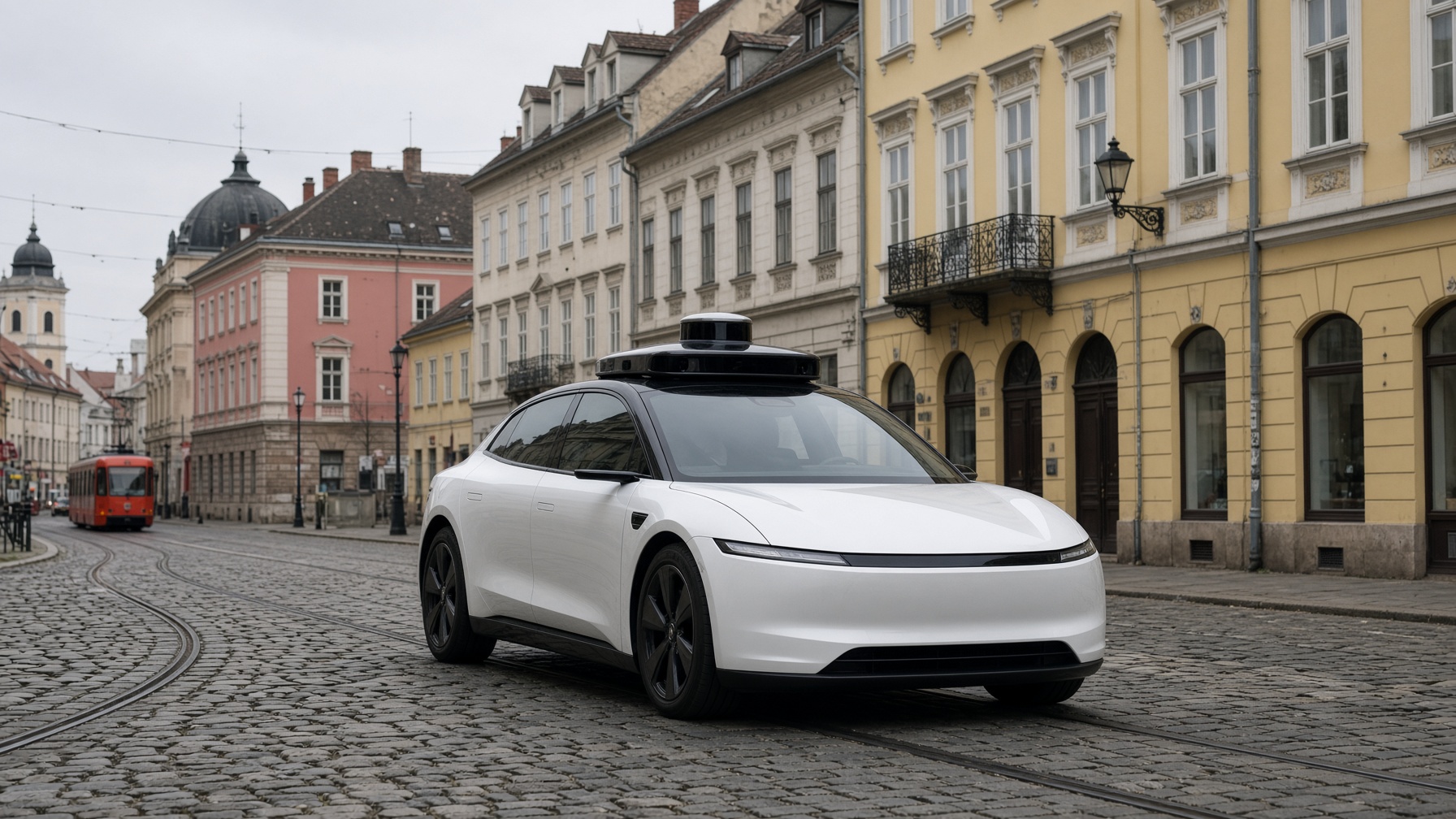
The rides are being conducted under applicable Croatian regulations and the approvals required for autonomous vehicle testing with passengers on public roads, the companies said. That national clearance does not travel with the car. Under European Union type-approval rules, a fully automated car can secure EU-wide approval through a small-series route that Germany's KBA has put at a ceiling of 1,500 units a year across the bloc. Everything else runs on permission that stops at each national border, which is why Europe's robotaxi map still fills in one country at a time.
Scale ambitions are larger than that ceiling. Pony.ai said recent partnerships have expanded its overseas deployment pipeline to more than 4,000 Robotaxis, including plans with Uber to deploy more than 2,000 vehicles across Europe. The company is targeting a global fleet of more than 3,500 Robotaxis by the end of 2026, with operations spanning more than 20 cities worldwide. Whether Zagreb's empty front seat becomes a template or remains a Croatian exception will depend on how other capitals treat the same gap between national test permits and continent-wide commercial approval.