Look, Don't Ride: Tesla Parks Cybercab in China With No Sale, No Robotaxi
Tesla China said Cybercab static displays in Beijing and Shanghai do not involve selling the vehicle or launching driverless ride-hailing in the country.
Li Wei, China desk · Sept. 17, 2026 · 5-6 min
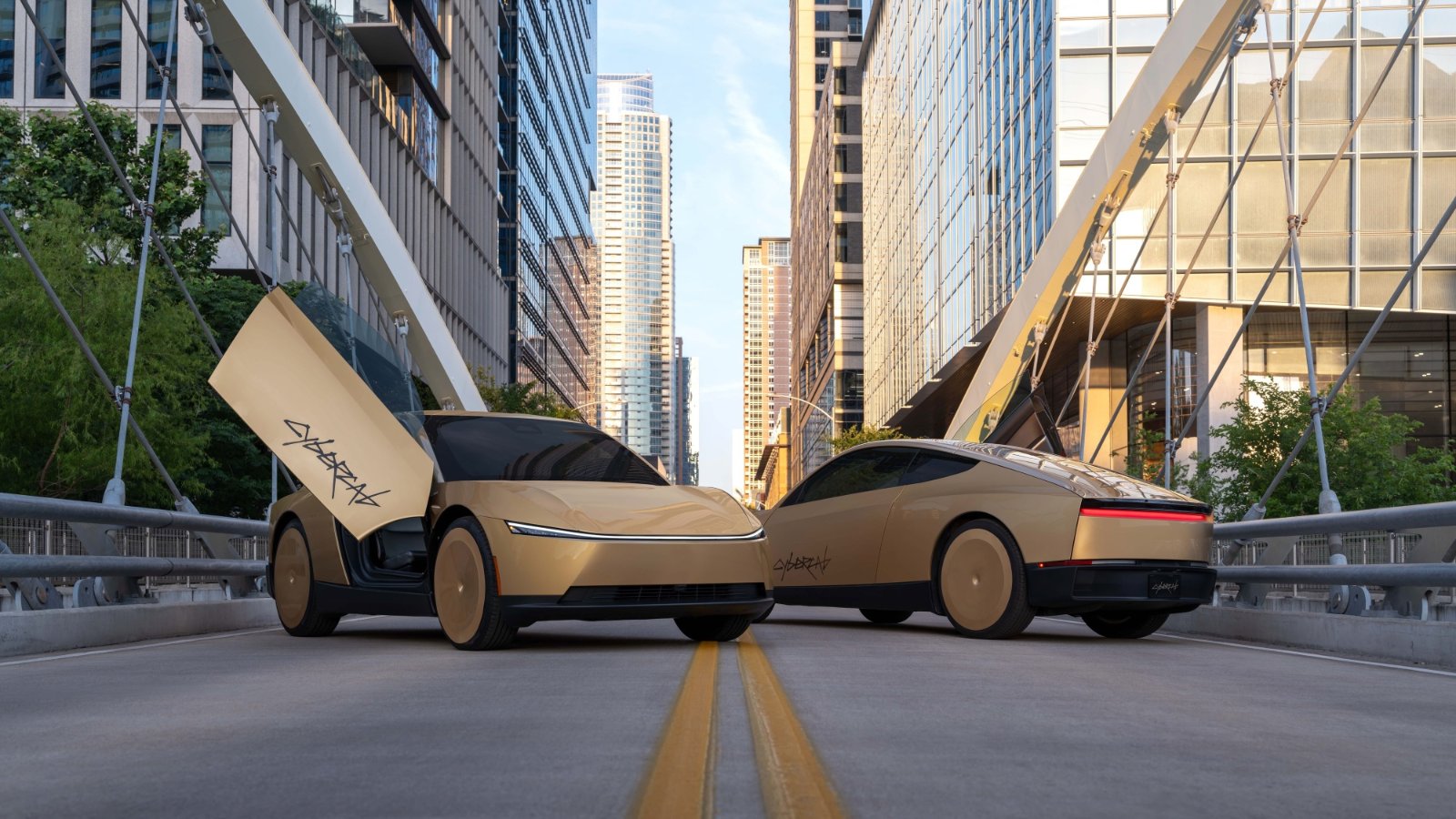
BEIJING - Tesla opened static Cybercab displays in Beijing and Shanghai on Sept. 17, giving the Chinese public its first close look at the wheel-free robotaxi while Tesla China made clear the showcase involves neither sales nor commercial driverless ride-hailing in the country.
The Beijing unit is parked at the Huamao Tesla experience store, also known as the Tesla Experience Center at China Central Place, through Sept. 27. The Shanghai unit sits in the LG1 north hall of HKRI Taikoo Hui through Sept. 21. Both stops are display-only. Visitors can walk around the two-seat car. They cannot order one, and they cannot book a ride in one.
Tesla China framed the tour in flat terms. The company said the events are meant "to showcase its product design and technological concepts" and "does not involve the sale of the Cybercab in the Chinese market or any arrangement for driverless ride-hailing commercial operations," according to Electrek, which reported the statement on Sept. 16. CnEVPost and TeslaNorth separately confirmed the same venues, dates, and display-only status.
That disclaimer is not marketing caution. The Cybercab has no steering wheel and no pedals. A vehicle built without conventional manual controls cannot be registered and sold to consumers in China under rules that still assume a human driver, Electrek reported, any more than it can in the United States without exemptions or rewritten standards. A shopper at Huamao can look. There is nothing to buy.
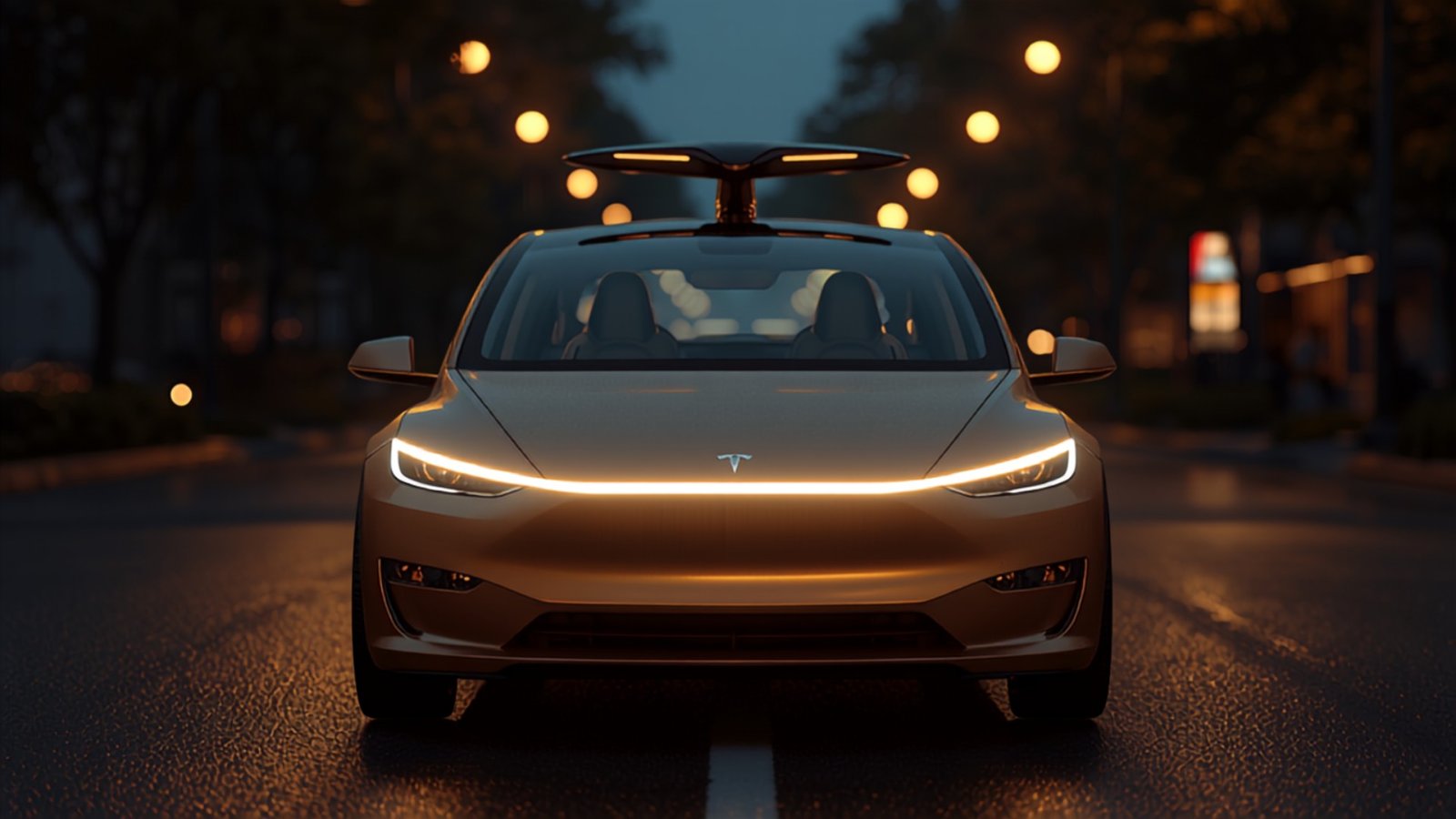
The robotaxi path is steeper still. Tesla rolled out only a limited, supervised version of Full Self-Driving in China in early 2025, Electrek reported, and it still lacks approvals to run an unsupervised, driverless commercial service there. Parking a static Cybercab in two retail venues does not change that regulatory gap.
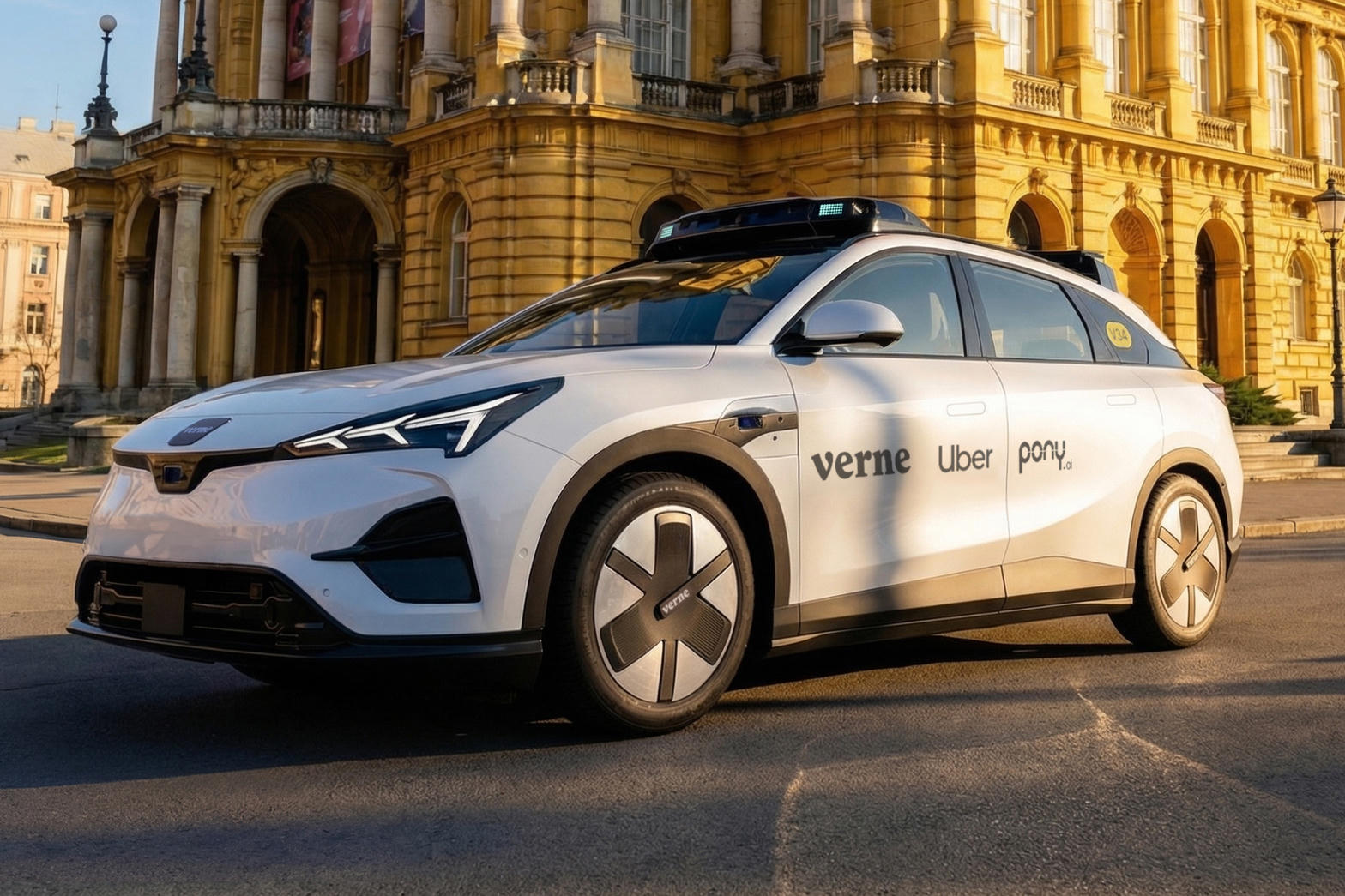
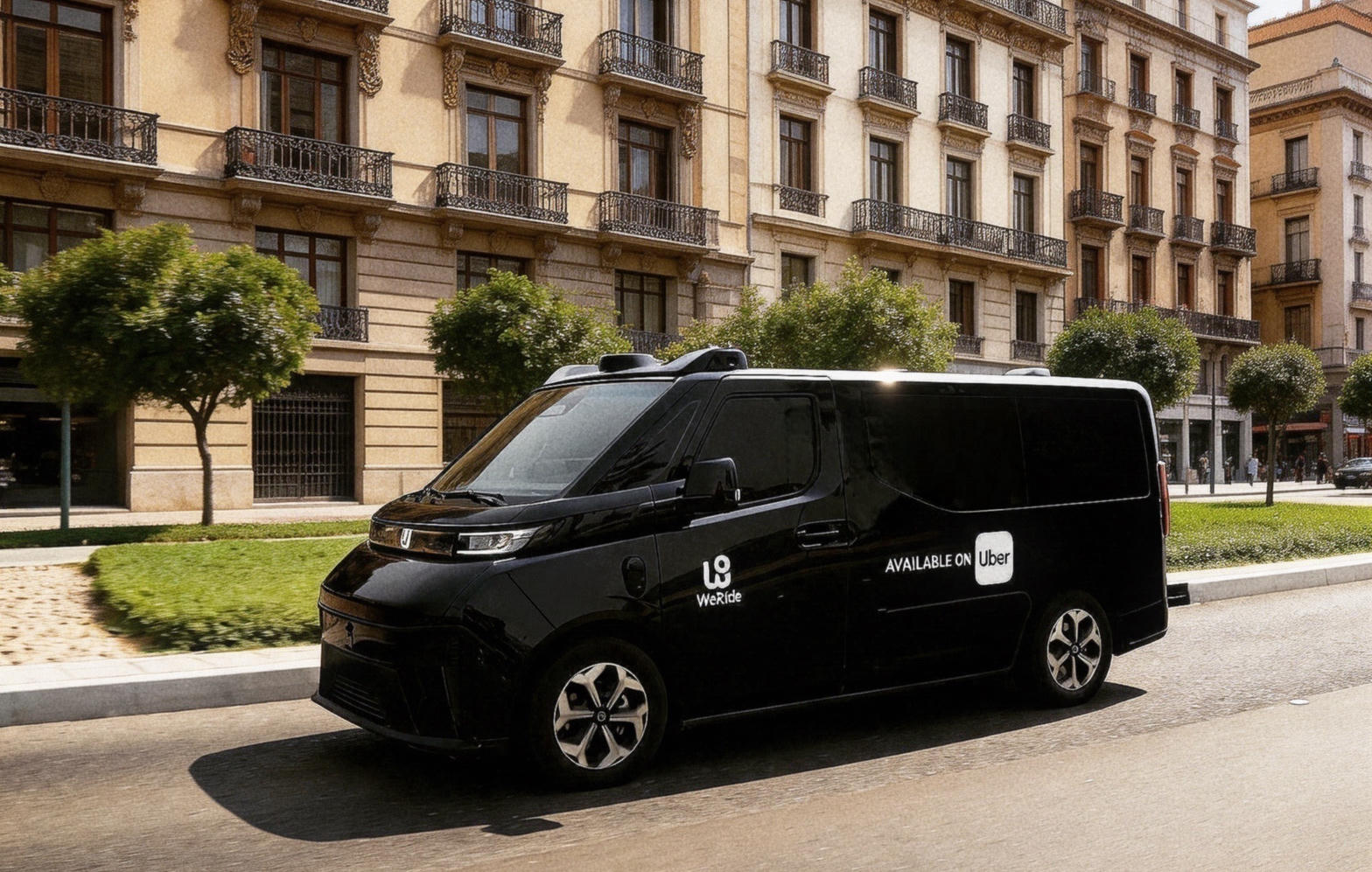
The contrast with Chinese operators is hard to miss. Baidu's Apollo Go, Pony.ai, and WeRide already run paid, no-safety-driver robotaxi services across Chinese cities, Electrek noted. Those fleets have been scaling for years in what is widely treated as the world's most developed commercial driverless market. Tesla is arriving with a car it says it will neither sell nor operate as a robotaxi in China during this showcase.
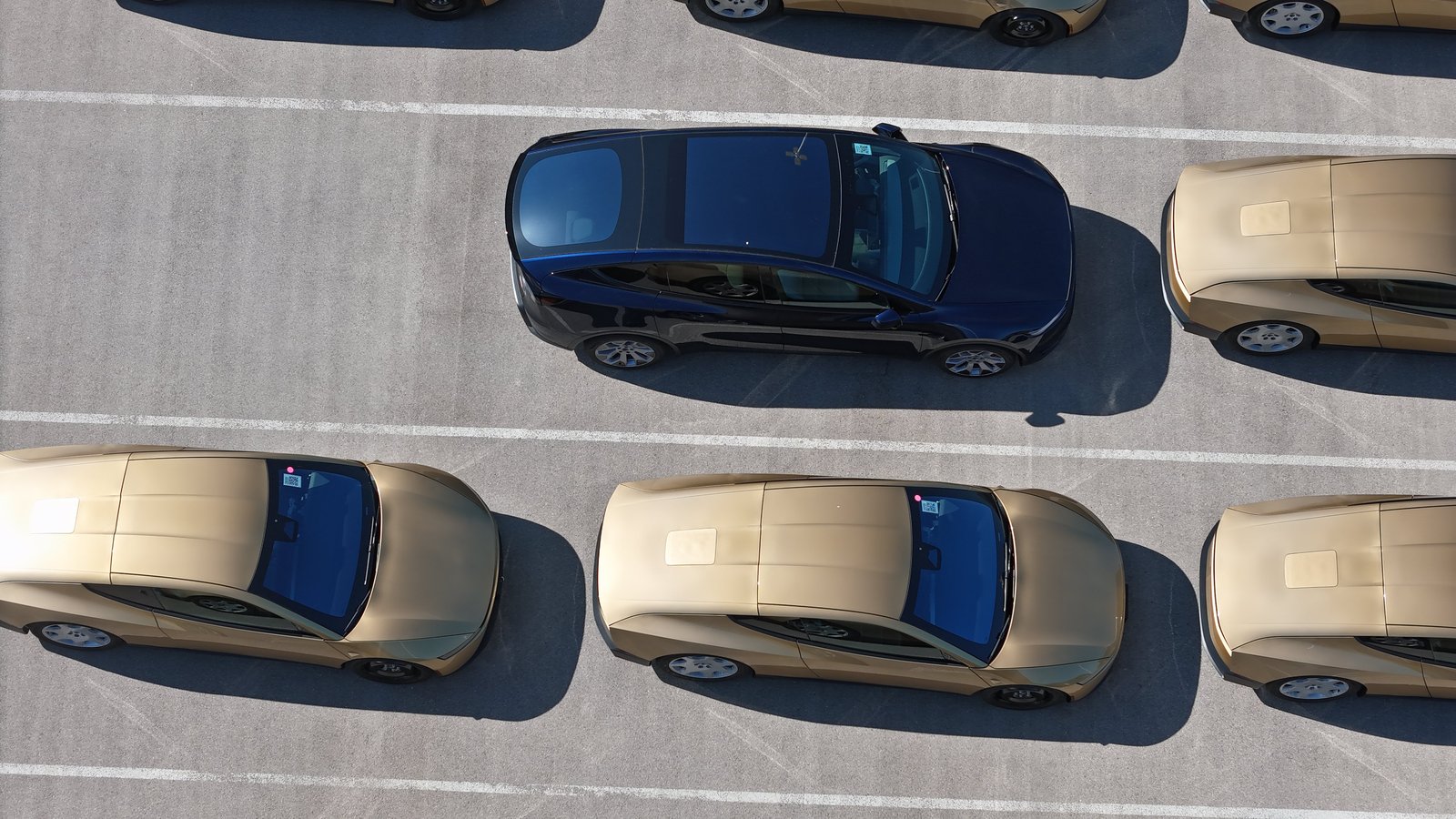
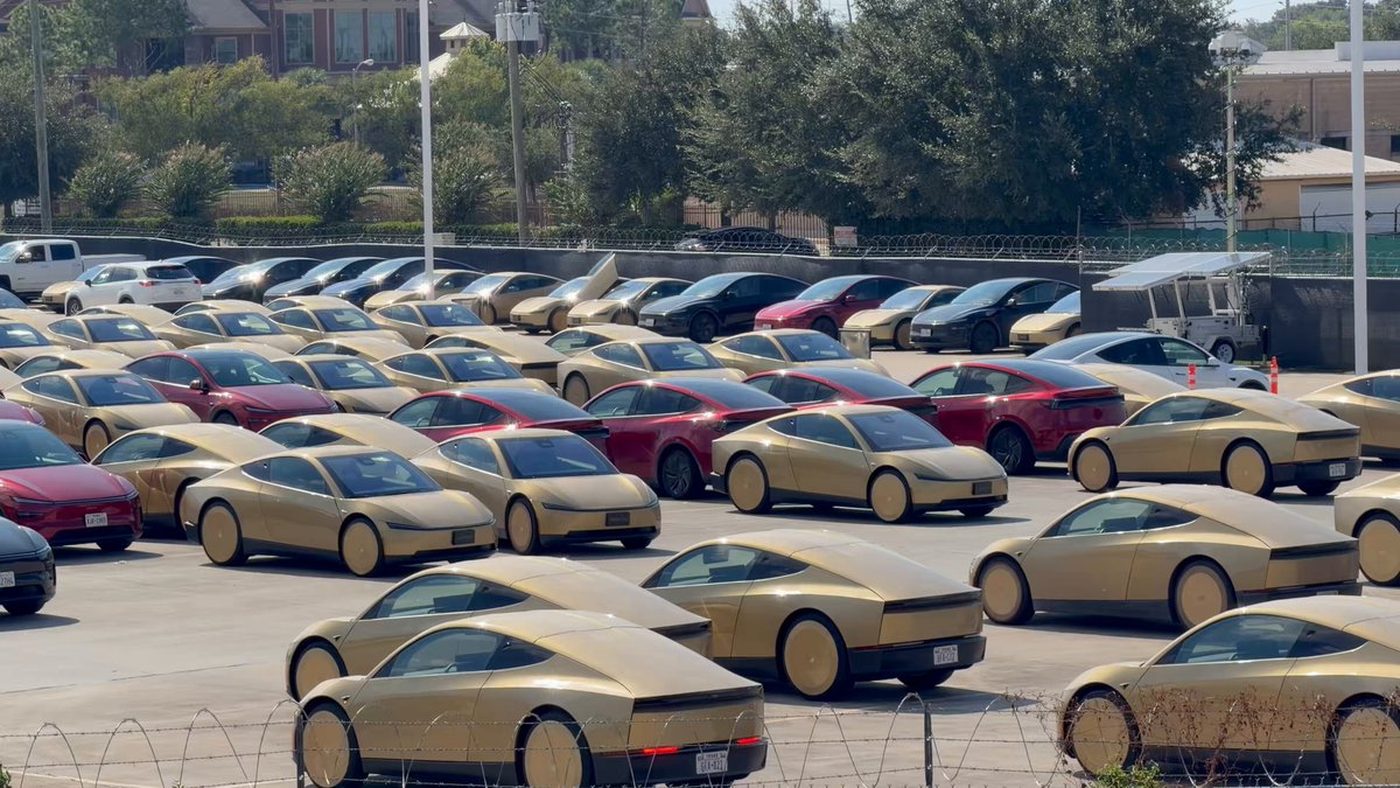
Elsewhere, the same platform is already in limited commercial use. Tesla said on Sept. 3 that Cybercab had entered service in Austin, Texas. Texas Department of Motor Vehicles data showed 45 Cybercabs registered for the local robotaxi fleet as of Aug. 31, CnEVPost reported, after earlier use mainly for employee rides. The vehicle first appeared as a concept at Tesla's "We, Robot" event in October 2024. The first production unit left Gigafactory Texas in February 2026, with volume production beginning in April, according to CnEVPost. Manufacturing uses Tesla's "Unboxed" process, in which subassemblies are built in parallel before final assembly.
That American timeline sits beside a softer China retail backdrop. Tesla's retail sales in China fell 12.43 percent year on year to 50,047 vehicles in August, the third consecutive monthly decline, according to China Passenger Car Association data compiled by CnEVPost. The company recently broadened its local Model Y lineup, including an all-wheel-drive Performance variant launched Sept. 11. A Cybercab that cannot be sold will not fix that chart. It may still pull curious visitors into stores that sell cars Tesla can register.
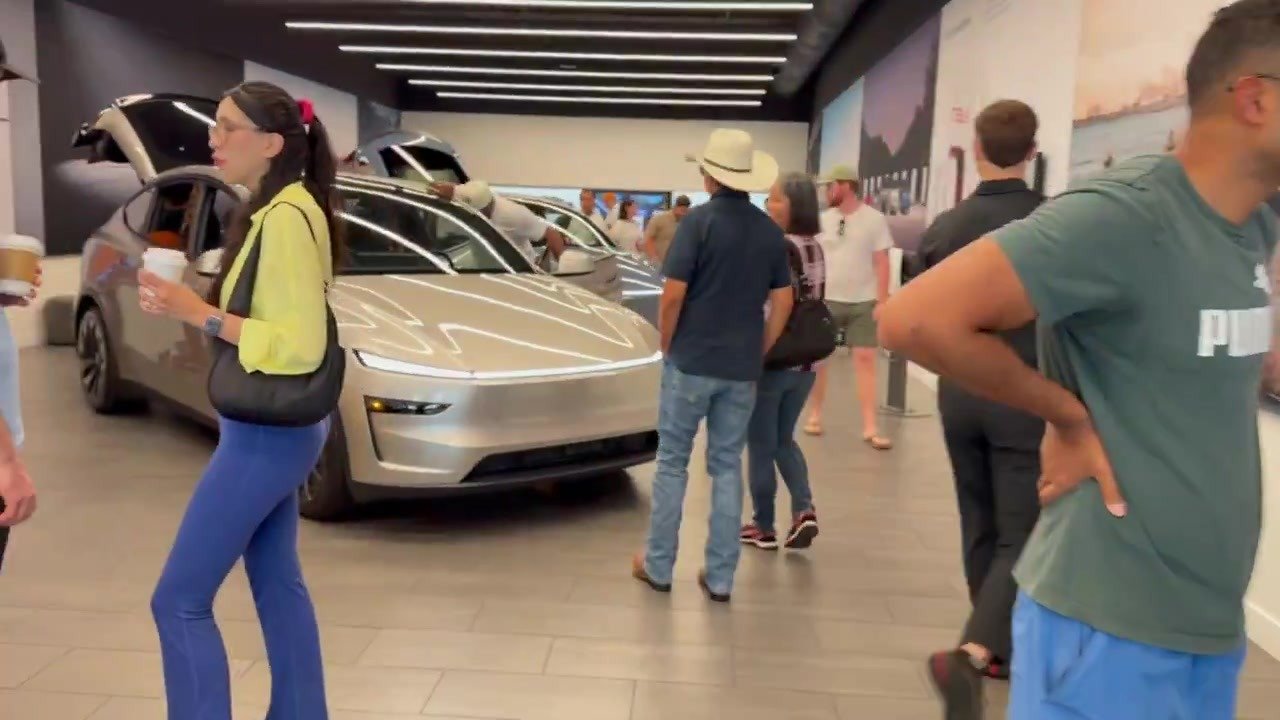
The Huamao stop sits inside Tesla's existing retail footprint in Beijing. TeslaNorth identified the site as the Tesla Experience Center at China Central Place, a showroom setting rather than a dedicated robotaxi depot. HKRI Taikoo Hui in Shanghai is similarly a shopping destination, not a fleet yard. That choice fits a look-but-don't-buy tour: put the car where Model Y shoppers already walk, then send them home without a Cybercab order form.
For the driverless beat, the China displays are a product story with a policy edge. Tesla wants Chinese audiences to see the wheel-free design and the technological concept behind it. It does not, in its own words, want those audiences to treat the tour as a sales launch or a commercial robotaxi debut. Apollo Go, Pony.ai, and WeRide keep taking paid fares without a safety driver. Tesla's Cybercab sits under glass, or under a mall atrium, until Chinese rules and Tesla's own unsupervised approvals catch up.
Through Sept. 27 in Beijing and Sept. 21 in Shanghai, the invitation is simple: look, don't ride. Whether the static tour later becomes a China sales case, a supervised pilot, or remains a showroom curiosity will depend on regulators and on Tesla's FSD path there, not on how many people photograph the car this week.
Li Wei, China desk. Li Wei is a senior correspondent covering Chinese AV stacks, Apollo, and overseas expansion. Previously covered autos and tech for regional wires; based in Shanghai.