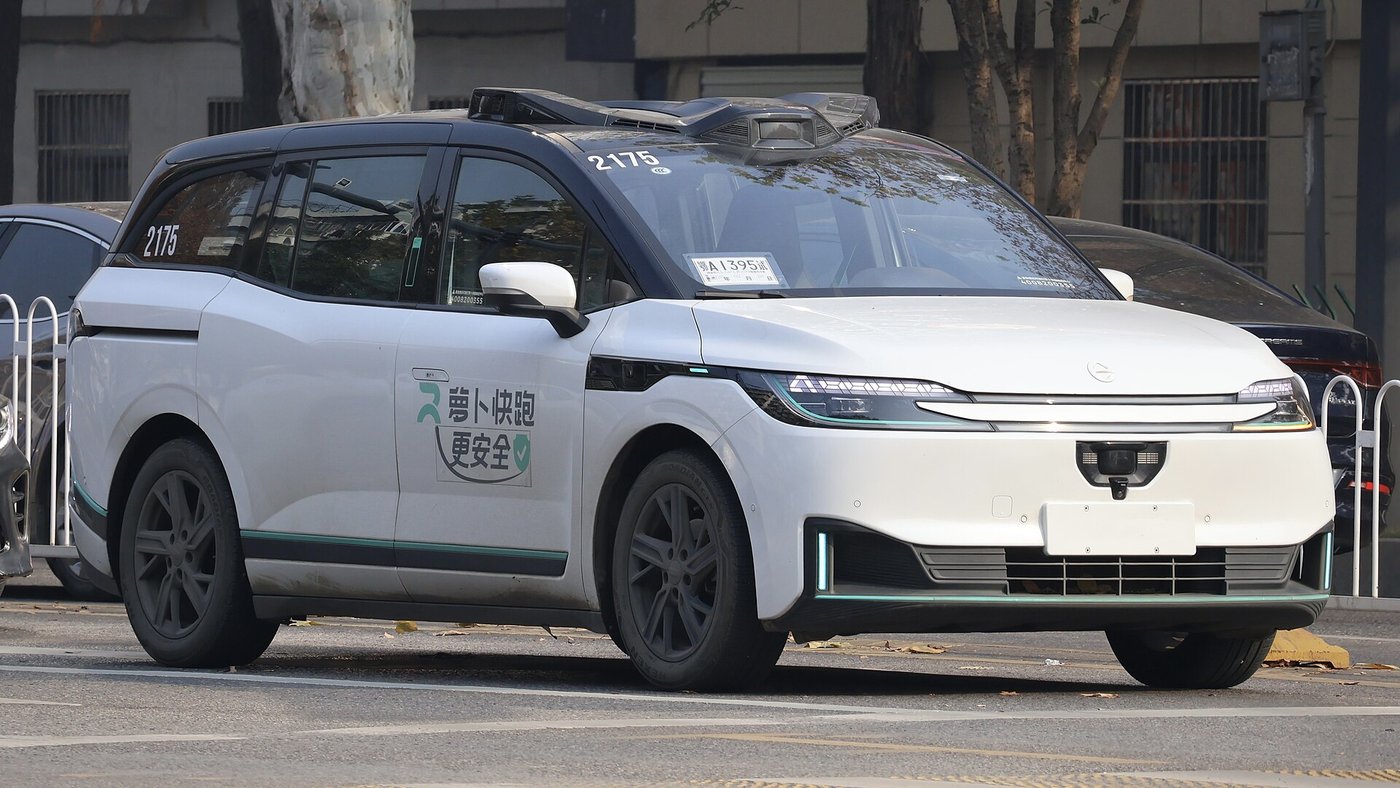
LONDON - Baidu's Apollo Go and Freenow, the ride-hailing app owned by Lyft, showed off Apollo Go's RT6 robotaxi in London on Thursday and said they hope to have fully driverless cars on the city's streets next year, with a commercial service starting in 2027.
The companies have been testing the RT6 in London since the summer with safety operators aboard, Reuters reported after a demonstration ride. The testing began on July 28 in Brent, a borough in west and northwest London with a mix of urban and suburban streets, according to Baidu's announcement at the time. The London program grew out of a partnership Baidu and Lyft announced in 2025 to put Apollo Go vehicles on the Lyft platform in Europe.
Danny O'Gorman, Freenow's general manager in Britain, told Reuters that London's speed bumps, narrow streets and many roads limited to 20 miles per hour made it a demanding place to test. "So the car is going through the phase of learning the rules of the road much like you would do if you're trying to pass your own driving test," he said.
Mr. O'Gorman said the company was working closely with Transport for London and expected regulatory guidelines in the coming week. He said the company was talking about "tens of vehicles in the next year or two" as it tests demand, and that the robotaxis were not meant to replace the city's black cabs. "Black cabs are a fundamental part of London," he said.
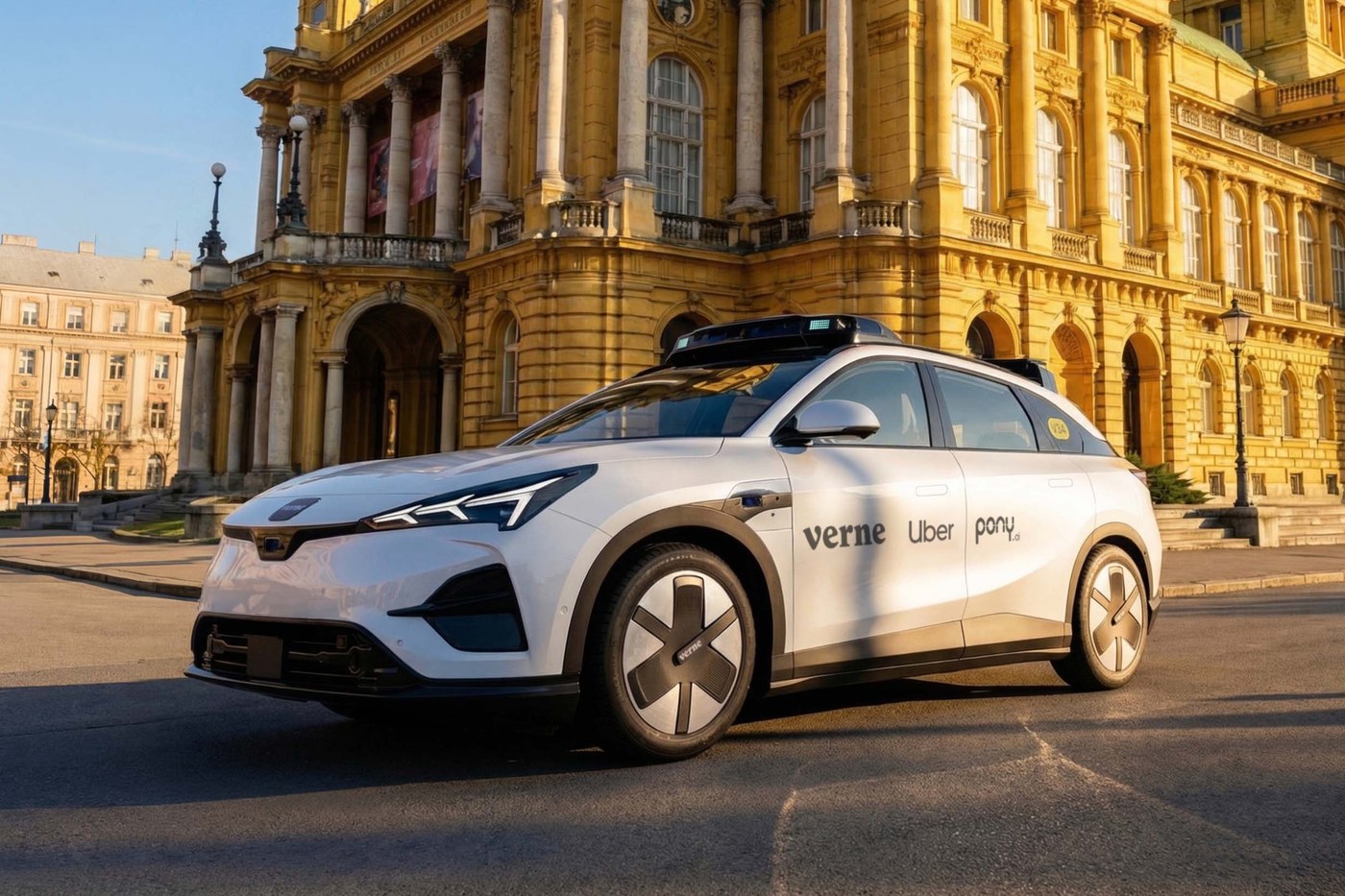
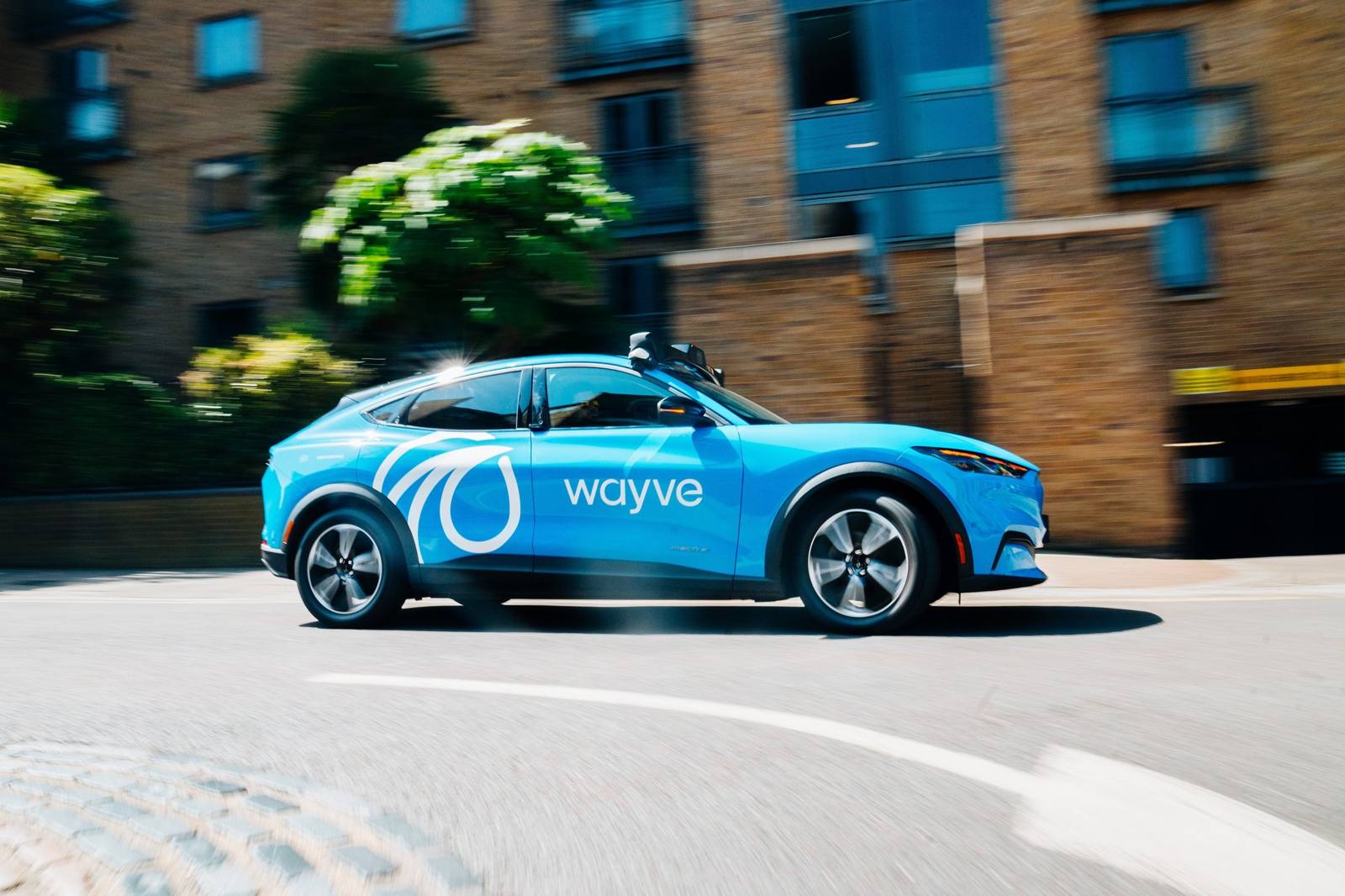
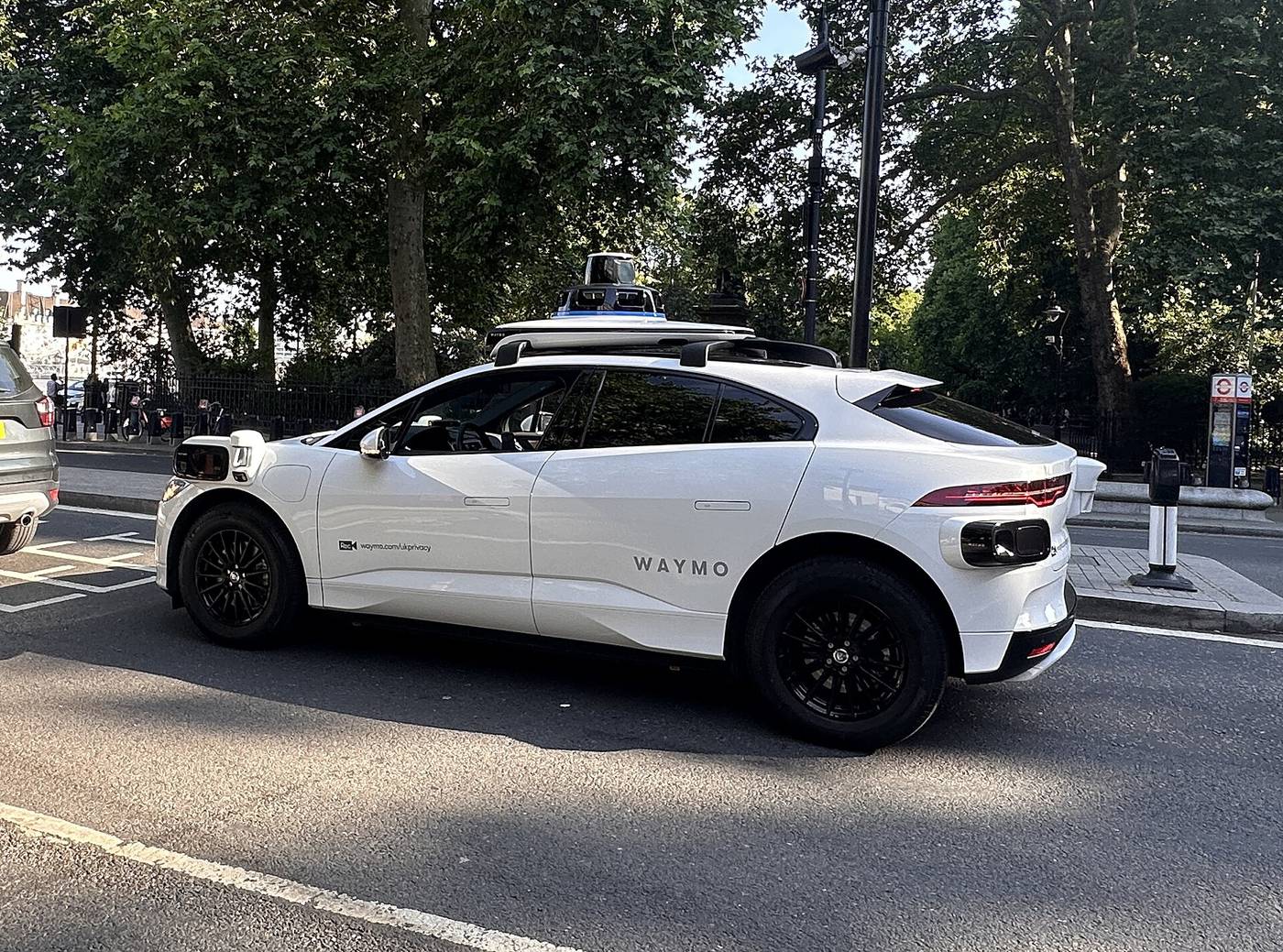
The RT6 joins a crowded field in the capital. Wayve and Uber began offering rides in London in September with a licensed driver on board, Driverless.news reported, and Uber and Pony.ai are preparing their own tests. Waymo has said it aims to start a fully driverless ride-hailing service in London by the end of this year.
Every autonomous ride that can be booked in London today still has a driver aboard. Under British rules that took effect in May, a passenger service using self-driving cars needs a permit from the Department for Transport, and a London service also needs Transport for London's consent, according to a summary of the rules by Robotaxi Atlas. A London Assembly committee has asked ministers to give TfL power to license and cap robotaxi fleets.
Baidu's push into Europe comes as the United States Senate works toward a permanent ban on Chinese cars, Reuters noted. Apollo Go already runs driverless rides across China and has been testing in Hong Kong, its first market where cars drive on the left, where it recently opened free public trial rides in Tung Chung.