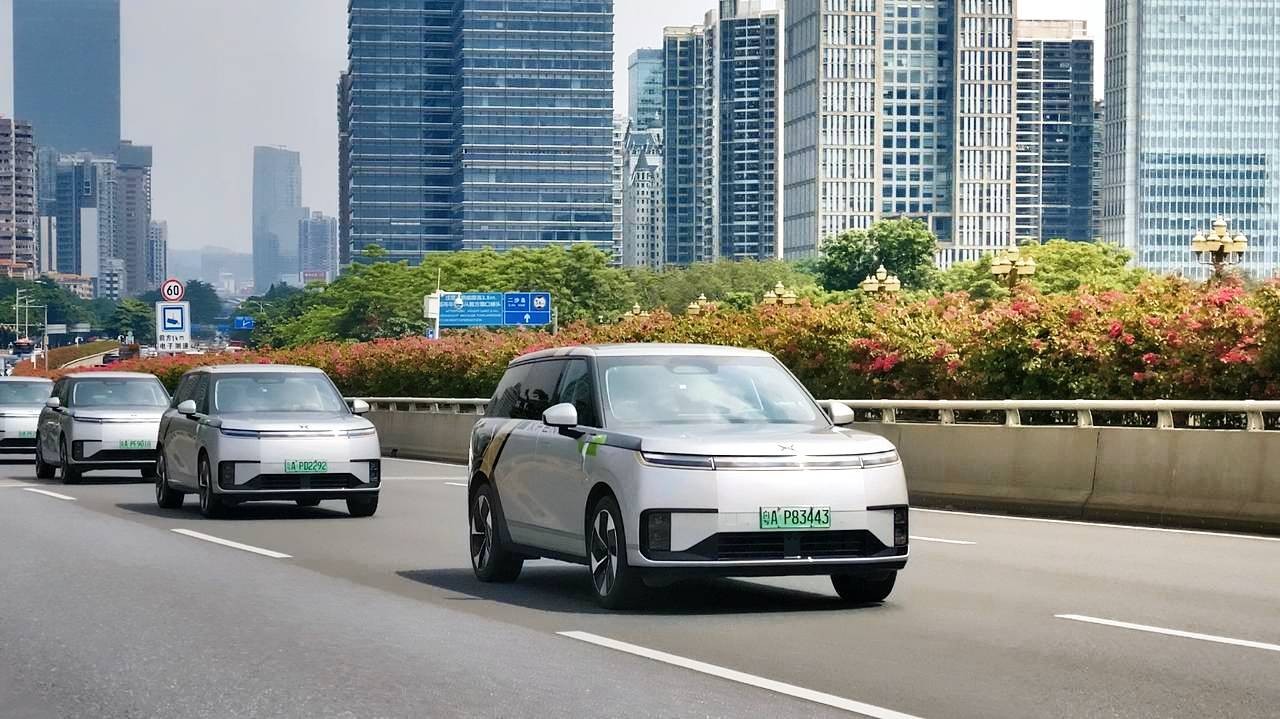
GUANGZHOU - XPENG said on Thursday that it has named its robotaxi service XPENG YOYO and opened invitation-code online registration in China so people outside the company can apply to ride the vehicles, moving the program beyond employee-only testing in Guangzhou.
The company said a dedicated YOYO page also went live on its website. Riders apply through XPENG's autonomous driving online registration and need an invitation code. TechNode reported that the company launched a WeChat mini program for the same invitation-based testing. Coverage areas, booking windows and hours remain limited, and the trials are not a fully open public service.
XPENG said its first production robotaxi, based on its flagship GX model, rolled off the line in Guangzhou in May. In July it completed an end-to-end run covering online booking, autonomous pickup and passenger drop-off, then started internal employee testing. The company previously ran limited paid internal trials at 1 renminbi a ride to validate payment and service workflows.
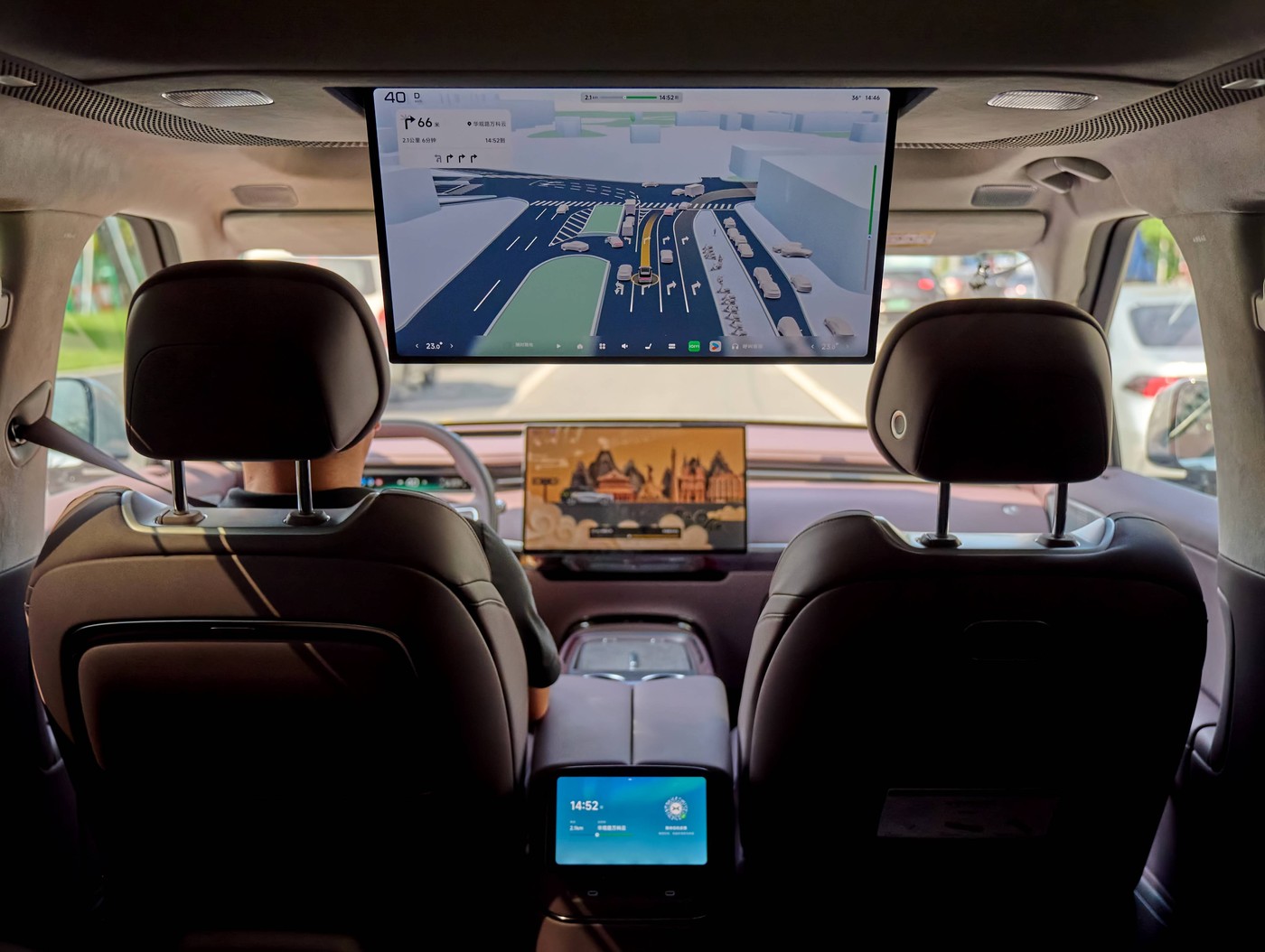
By August, XPENG said it had completed more than 2,000 internal test rides in Guangzhou and obtained municipal approval for remote intelligent connected vehicle road tests, allowing runs without a safety operator in the driver's seat on designated Class I, II and III test roads in the city.
Each YOYO robotaxi carries four in-house Turing AI chips that XPENG says deliver 3,000 TOPS of effective onboard compute, and runs the company's second-generation Vision-Language-Action model. The company describes a vision-based stack that does not rely on high-definition maps or LiDAR. Cabin features in the announcement include pre-set temperature and fragrance before boarding, zero-gravity seats and a rear entertainment screen.
He Xiaopeng, XPENG's chairman and chief executive, has positioned the company as a technology provider and ecosystem partner rather than the day-to-day fleet operator, with revenue from vehicle sales, technology services and a share of ride-hailing orders. XPENG plans a dedicated robotaxi model in 2027, further expansion in Guangzhou, exploration of other cities including Shenzhen, and says it aims for single-vehicle profitability in Guangzhou in the second half of 2027.