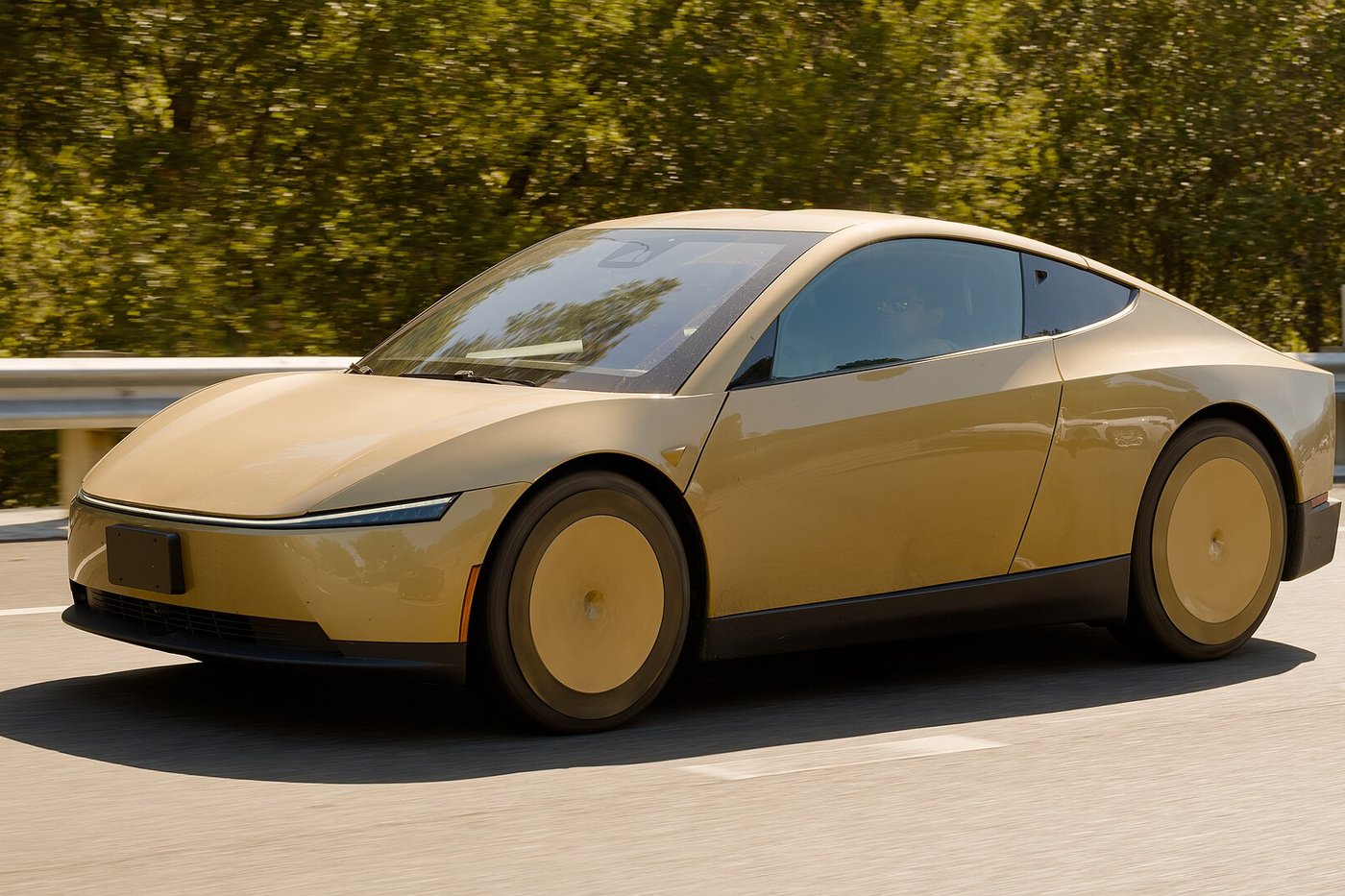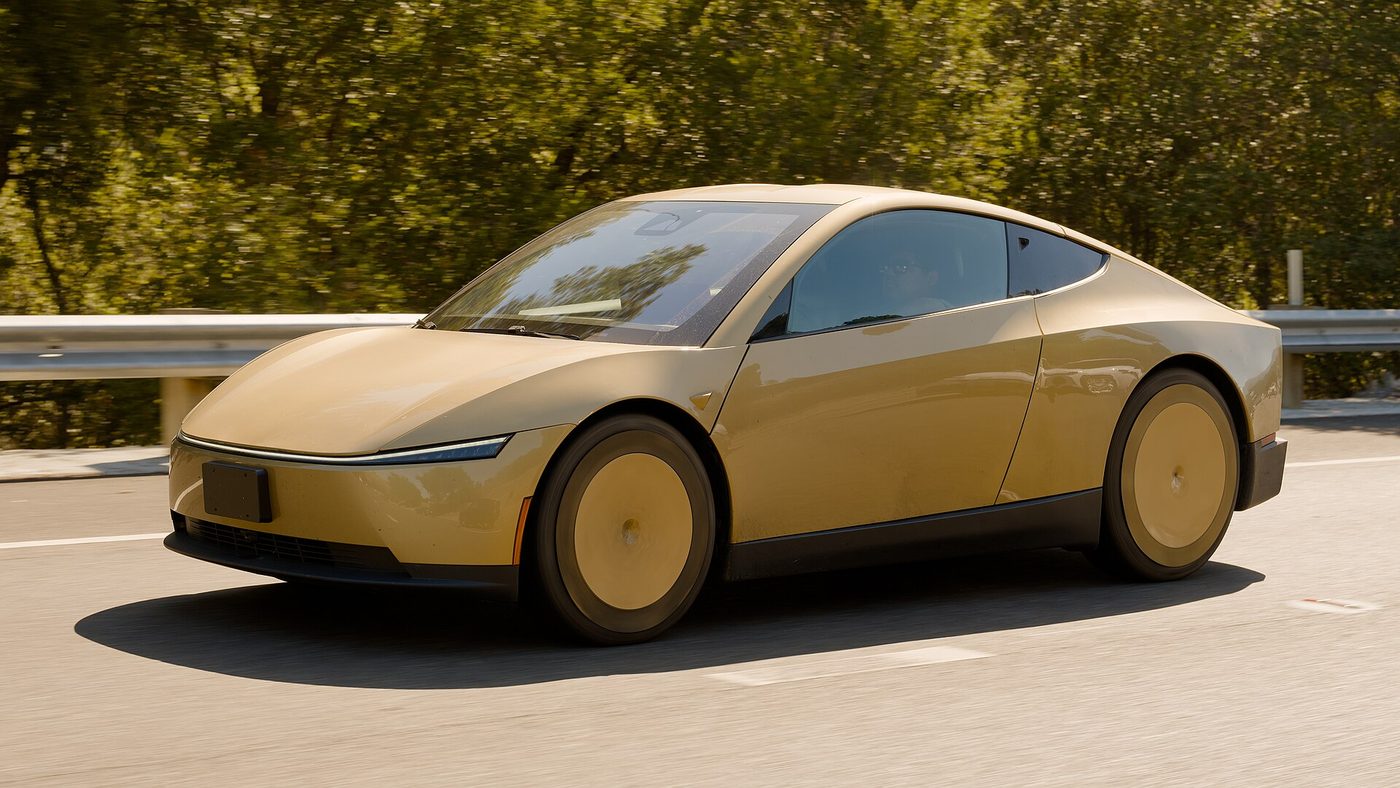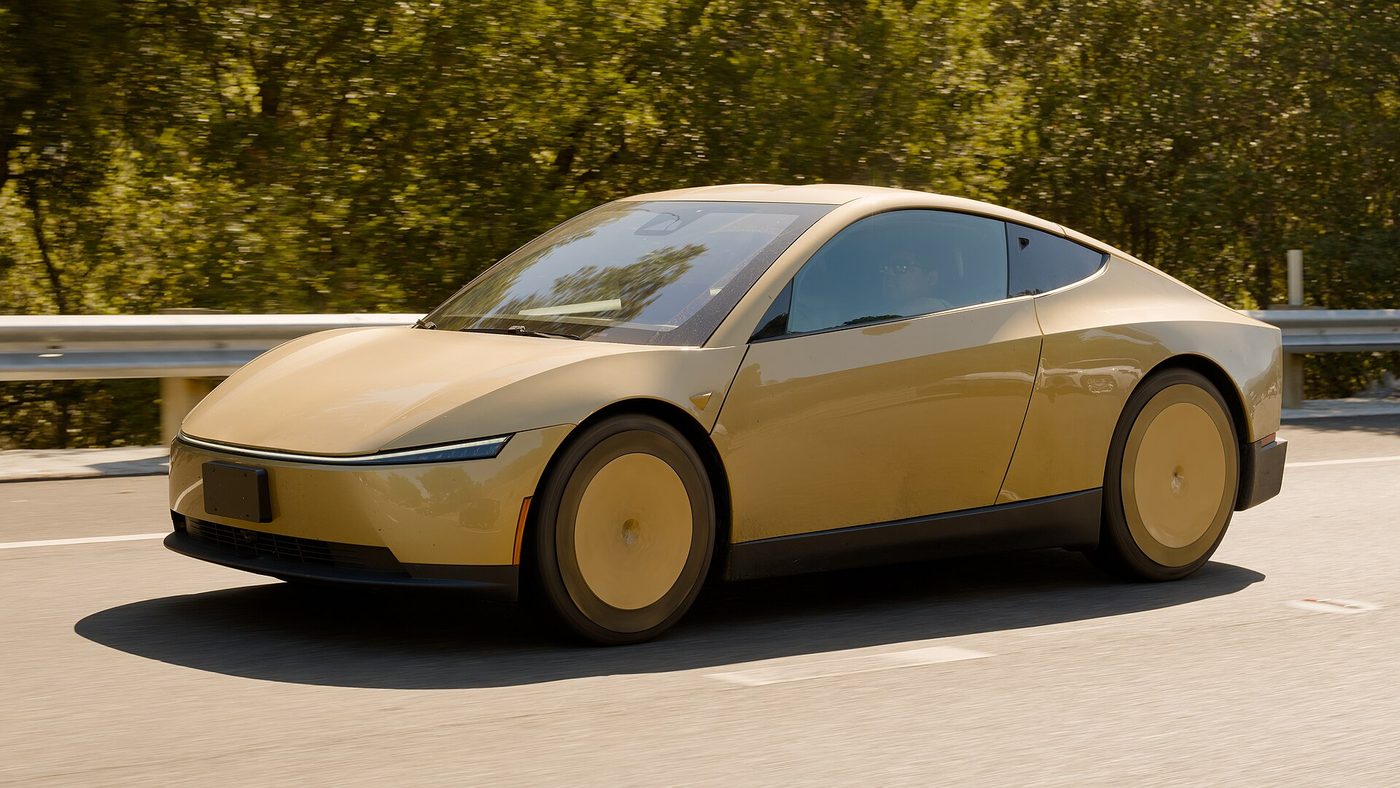
AUSTIN - Tesla has published its first public safety report for its robotaxi fleet, saying the cars drove 3.1 million miles with no safety monitor aboard between Jan. 22 and Oct. 18 with no robotaxi airbag deployments and no one injured or pedestrian or cyclist hit in any crash in which a robotaxi made first contact.
The figures appear on a new Robotaxi Safety Report page on Tesla's website, the most detailed accounting the company has given of how far its driverless cars have traveled since Jan. 22, the first day the report covers. The page also lists four cities as coming soon: Las Vegas, Jacksonville, Fla., Phoenix and San Antonio. Tesla gave no launch dates for any of them.
Austin, where the service began, accounts for 2,118,015 of the miles in the report. Dallas follows with 608,130, then Houston with 225,964, Orlando with 61,053, Tampa with 53,117 and Miami with 46,262. Tesla says 862,000 of the miles were driven after dark, 113,000 in rain and 575,000 during weekday rush hours. A live counter on the page, which Tesla says estimates mileage at the fleet's current pace, read more than 3.6 million miles on Sunday.
Tesla says the report includes every collision it filed with the National Highway Traffic Safety Administration under the agency's standing crash reporting order while a robotaxi was driving with no safety monitor in the car, including when a remote operator was assisting or had taken control. It excludes crashes and miles from rides with a monitor aboard, most of which came before Jan. 22. The page links to a download of all the reportable events.
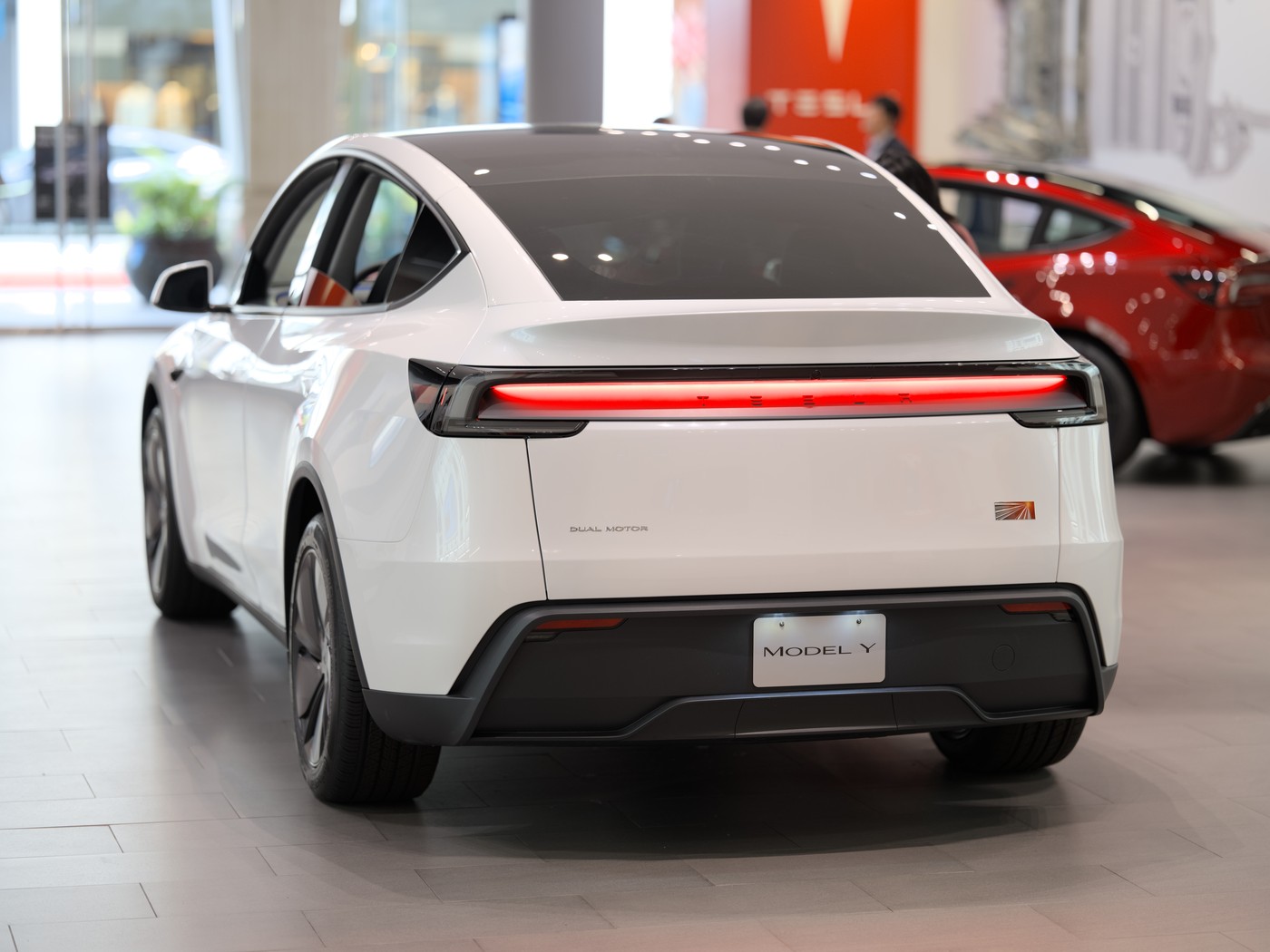
The zero counts rest on Tesla's own definitions. The company counts an injury only when a robotaxi made first contact, and it describes two reported events it left out. In one, an SUV was hit by another vehicle and pushed into a robotaxi waiting at a stop sign; nobody in the robotaxi or the SUV was hurt, but an occupant of the other vehicle was taken to a hospital. In the other, a rider claimed an injury after a robotaxi drove over a pothole, and Tesla says its investigation found no injury. An airbag also deployed in the other vehicle in the stop sign crash, but Tesla counts only the robotaxi's own airbags.
To compare its record with human drivers, Tesla used 2024 police crash data from Austin, Dallas and Houston, where its cars drove 2.95 million miles, or 95 percent of the total. It says human drivers covering the same miles would have been involved in about 9.1 collisions in which someone was hurt and about 4.1 in which their own airbag deployed, and in 0.52 collisions with a pedestrian or cyclist. Tesla notes that police reports do not record which vehicle made first contact, so the human figures count every such crash regardless of fault, and that the injury estimate adds the roughly 32 percent of injury crashes never reported to police.
The report arrives as federal regulators continue to look at the fleet. NHTSA this month opened a review covering an estimated 1,000 Model Y and Cybercab robotaxis after a petitioner submitted three videos, Driverless.news reported, and has not decided whether to open a formal investigation. The agency is also reviewing how Tesla certified the Cybercab, which has no steering wheel or pedals, and Tesla has until Oct. 30 to answer its questions.