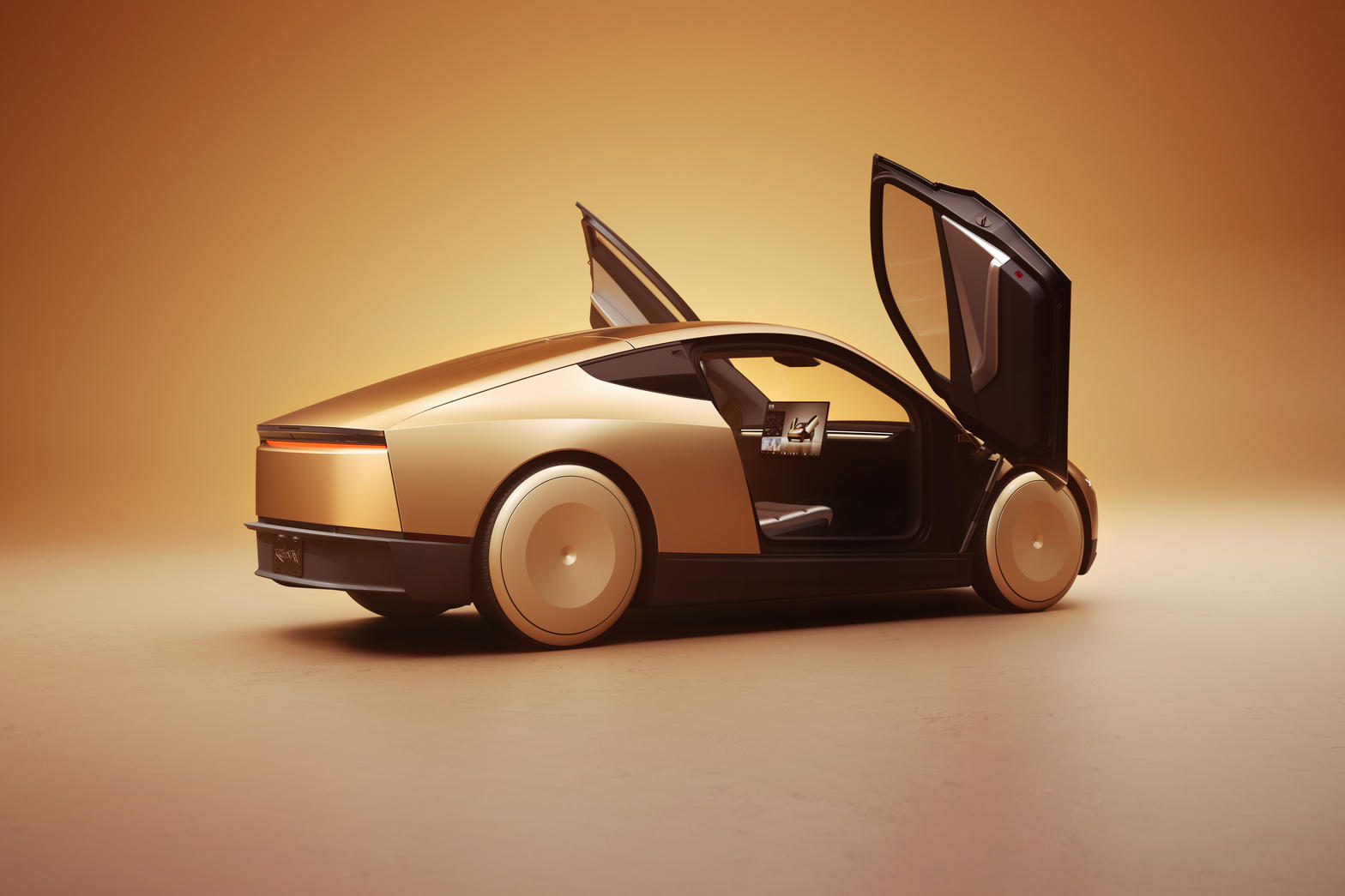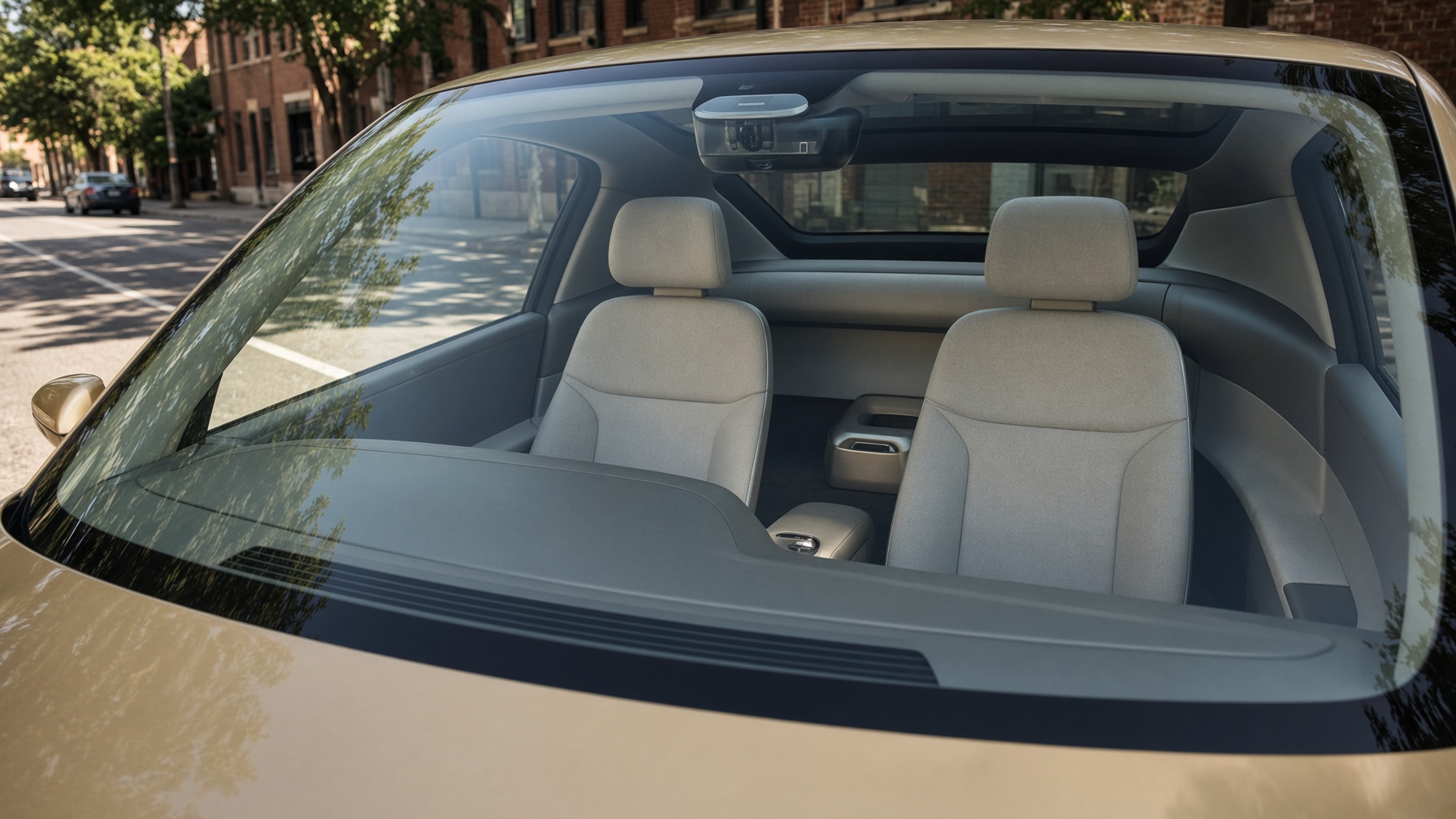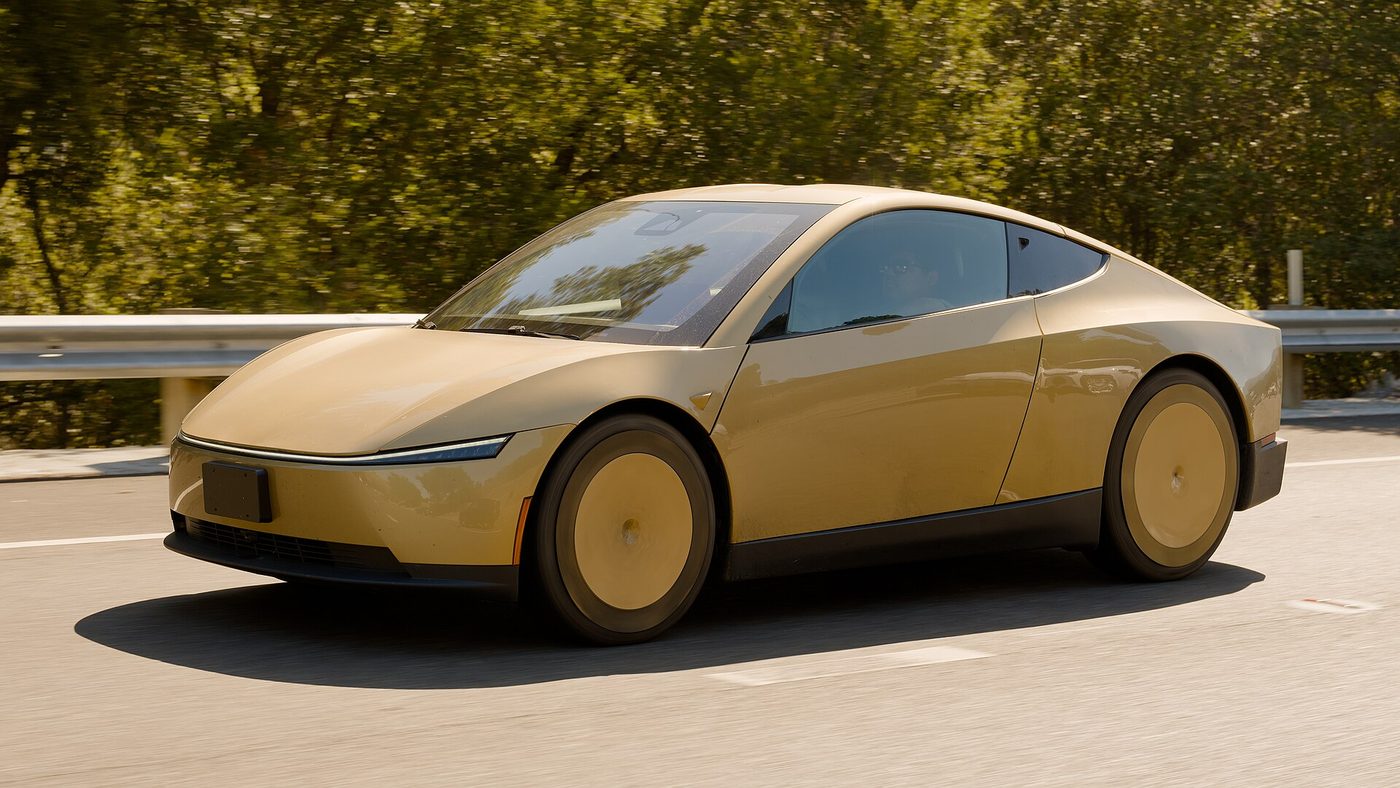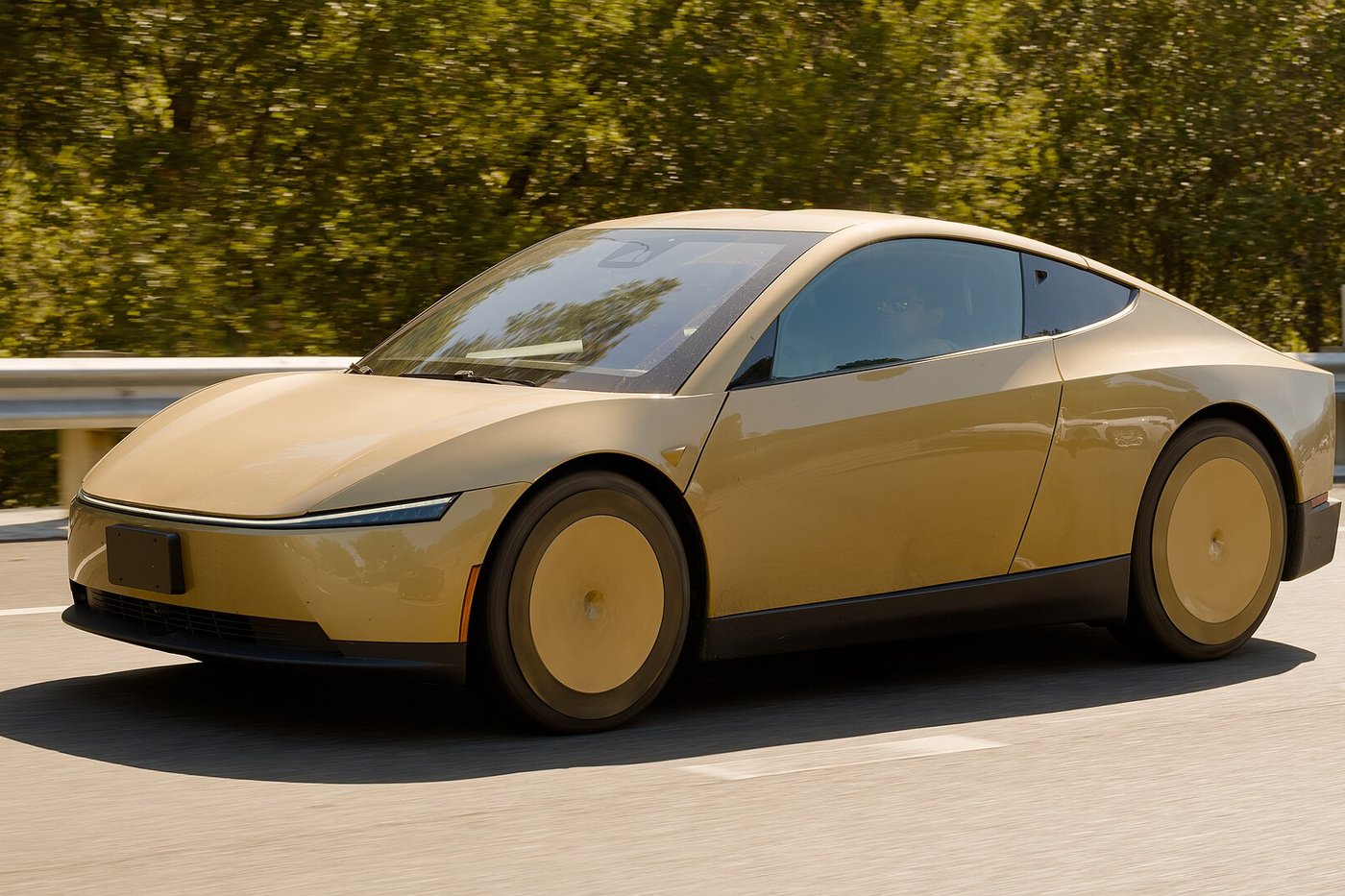
WASHINGTON - Federal safety regulators are reviewing a petition that accuses Tesla's robotaxis of driving faster than the posted limit in active school zones, adding a new line of federal scrutiny to a service that began carrying paying passengers in Cybercabs just over a month ago.
The National Highway Traffic Safety Administration's Office of Defects Investigation opened the review, designated DP26010, on Oct. 9, according to the agency's investigation records. It covers 2026 model year Tesla robotaxis, both the Model Y and the two-seat Cybercab, operating with Tesla's automated driving system engaged. The petition was filed on Sept. 23 and included links to three videos as supporting evidence, NHTSA said. Reuters and Bloomberg News reported the review on Monday.
A defect petition is a request from outside the agency for NHTSA to open an investigation. The agency said it opened the review "to evaluate the allegations and determine whether to grant or deny the petition." It has not opened a formal defect investigation and has not ordered a recall. Under federal rules, a granted petition leads to an investigation, while a denial is published with the agency's reasons in the Federal Register.
The review covers an estimated 1,000 vehicles, Bloomberg reported. The agency's failure report lists four incidents: one complaint filed directly with NHTSA and three from other sources, which Bloomberg described as social media reports included in the petition. No crashes, injuries or deaths are recorded. Tesla did not respond to Bloomberg's request for comment.
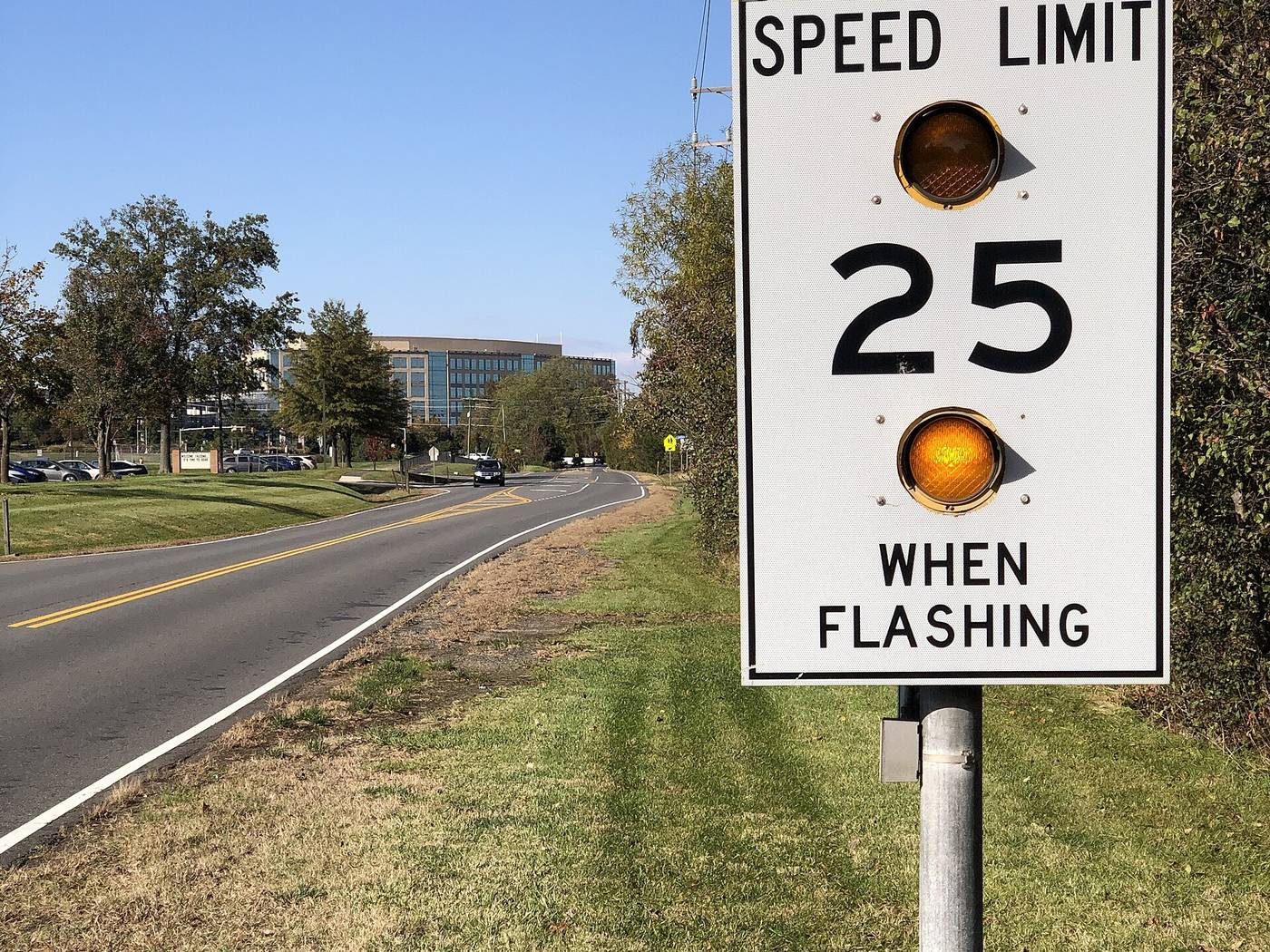
School zones are a particular test for automated driving software. Many lower limits apply only at set hours or while warning lights are flashing, so a system has to recognize not only the sign but whether the limit is in force at that moment. NHTSA's summary does not say where or when the videos were recorded.
Tesla opened paid Cybercab rides in parts of Austin, Texas, on Sept. 3, and its official Robotaxi account said on Oct. 10 that more than 300 Cybercabs now serve the city. The Cybercab has no steering wheel or foot pedals. Tesla's robotaxi service has since expanded to Dallas and Houston, Bloomberg reported.
The petition lands on top of an audit NHTSA opened on Sept. 3 into how Tesla certified the Cybercab as meeting federal motor vehicle safety standards. The agency followed with a Special Order on Sept. 10 requiring answers under oath, and Tesla's response is due Oct. 30 after NHTSA granted a 30-day extension. Separately, NHTSA has been investigating since October 2025 whether Tesla's Full Self-Driving (Supervised) software, a driver-assistance system that requires an attentive human, runs red lights and drives against traffic. That probe covers an estimated 2.9 million vehicles.
Tesla is not the first robotaxi operator questioned over its driving near schools. In January, NHTSA opened a preliminary evaluation after a Waymo vehicle struck a child within two blocks of an elementary school in Santa Monica, Calif., during drop-off hours. Waymo reported that the child suffered minor injuries. NHTSA and later the National Transportation Safety Board also opened probes after Waymo vehicles did not adequately slow or stop for school buses, Bloomberg reported.