WASHINGTON - Tesla's own filings with U.S. safety regulators show that a remote support operator, not the car's automated driving system alone, was in control when three of its Robotaxi vehicles made low-speed contact with objects in Texas, according to the National Highway Traffic Safety Administration's public Standing General Order ADS crash file verified by Driverless.news on Thursday.
The September 2026 monthly release of that file includes two August reports that Tesla coded Driver/Operator Type as "Remote (Commercial / Test)" with Engagement Status "Verified Engaged." Together with an earlier Houston filing that carries the same remote code, Tesla, Inc. has three unique Report IDs formally marked as remote operation among 36 unique Tesla ADS reports in the current file, which covers incidents through Sept. 15, 2026.
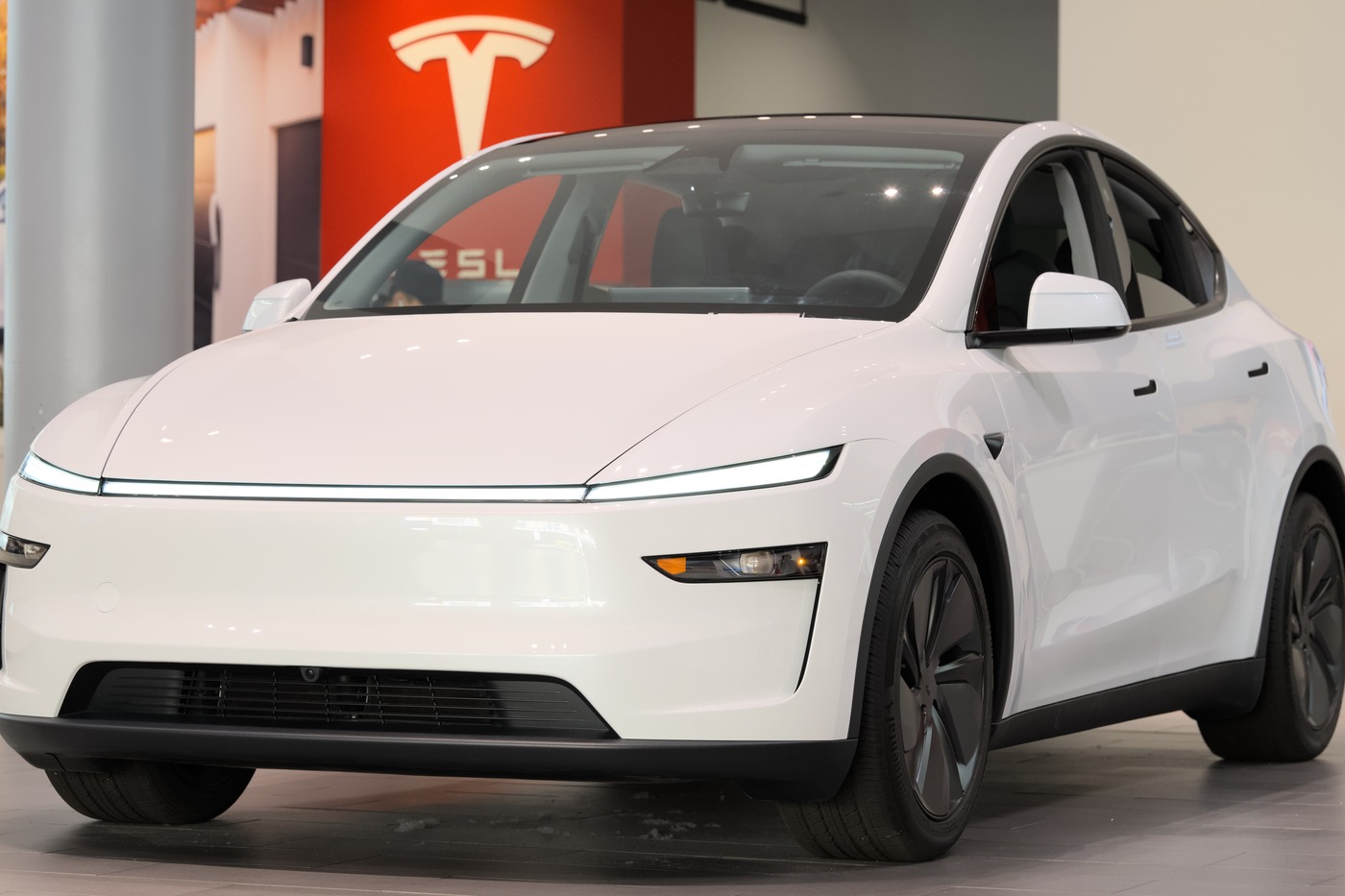
In Dallas (report 13781-16678), Tesla wrote that a 2026 Model Y was stopped on a residential street between a concrete mixer truck and a parked SUV. "The remote support operator remotely took control and while moving forward, the vehicle made contact with the SUV at approximately 0.40MPH," the narrative says. No passengers were aboard. Highest injury severity: property damage only.
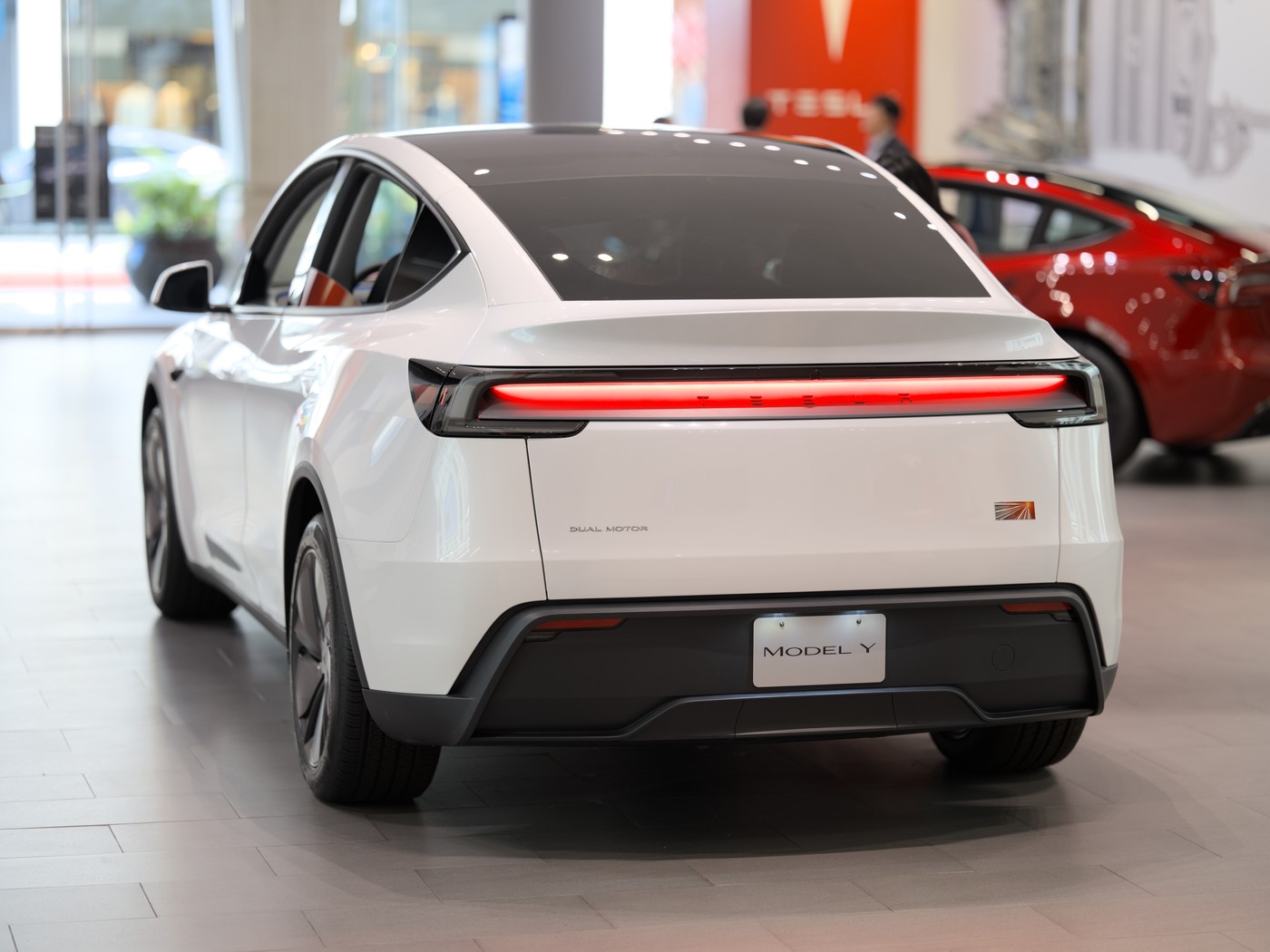
In Austin (report 13781-16679), another 2026 Model Y hit a dumpster at about 1 mph while a remote support operator "was in control" and the vehicle was proceeding straight through an alley, Tesla said. Again, no passengers; property damage only.
The third formally coded remote case is Houston report 13781-15395, from May 2026. Tesla said the ADS was stopped on a dead-end residential road, a remote assistance operator was recovering it, and the vehicle made contact with a hidden tree stump. No passengers; property damage only.
Electrek reported the two new August filings on Oct. 15 and framed a wider pattern: five Robotaxi crashes in federal data in which a remote takeover ended in contact. That "five for five" count is Electrek's analysis. It includes two older Austin narratives Tesla unredacted earlier (a fence contact and a construction-barricade contact) that are not formally coded "Remote (Commercial / Test)" in the current CSV. TSN Media separately checked the same September file and likewise found three formally coded remote cases and 36 unique Tesla Report IDs.
The records do not show how often Tesla remote operators intervene, so the filings are not a rate of remote-driving failures. They do show that when Tesla reports a Robotaxi crash under the Standing General Order and codes the operator as remote, the narrative in these three cases describes a person outside the vehicle taking control and then making contact at walking speed.
Waymo has drawn a different line in public. In a February 2026 letter to Senator Ed Markey, Waymo said it "has not used remote driving or 'tele-operations' where a human performs the Dynamic Driving Task," and that its remote staff give guidance the onboard system can accept or reject. That is Waymo's own claim, included here for contrast with Tesla's coded filings.
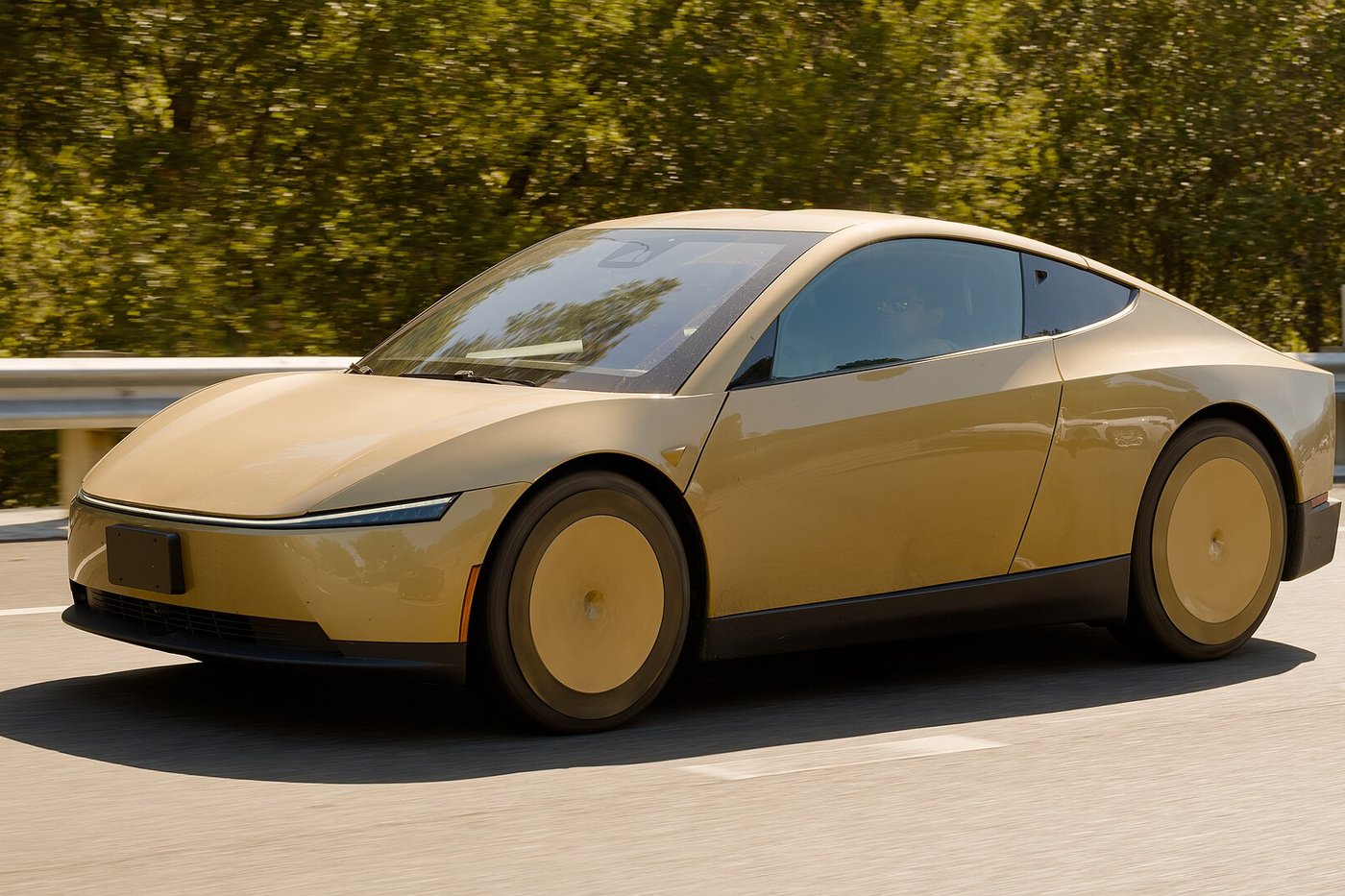
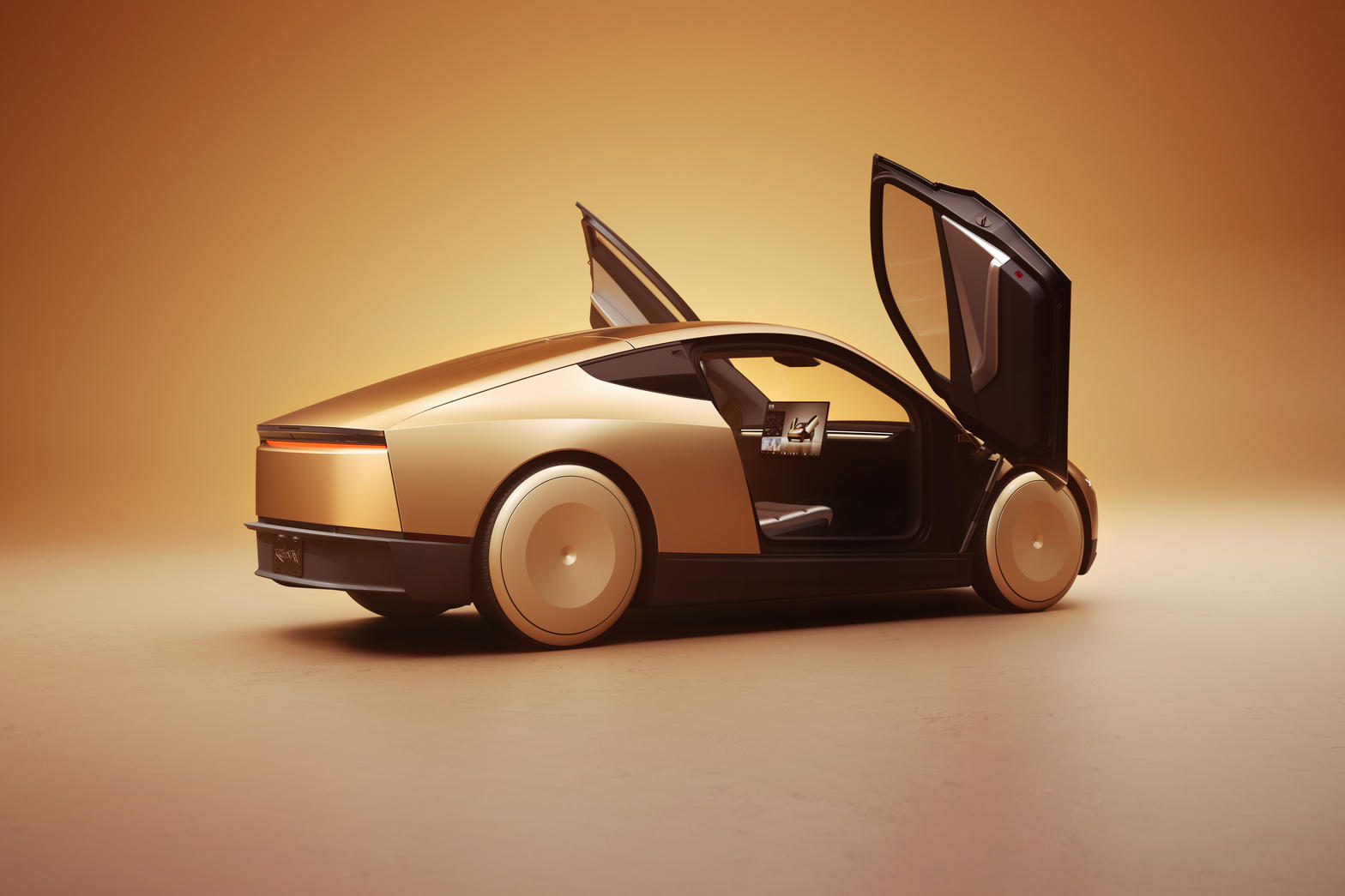
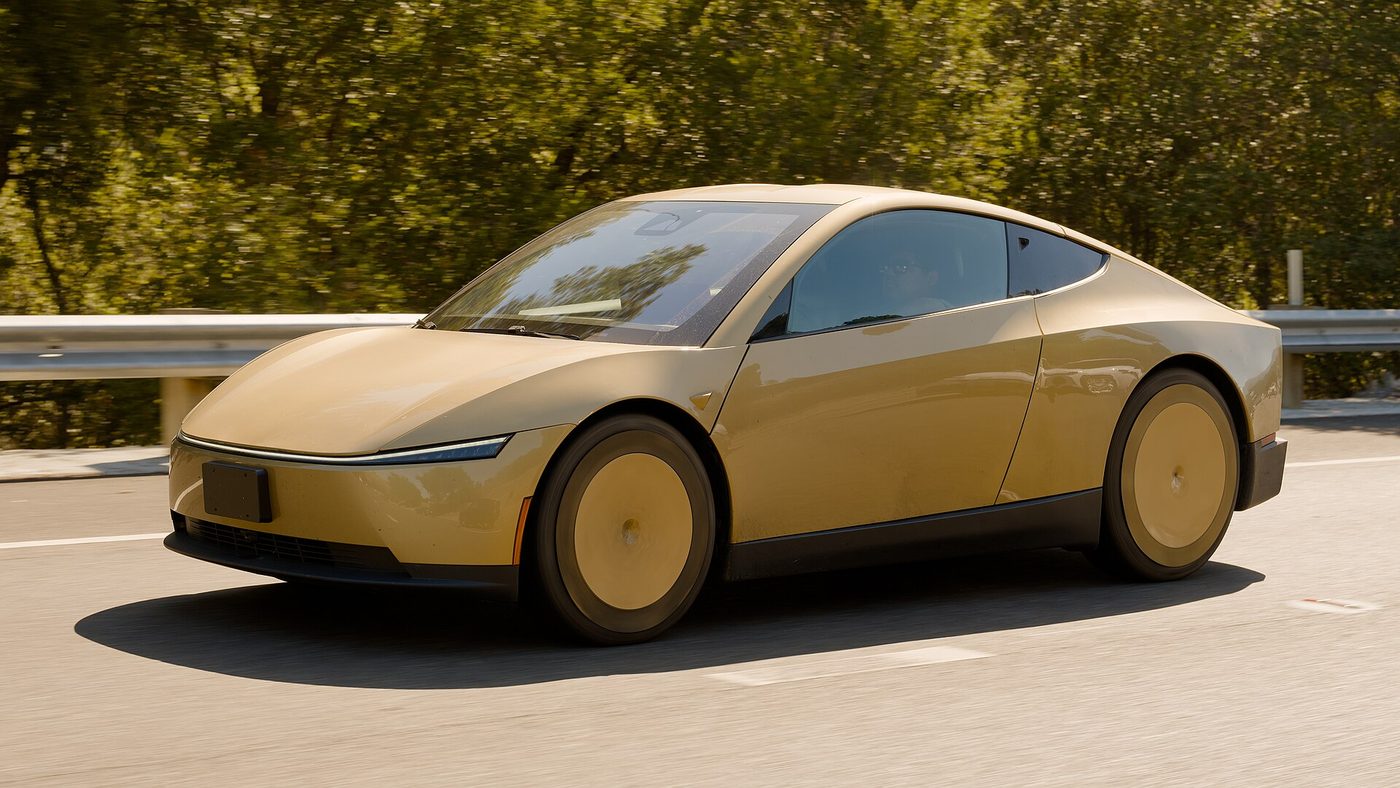
Tesla's robotaxi service now includes Model Y and Cybercab vehicles in Texas cities including Austin, Dallas and Houston. Separately, NHTSA is reviewing a petition alleging school-zone speeding by Tesla robotaxis and has a Special Order due around Oct. 30 on Cybercab self-certification. The remote-operator filings do not allege injuries or passenger risk in the three coded cases.