MINNEAPOLIS - The Minneapolis City Council on Thursday failed to override Mayor Jacob Frey's veto of an ordinance that would have required a licensed human monitor in the driver's seat of every robotaxi operating in the city, leaving Waymo and other companies free of the rule for now.
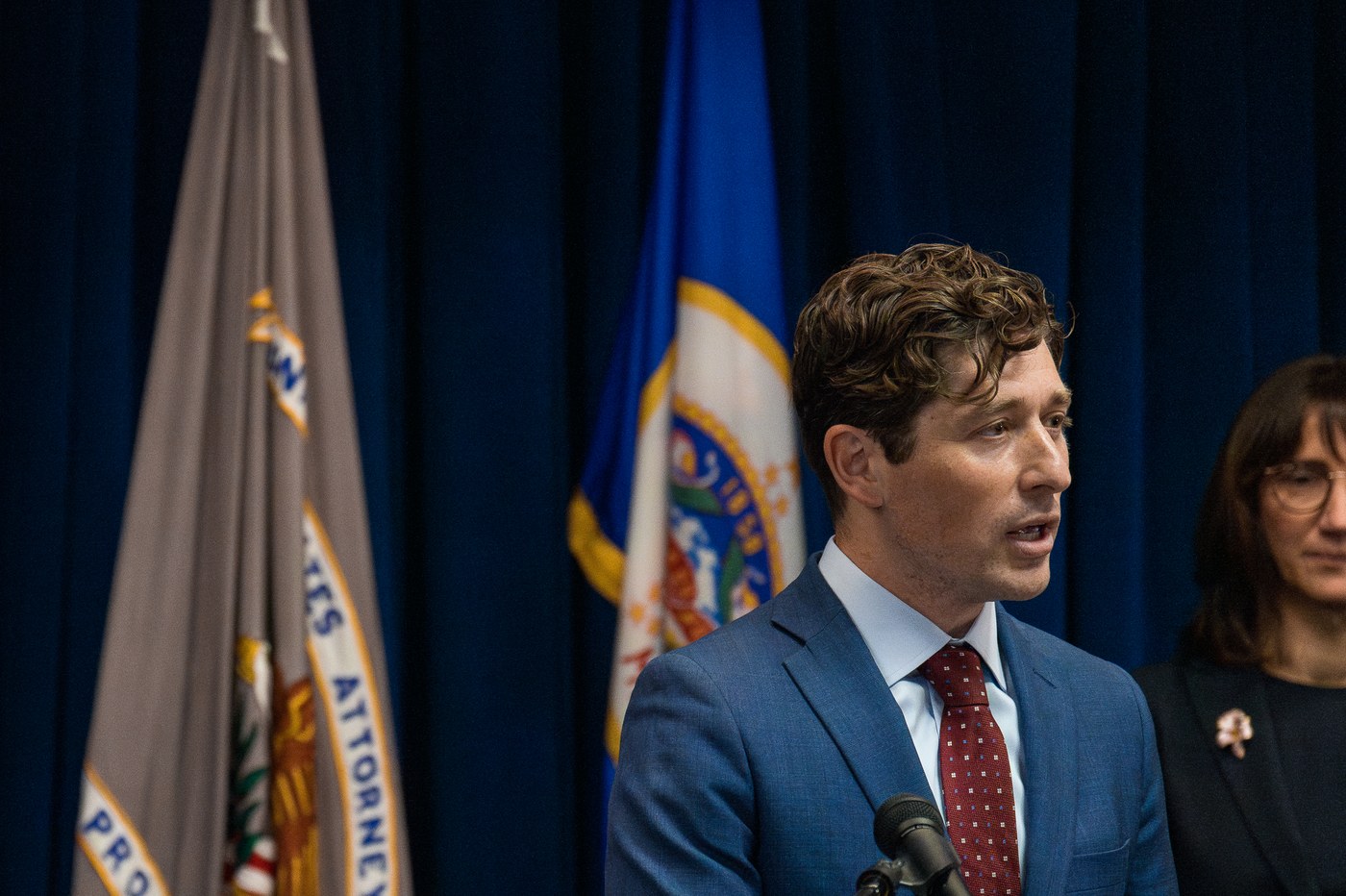
Seven council members voted to override and five voted against, two short of the nine votes needed on the 13-member council, CBS News Minnesota and KSTP reported. The measure, called Workers Drive Minneapolis, had passed 7-6 on Oct. 1. Frey vetoed it the next day, calling it a "back door ban" in a letter to council members.
The ordinance would have required robotaxi companies to hold a city license and to keep a safety monitor with a driver's license in each vehicle, with immediate access to "steering, braking, and acceleration," FOX 9 reported. The monitor would have been paid at least the minimum wage. The rules were not set to take effect until October 2027, a delay its backers said would give the state time to write its own, according to the Minnesota Star Tribune. FOX 9 reported that the measure would have made Minneapolis the first U.S. city to require a person in the driver's seat of a robotaxi.
Its four authors, council members Robin Wonsley, Jamal Osman, Jason Chavez and Aurin Chowdhury, said they would try again. "Immediately following the vote, we gave notice that we are re-starting the legislative process to pass regulations on robotaxis," they said in a statement reported by KARE 11. "We are committed to holding Big Tech accountable and putting workers and local government in the driver's seat."
Wonsley, who represents Ward 2, called the veto a "win" for Google, Elon Musk and Jeff Bezos, WCCO Radio reported. "We do still have thousands of working class families who are going to have conversations in the weeks or months about what they will do or how they will make ends meet if a bread winner loses their income to a driverless robotaxi," she said. She has said robotaxis would take income from about 10,000 people in the Twin Cities who drive for rideshare companies, according to KARE 11.
Frey has argued that a human monitor would undo the reasons many riders choose a driverless car. "Requiring a human monitor in AV ride share cancels out the benefits for riders who prefer a driverless vehicle for safety and reliability," he wrote in his veto letter, pointing to testimony from disabled riders whose trips had been canceled over service animals or wheelchairs and from people worried about assaults in rideshare vehicles. A spokesperson has said the mayor wants the state to take the lead on regulating the technology, MPR News reported.
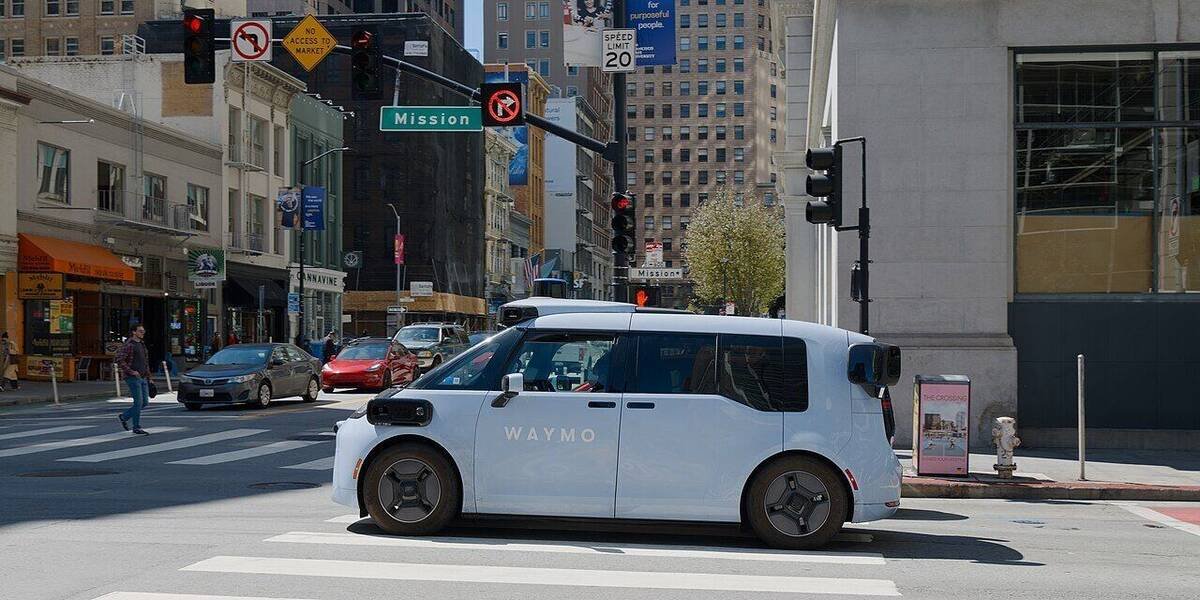
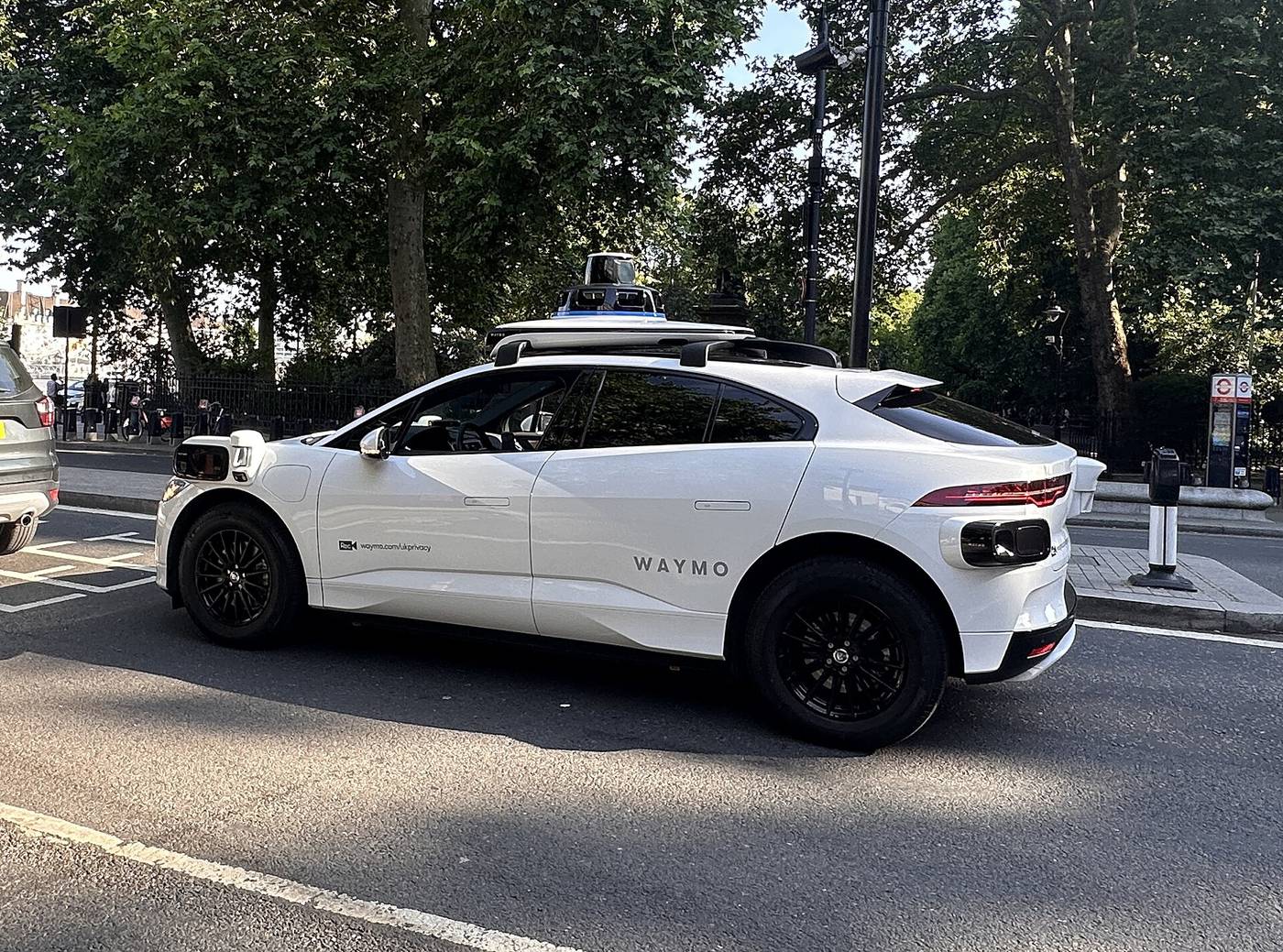
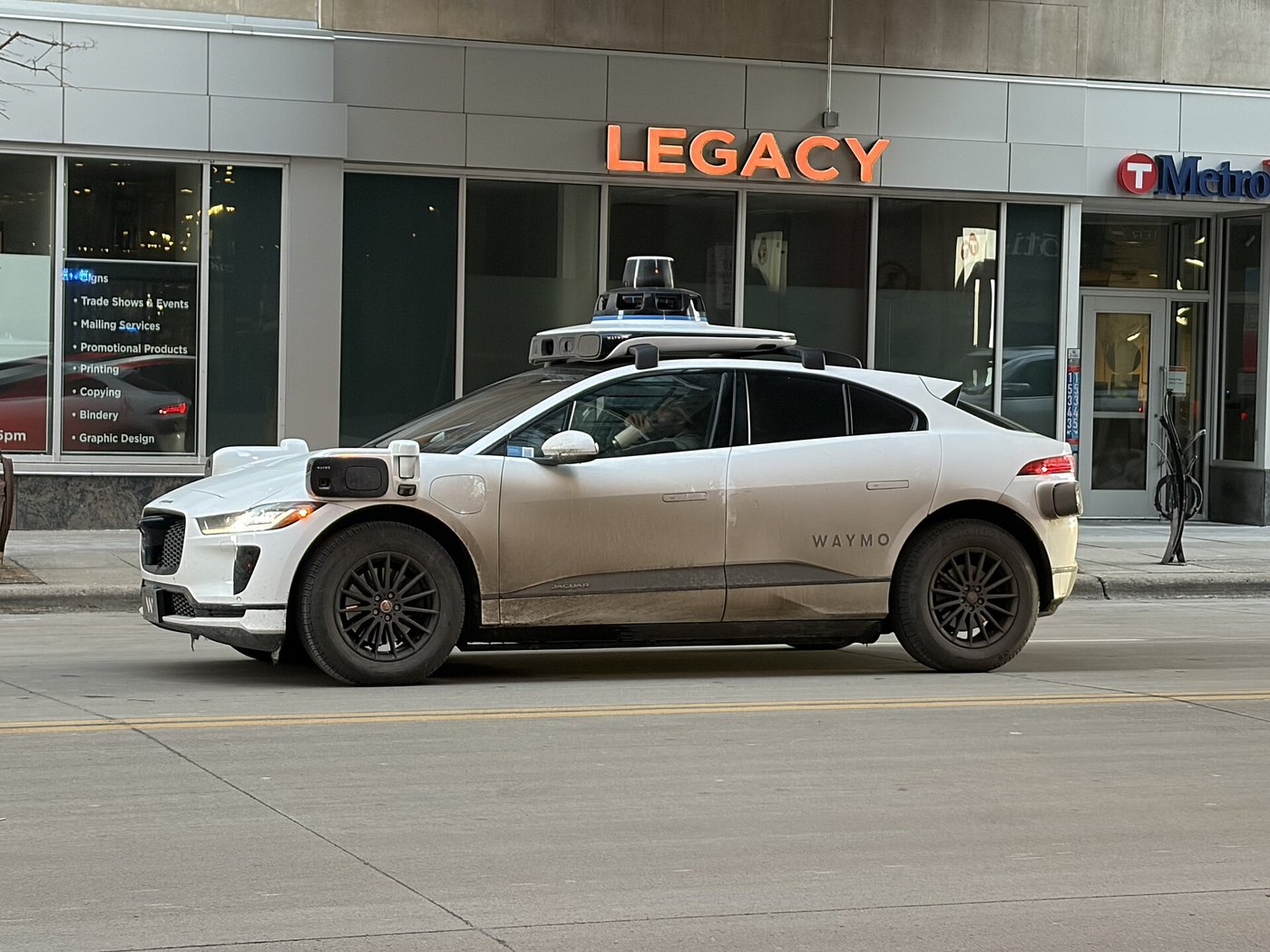
Waymo, which began testing and mapping in Minneapolis in November 2025, is not yet carrying passengers there, KARE 11 reported. Adam Lane, the company's state and local public policy manager, had told the station that "the proposed framework is a de facto ban on autonomous vehicles." Waymo has said the requirement would be unprecedented among the 15 cities where it operates, according to CBS News Minnesota. KSTP reported that the ordinance would also have applied to Tesla and Zoox.
The fight is spreading across the river. On Wednesday the St. Paul City Council unanimously passed a resolution directing the city's planning commission to study how driverless rideshare services could affect safety, data sharing and worker protections before any arrive, WCCO Radio reported. Council President Rebecca Noecker said the city wanted "to dig into the data and not just take these companies' word for it."
Minnesota law is silent on whether autonomous vehicles can be tested or driven in the state, the Star Tribune reported. Lawmakers debated statewide rules this spring but did not pass a bill.