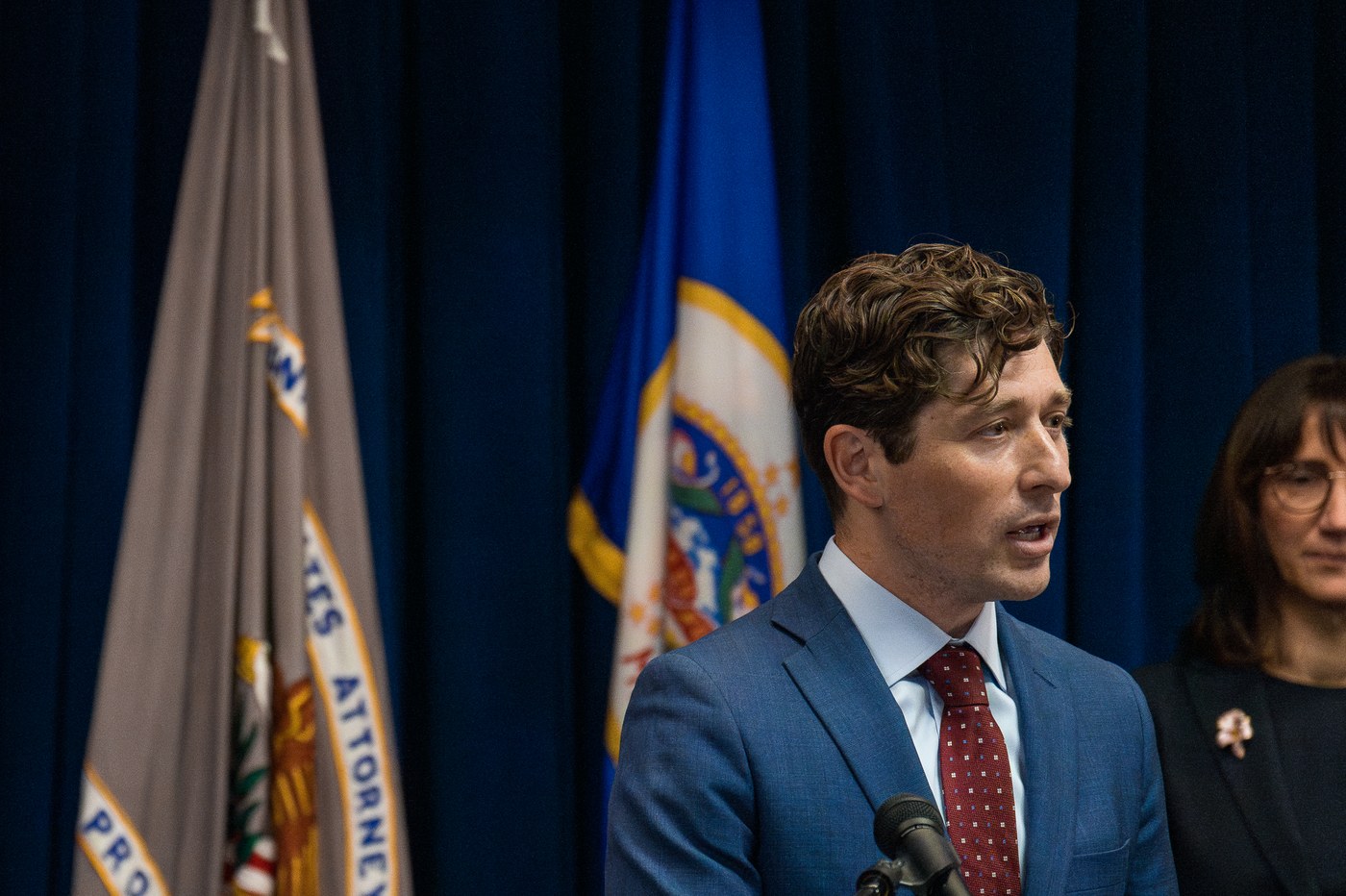
MINNEAPOLIS - Mayor Jacob Frey on Friday vetoed an ordinance that would have required a licensed human safety monitor inside driverless rideshare vehicles operating in the city, one day after the City Council approved the measure on a 7-6 vote, according to a veto letter he sent to council members.
In the Oct. 2 letter on Council Action 2026-034, Frey wrote that local governments "should have a role in regulating autonomous vehicles (AV) for ride share," but said the ordinance ignored the operational questions the city should be taking up, including curbside management, emergency response, traffic enforcement, liability and insurance, and privacy and data reporting. "I cannot support a back door ban that belies our progressive tradition in Minneapolis," he wrote.
Frey also argued that a human monitor would erase the reasons some residents want the service. "Requiring a human monitor in AV ride share cancels out the benefits for riders who prefer a driverless vehicle for safety and reliability," he wrote, pointing to testimony from disabled riders whose trips had been canceled over service animals or wheelchairs, from people worried about assaults in rideshare vehicles and from parents who want another way to send children to school. He said he was ready to work with the council on an ordinance that addresses "both safety concerns and practicalities of AV ride share."
The measure, called Workers Drive Minneapolis, would have required a licensed monitor in the driver's seat of fare-paying autonomous rides, paid at least the minimum wage, starting in October 2027, MPR News reported. Supporters cast it as protection for the city's rideshare drivers, a majority of whom are immigrants, according to state data cited by MPR.
The ordinance's authors, council members Robin Wonsley, Jason Chavez and Aurin Chowdhury and Council Vice President Jamal Osman, answered the veto with a call for an override, KSTP reported. "Mayor Frey's veto means Minneapolis residents and workers have no protections from AI robotaxis owned by Tesla, Amazon and Google," they said in a statement, arguing the rules would protect workers "instead of relying on outsourcing safety controls to workers in the Philippines."
An override would take nine votes on the 13-member council. Council President Elliott Payne, Osman, Aisha Chughtai, Wonsley, Soren Stevenson, Chavez and Chowdhury voted for the ordinance on Thursday, while Michael Rainville, LaTrisha Vetaw, Pearll Warren, Elizabeth Shaffer, Jamison Whiting and Linea Palmisano voted against it, CBS News Minnesota reported. Supporters would need to win over at least two members who voted no.
"It doesn't make sense to require a driver in a driverless car," Frey told FOX 9 on Friday. "The whole model is autonomous, and it doesn't need a driver in it." He said the city should allow the technology while regulating it to make sure it is safe and works well in Minneapolis.
Waymo, which has been testing in the Twin Cities with humans behind the wheel and is not yet carrying customers, has said the ordinance goes too far and would limit its ability to operate in the city, according to MPR News. KSTP reported that Waymo was among opponents who said the rule would effectively push robotaxis out of Minneapolis.
A report from city legislative staff on the robotaxi industry and its possible effects on Minneapolis is due to the council's zoning committee on Monday, MPR News reported. Minnesota lawmakers debated statewide autonomous vehicle rules this spring but did not pass a bill, and a Frey spokesperson has said the mayor wants the state to take the lead.