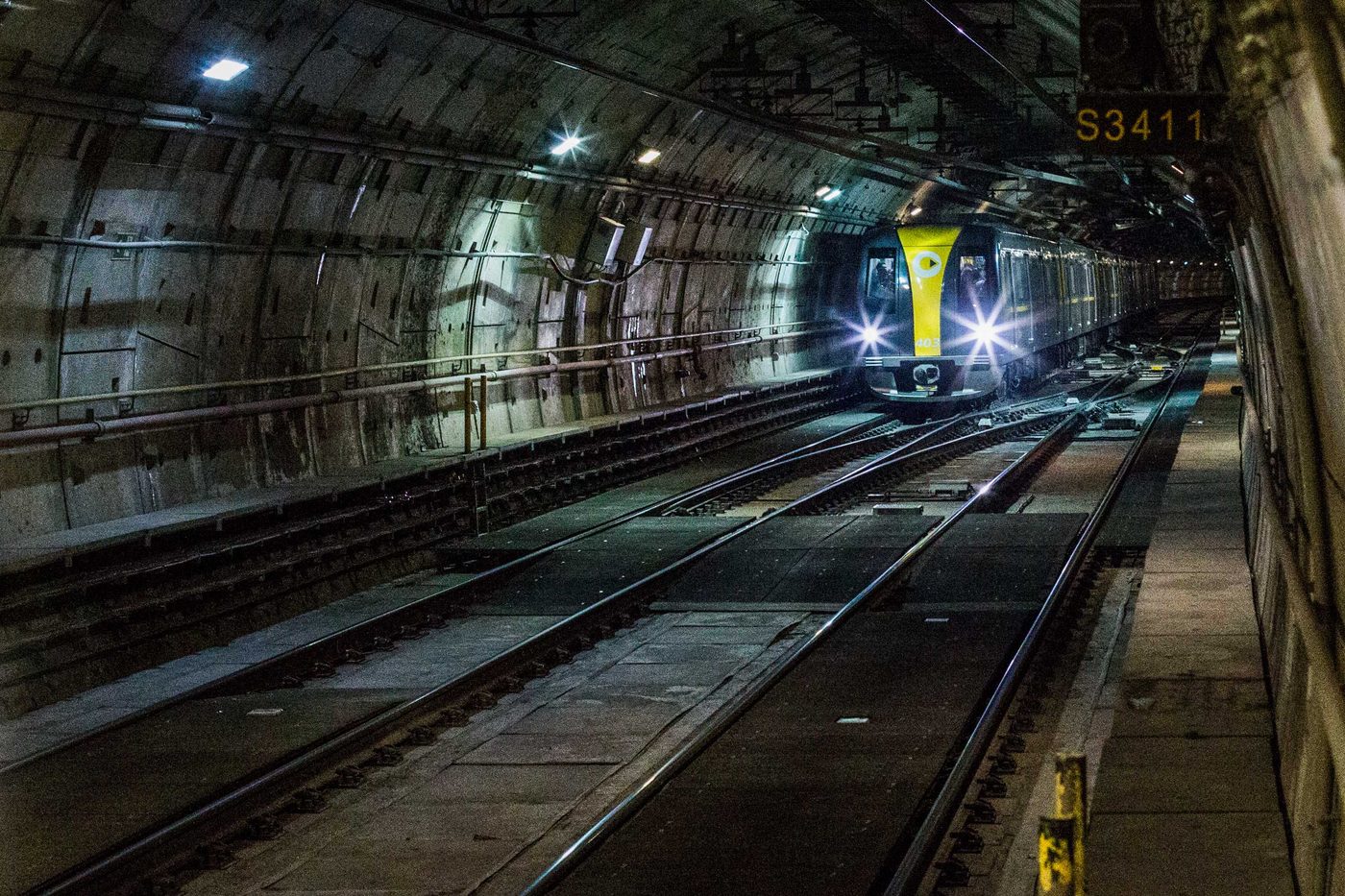
SÃO PAULO - Did you know that the first driverless metro line in Latin America runs beneath São Paulo? On 25 May 2010, the state's governor, Alberto Goldman, opened the first 3.6-kilometer stretch of Line 4-Yellow, between Paulista and Faria Lima stations, and its trains set off with no one at the controls. They have run that way ever since.
The trains had no drivers and were operated from a distance, a technology new to Brazil, the news site G1 reported that day. There was no cab at the front of each train; that space was left open to passengers, who could stand at the window and see everything ahead. "It is the most modern line in the world," Goldman said at the inauguration ceremony, O Globo reported.
Siemens, which supplied the automatic train control system, said at the time that São Paulo had become the first city in Latin America with a metro that runs without a driver. Its Trainguard MT system, a communications-based train control developed in France, uses equipment on the track and aboard each train to drive it fully automatically, with no operator on board, the company said. Siemens has since described Line 4 as Latin America's first fully automated metro line at GoA4, the highest grade of automation. In July, announcing a contract for the line's next extension, Marc Ludwig, chief executive of rail infrastructure at Siemens Mobility, called it "Latin America's first fully automated, driverless metro."
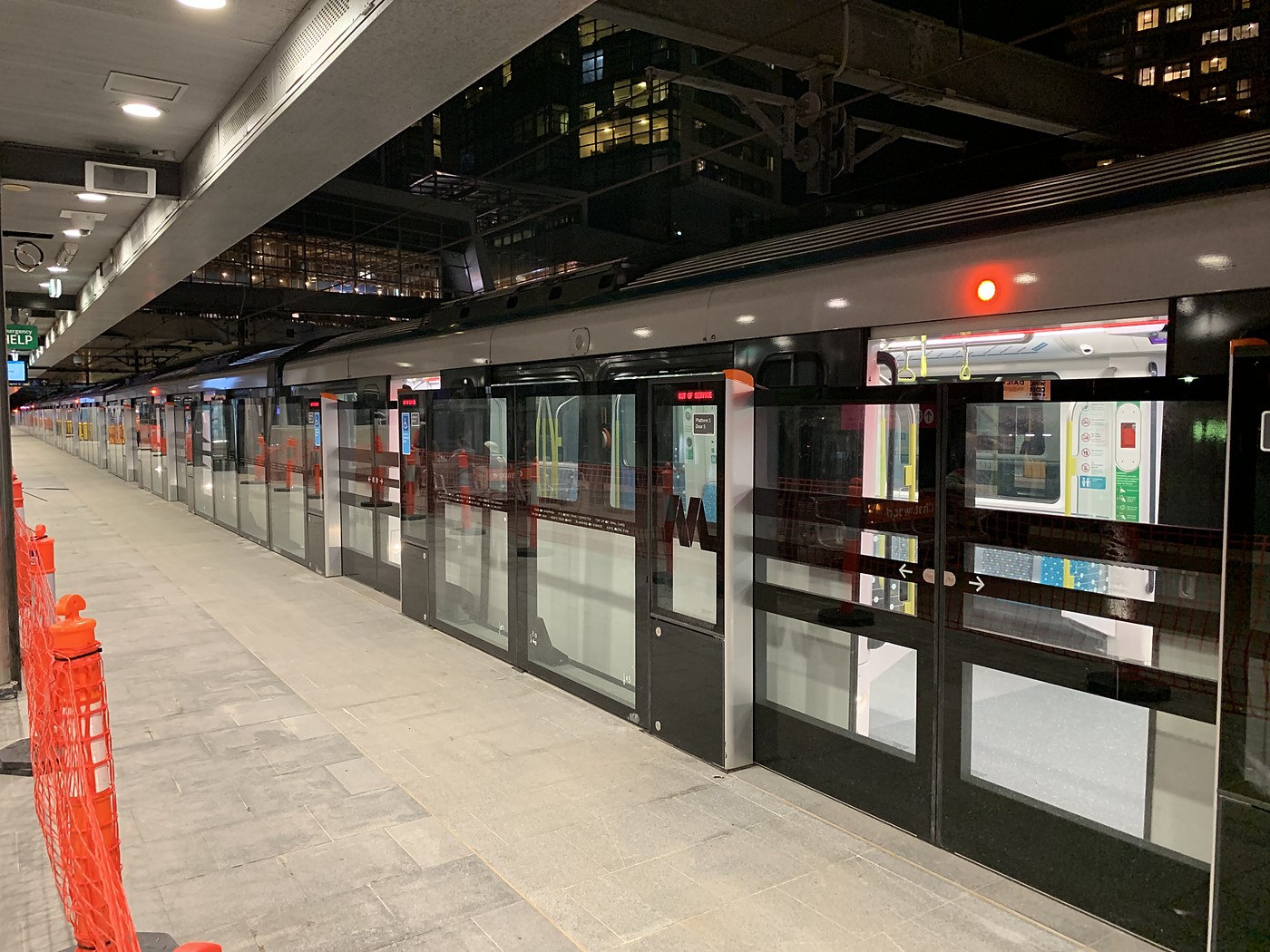
The start was modest. Three trains were equipped for the opening and shuttled between the two stations, Siemens said. Railway Gazette reported that a free service would run on weekdays from 9 a.m. to 3 p.m. until paid operation began, and that the intermediate stations at Fradique Coutinho and Oscar Freire were not yet open. Glass platform screen doors, which open only when a train has stopped in line with them, sealed off the tracks, and getting driverless trains to stop in exactly the right spot was one reason the opening slipped by two months, UOL Notícias reported.
It was a long road. Construction began in March 2004, and by opening day the line was two years behind schedule, UOL reported. In January 2007, a cave-in at the Pinheiros station construction site opened a crater more than 80 meters across and killed seven people. Line 4 was also the first in São Paulo's metro to be run by a private company: ViaQuatro, part of the CCR group, which holds a 30-year concession under what Railway Gazette called Brazil's first public-private partnership project.
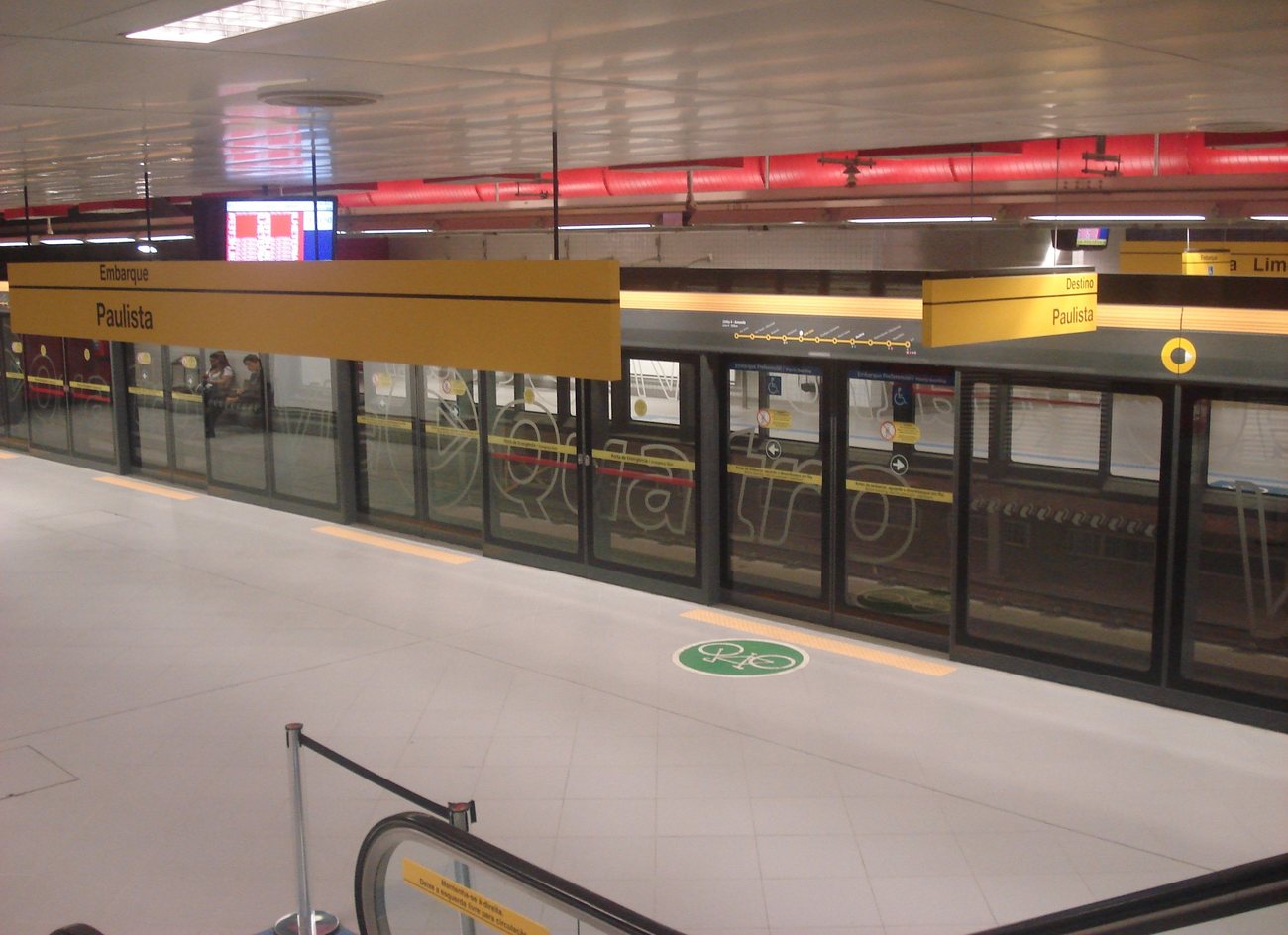
The rest of the line came in pieces. Butantã, Pinheiros, República and Luz stations opened in 2011. The last station, Vila Sônia, opened on 17 December 2021, seven years late and 17 years after construction began, G1 reported, and the delays left the state government owing ViaQuatro a penalty of 700 million reais. Line 4 now runs 12.8 kilometers through 11 stations, from Luz in the city center to Vila Sônia, with a fleet of 29 six-car trains built by Hyundai Rotem in South Korea.
It carries a heavy load for a line with no drivers. Siemens says Line 4 moves around 740,000 passengers a day, with trains as little as 90 seconds apart and punctuality and availability close to 100 percent. By the time Vila Sônia opened, the line had carried more than 1.5 billion people, G1 reported. Trains run every day from 4:40 a.m. to midnight, according to the concessionaire, now called Motiva Linha Quatro.
It is growing again. In July, Siemens said Motiva had chosen it to equip a 3.3-kilometer extension in double-track tunnels from Vila Sônia to two new stations, Chácara do Jockey and Taboão da Serra, bringing the line to 16.1 kilometers. Taboão da Serra will be the first São Paulo Metro station outside the city limits, and the extension is expected to serve about 110,000 passengers a day.
More than 16 years after the first run from Paulista to Faria Lima, the front window of a Line 4 train still belongs to the passengers.