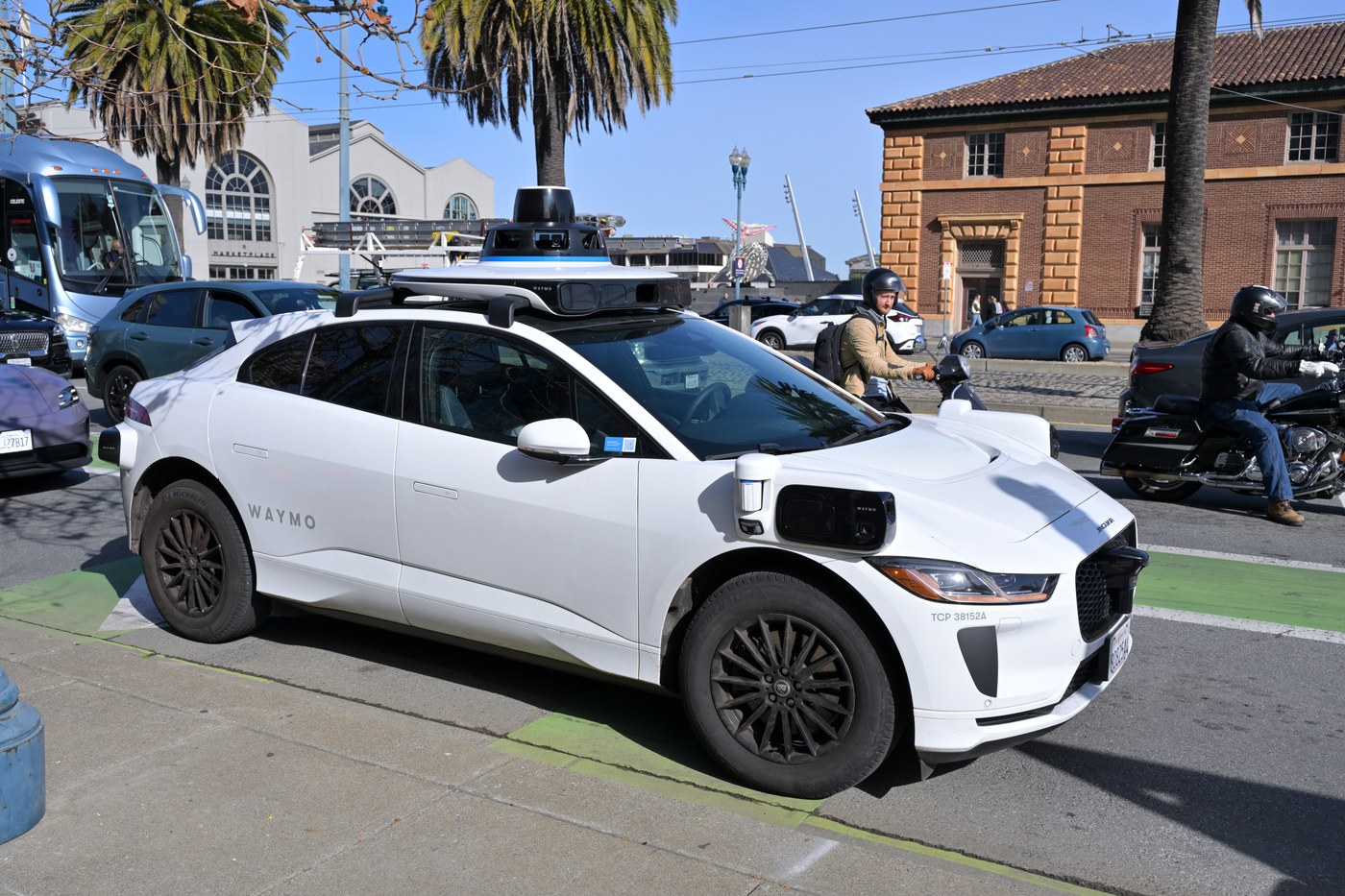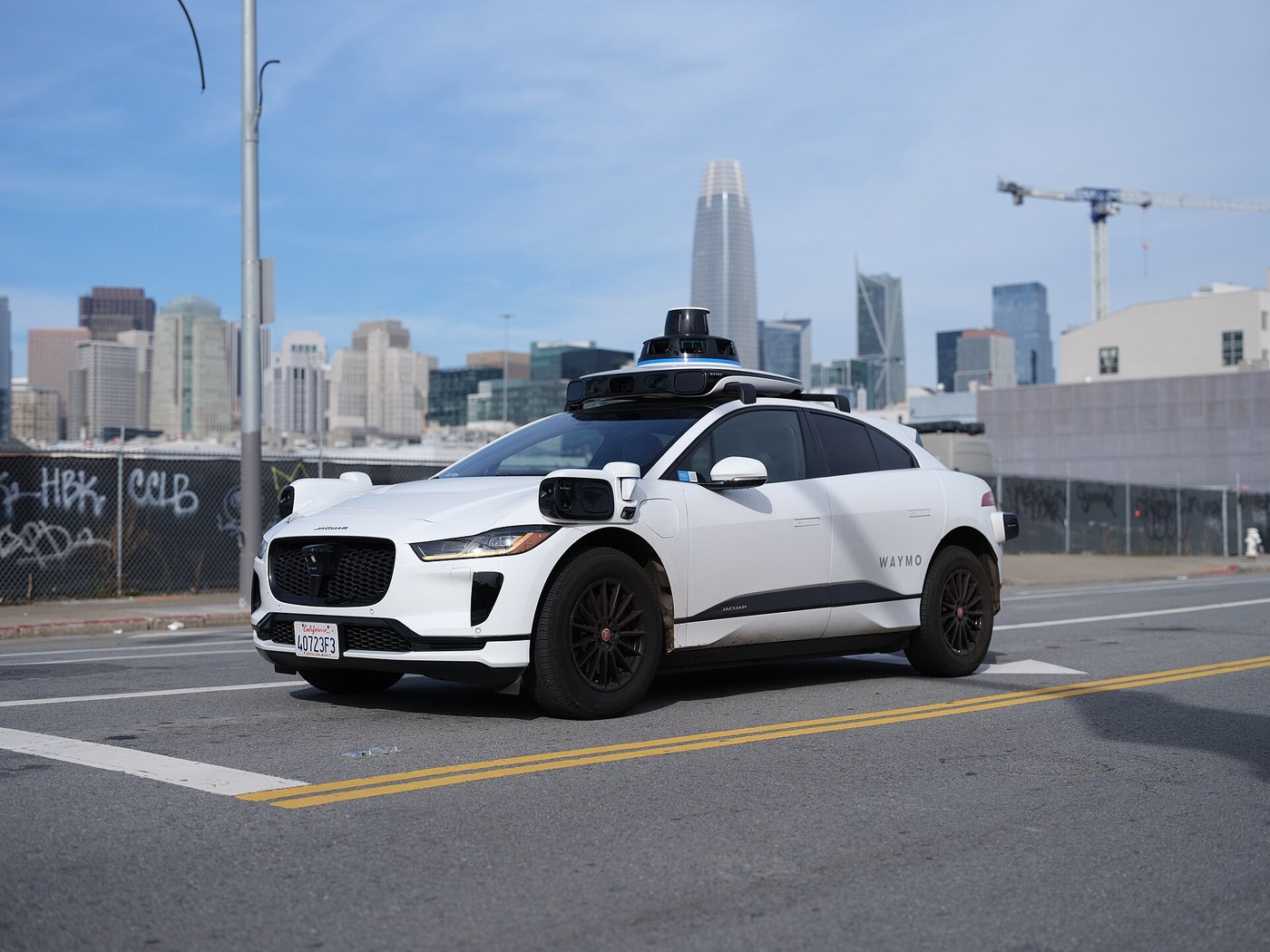
DENVER - Police in Denver have no way to give a traffic ticket to a driverless Waymo that breaks the law, and a Colorado lawmaker said she would bring a bill next year to make the company answer for moving violations, Westword reported on Tuesday.
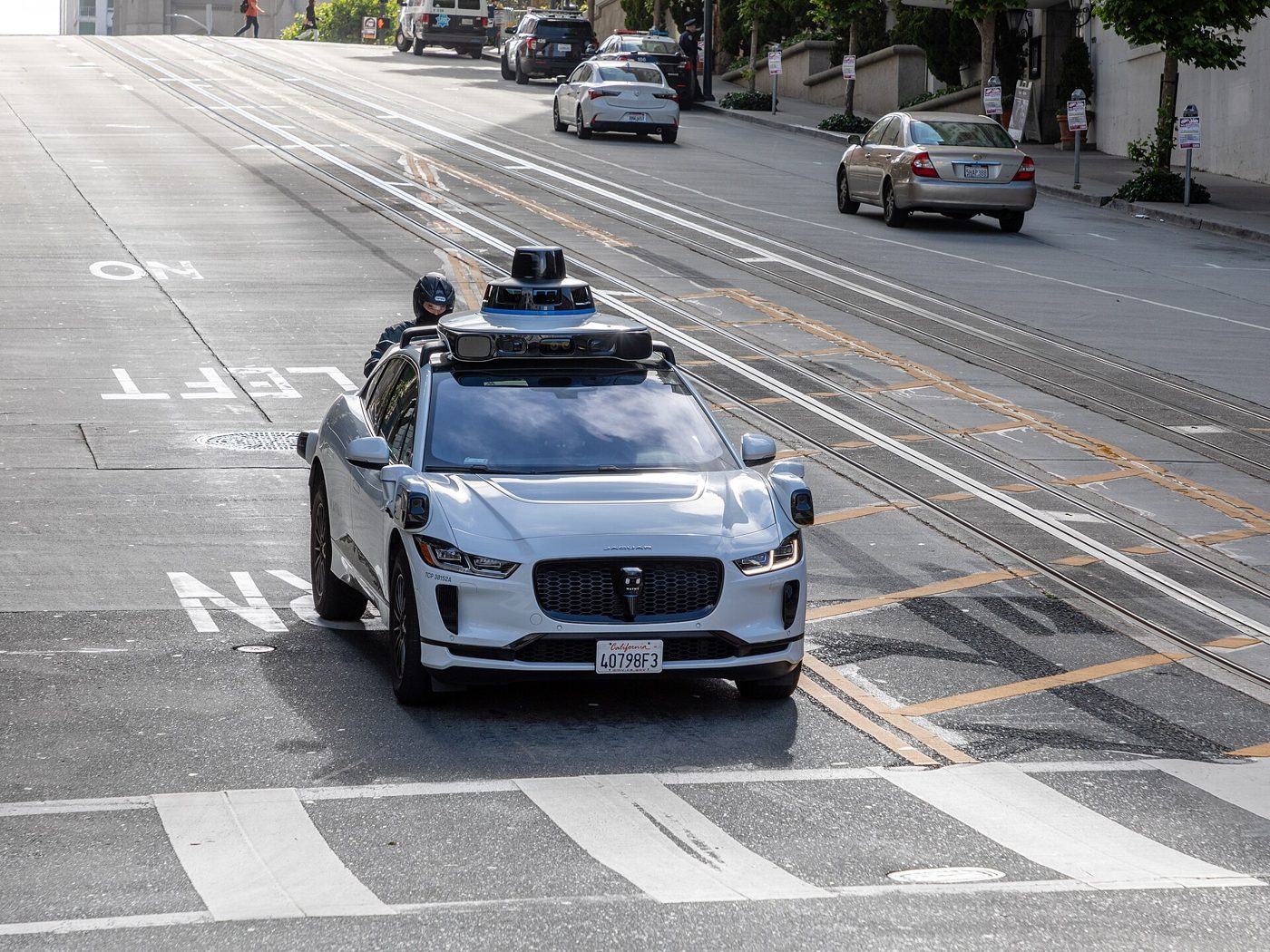
Colorado law provides no mechanism to cite driverless cars for moving violations, the Denver Police Department told Westword. Waymo vehicles are designed to pull over for police and emergency vehicles, but once they stop there is no one behind the wheel to receive a ticket. Parking violations are issued to vehicles rather than drivers, so those can still be written to Waymos, according to the Denver Department of Transportation and Infrastructure.
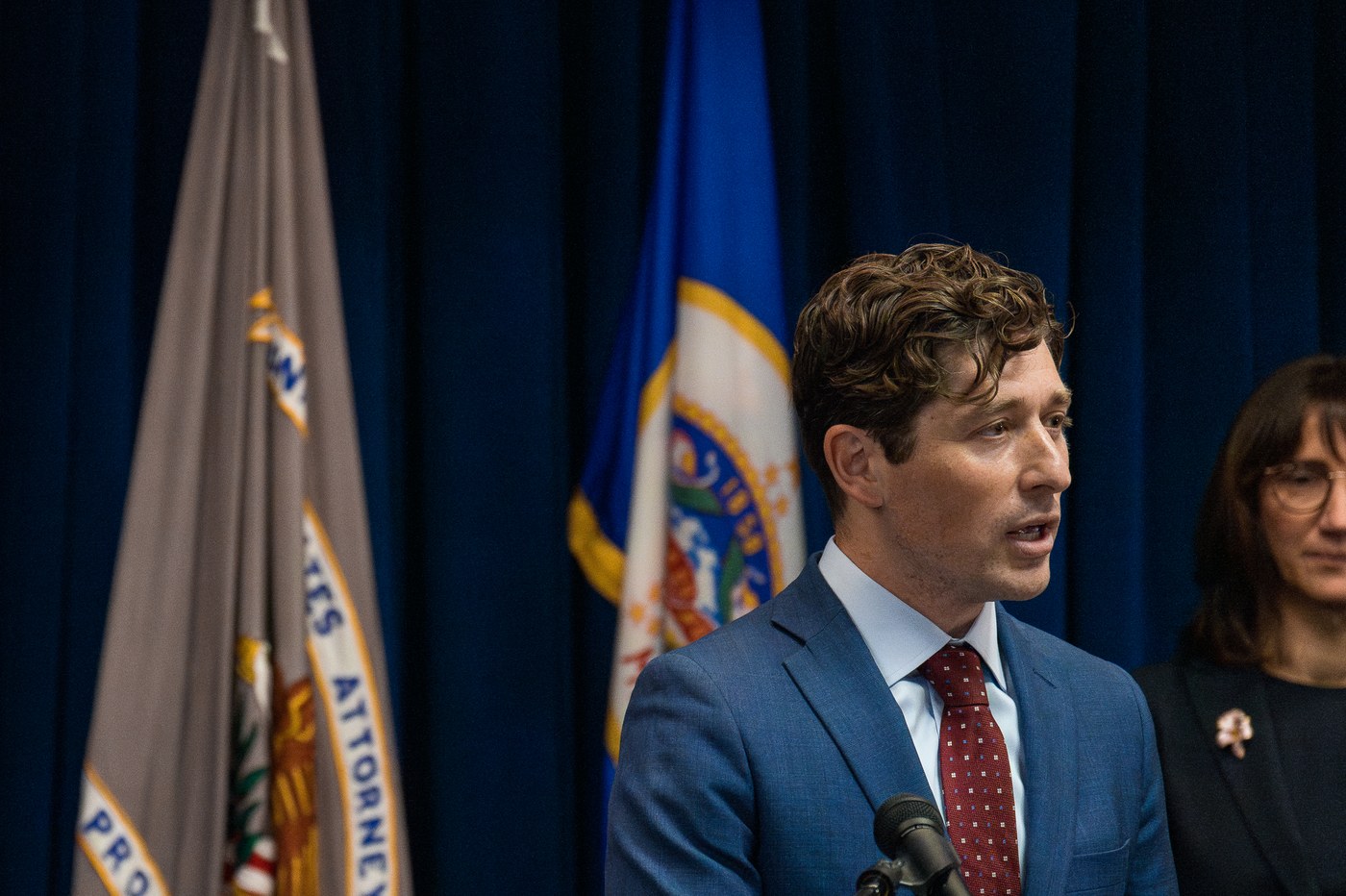
"We need to make sure that the company is held accountable in the same way that individuals are held accountable when they break the law," said State Rep. Jenny Willford, who told Westword she plans to lead a bill on autonomous vehicles in the 2027 legislative session, which begins on Jan. 11. She said the bill would create a way to issue citations, set up a licensing category for self-driving taxis under the Colorado Public Utilities Commission, make clear that the commission oversees the companies and set rules for how data is kept and stored. The details are still being worked out.
Waymo opened its Denver service to the public on Sept. 1. An empty Waymo drove into the South Pearl Street Farmers Market on Sept. 20, passing signs saying the road was closed to the public, before staff guided it back onto the street, Westword reported. On Sept. 24, another drove into a construction zone and nearly onto freshly paved road until crew members stood in front of it. Denver police have reported one collision involving a Waymo, on Aug. 27, when a human driver rear-ended a stopped car and pushed it into the back of a stopped Waymo. The Waymo was found not at fault, and the driver was cited for following too closely.
Ms. Willford said she had considered autonomous vehicle rules during the last session but that Gov. Jared Polis opposed them. "The governor was very, very, very opposed to doing anything connected to Waymo," she said. Eric Maruyama, a spokesman for Mr. Polis, disputed that account, saying the governor "didn't see any bills on that topic" and was open to "ensuring that Waymo and other autonomous vehicles follow the rules of the road just like every other driver."
Mr. Polis did veto a separate measure last session. House Bill 26-1286 would have required a human driver to be present when an automated driving system operates a commercial vehicle weighing more than 26,001 pounds, and it passed with the support of 86 of 100 legislators, Westword reported. In his veto letter, the governor wrote that the bill "risks preventing Coloradans from being on the cutting edge of innovation that would improve safety in the future." Mr. Polis is term-limited and leaves office in January, so his successor will decide the fate of Ms. Willford's bill.
The gap dates to Senate Bill 17-213, the 2017 law that authorized fully autonomous vehicles in Colorado. It required them to follow all state and federal laws but did not create a way to cite the vehicles or the companies that run them. It also declared autonomous driving rules a matter of statewide concern, which bars cities such as Denver from setting their own.
Other states have faced the same question. California, which has more Waymo vehicles than any other state, began allowing police to ticket autonomous vehicles only on July 1, Westword reported. When the Denver service launched, Waymo spokesman Chris Bonelli told BusinessDen that the company has "been ticketed and pay them like any other driver" elsewhere. A Denver police training bulletin obtained by BusinessDen tells officers that a stopped Waymo will unlock its doors and lower its windows so a company representative can speak with them.
Ms. Willford said she was not trying to push the company out of the state. "I don't want to see Waymo go away in Colorado," she said. "I want to make sure that what we're doing makes sense and is aligned with the other consumer protection policies that we've put in place at the state level."