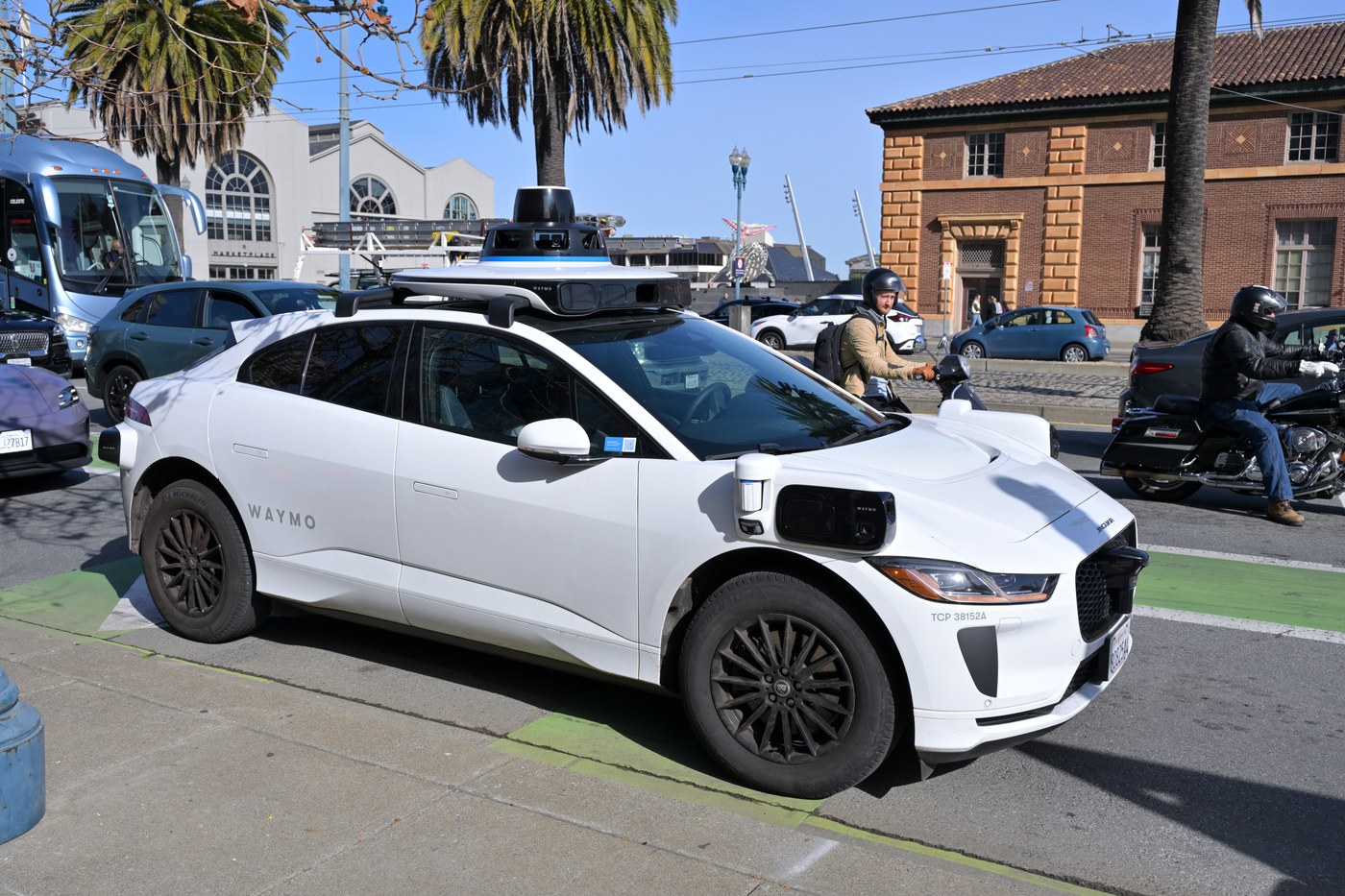
SACRAMENTO, Calif. - Gov. Gavin Newsom has signed a law that will let California cities and counties seek penalties from robotaxi companies whose vehicles block first responders during an emergency for more than 30 minutes, and that will require operators to send local technicians to stalled or crashed vehicles, according to the bill's author, state Senator Dave Cortese.
Senate Bill 1246 was chaptered by the Secretary of State on Sept. 30 as Chapter 1021 of the Statutes of 2026, according to the legislative record. Its provisions take effect July 1, 2028, and the California Department of Motor Vehicles must adopt guidelines on reasonable response times for those technicians by that date.
Under the law, remote drivers must be located in the United States and hold a driver's license valid in California. Companies must immediately notify affected local jurisdictions of the location and status of their fleets during a fleetwide failure, and must report response times and incidents to the DMV each quarter, with the department publishing summary statistics online, according to the bill's legislative digest.
For commercial driverless vehicles built without manual controls, remote staff must be able to shift the vehicle into neutral so an emergency official can move it, drive it as an official directs, or shut it off and keep it stationary. Violations are not crimes, but a city attorney or county counsel may sue to enforce the law and seek civil penalties. Hoodline reported penalties of up to $10,000 per vehicle when a robotaxi blocks emergency access for more than 30 minutes after officials request a technician.
"California has embraced autonomous vehicles, but we cannot embrace innovation at the expense of public safety," Cortese said in a statement. "When an autonomous vehicle crashes, breaks down, blocks a roadway in an emergency, or gets in the way of law enforcement or first responders, there must be clear accountability."
Cortese's office tied the bill to recent episodes in San Francisco, where multiple Waymo vehicles blocked roads and ran out of power during this year's Fourth of July celebrations and a December 2025 power outage stalled about 1,500 Waymo vehicles. First responders trying to reach autonomous vehicle companies during that outage were left on hold for up to 53 minutes, the office said.
The remote driver rule targets a narrow practice. TechCrunch reported that Tesla is the only company that has publicly said it has remote operators who can take direct control of its robotaxis, while Waymo uses remote assistance staff, including in the Philippines, who give guidance while its system stays in control. Zoox has said its remote operations teams are based in the United States.
Waymo and Zoox have said they will comply, TechCrunch reported. "We are grateful for the amendments made to the bill, which ensure autonomous vehicle operators can still feasibly serve Californians," a Waymo spokesperson said. "Waymo is committed to making roads safer in California and continually improving our service."
SB 1246 was sponsored by SEIU California and backed by the California Professional Firefighters, the California Police Chiefs Association, the California Association of Highway Patrolmen and the League of California Cities, among others. The law also directs the state's Commission on Peace Officer Standards and Training to set guidelines for the first responder training that autonomous vehicle makers must provide.