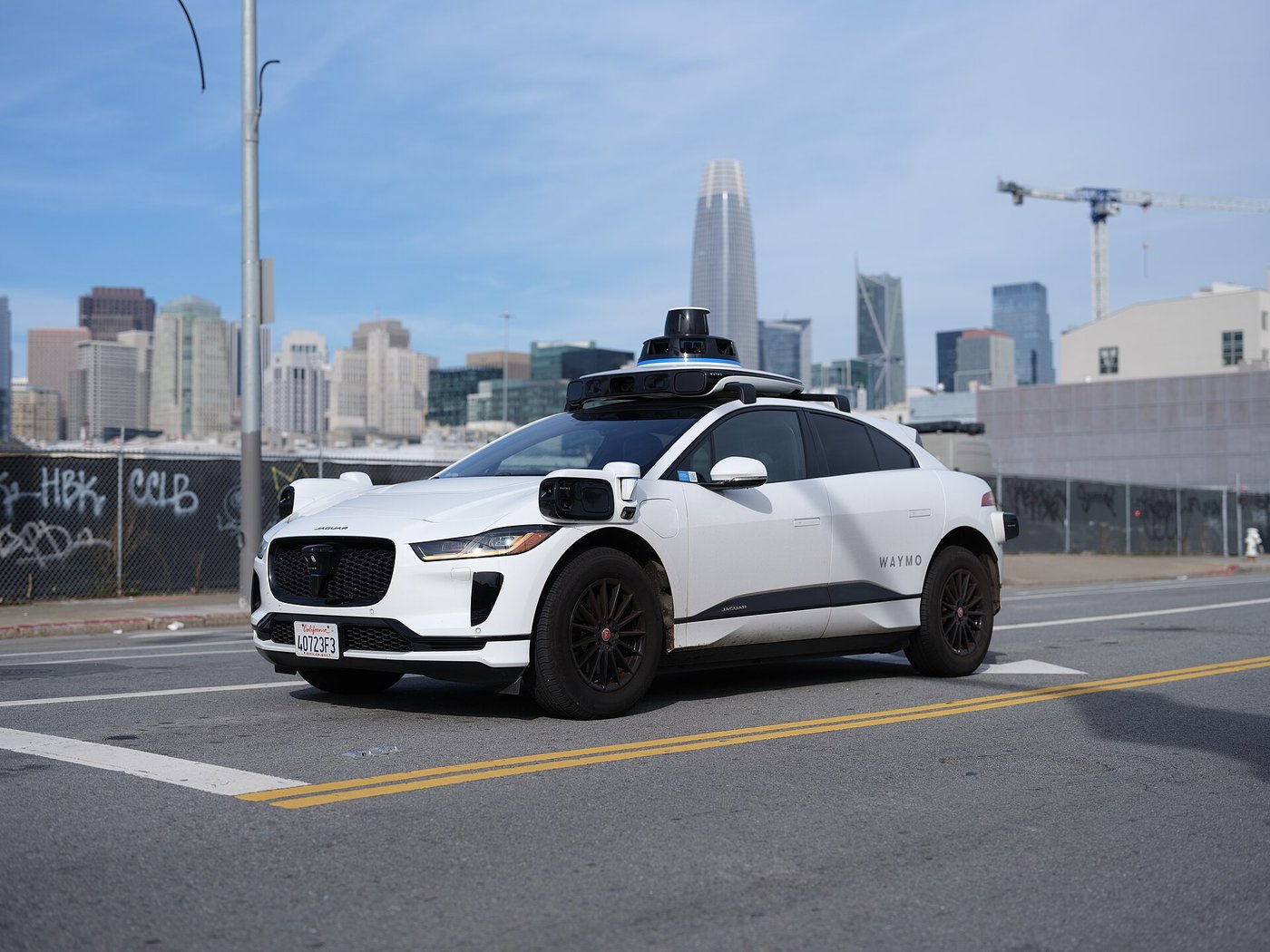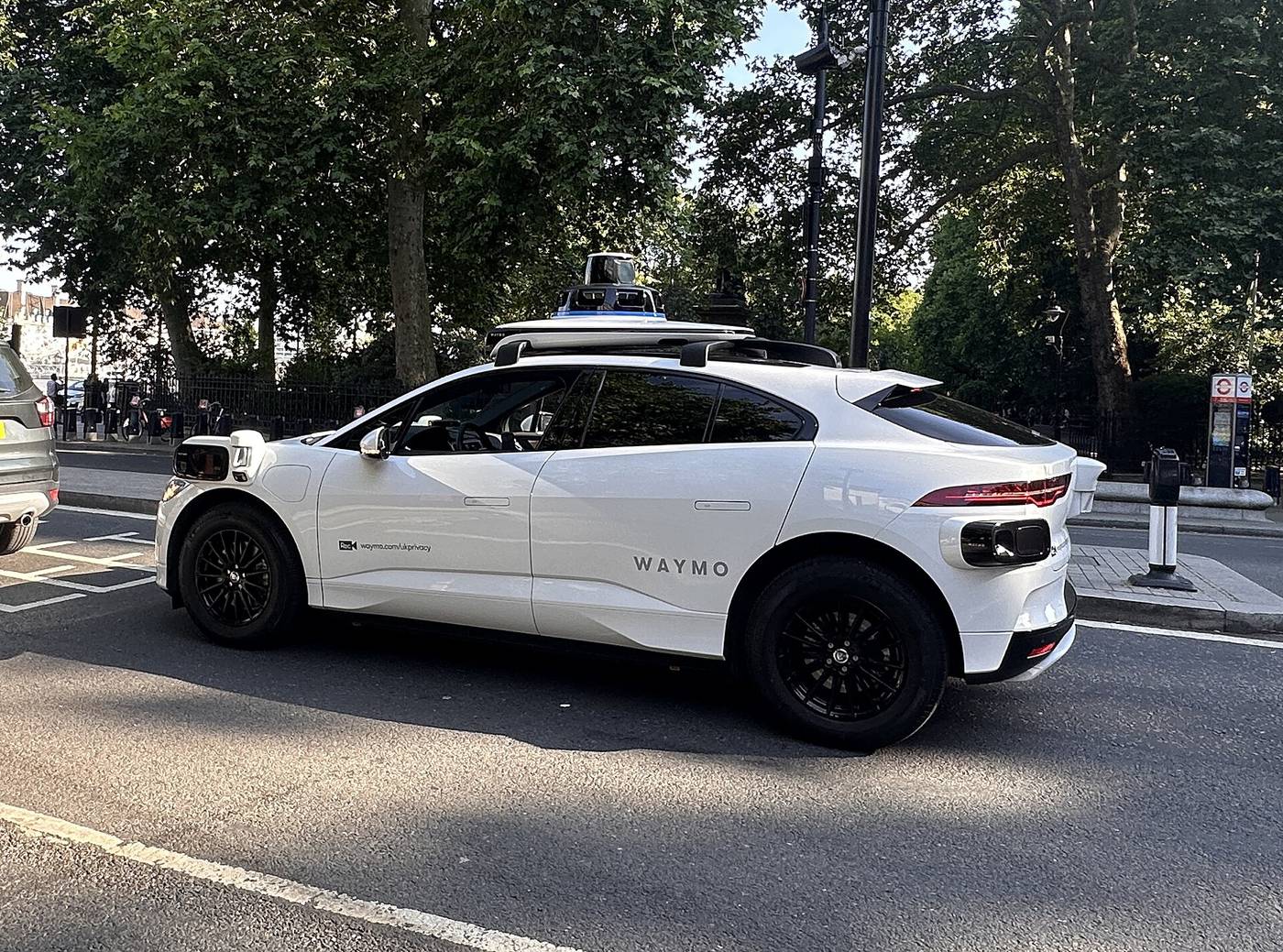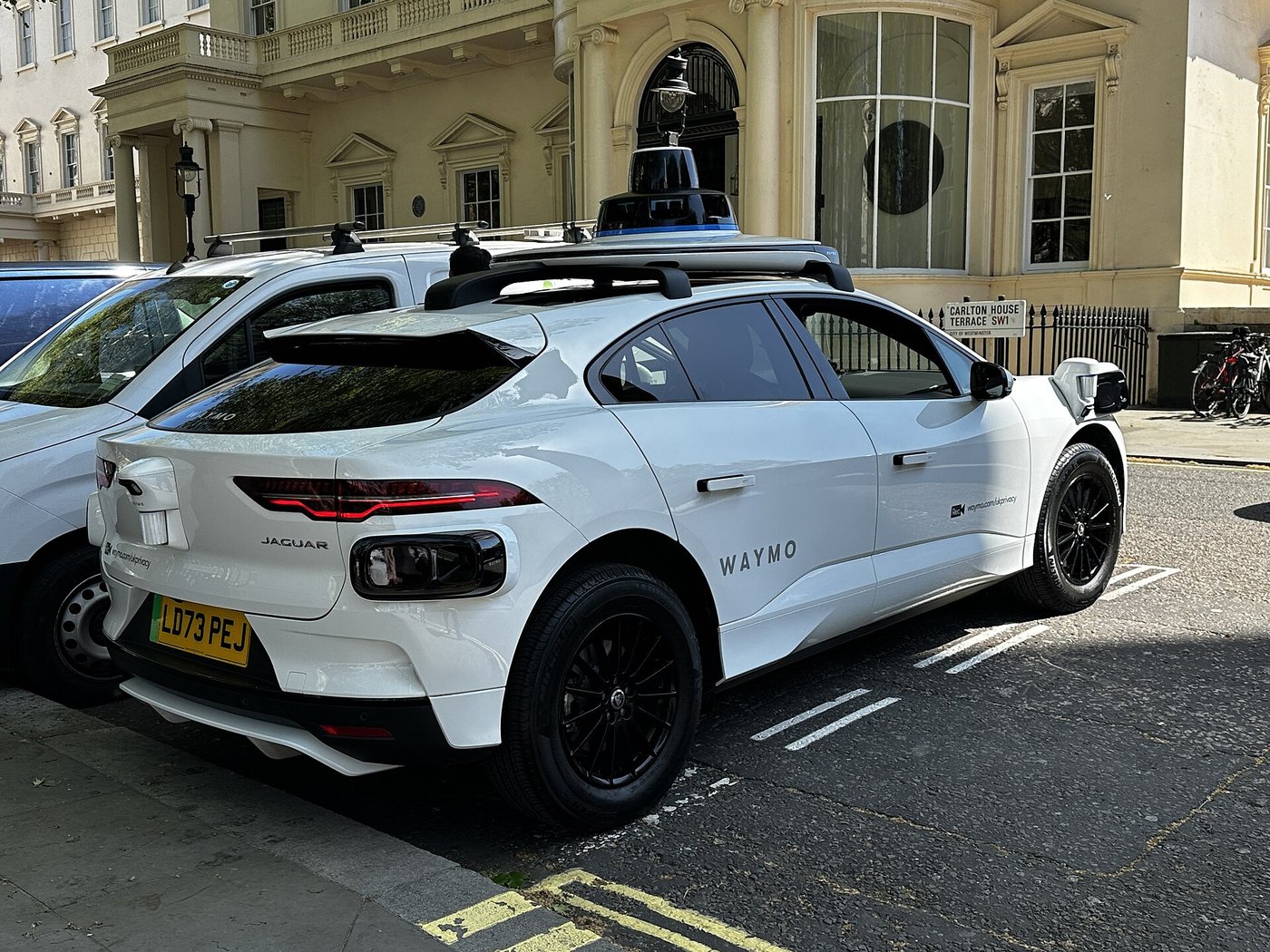
MADRID - Waymo, the self-driving unit of Alphabet, said on Tuesday that its electric Jaguar I-Pace vehicles would begin appearing on streets in the Madrid region in the coming days, the first step toward a fully autonomous ride-hailing service there that it aims to open to riders in 2027.
Spain is the third European country Waymo has said it will enter, after Britain, where it is aiming to start service in London this year, and Germany, where it is preparing for Munich. The company will operate under the testing framework for autonomous vehicles run by the D.G.T., Spain's national traffic agency, Reuters reported.
As in its other new markets, Waymo said, it will start with people driving the cars manually and then move to a period of technical validation with trained local specialists behind the wheel, so that its software can adapt to the region's traffic patterns and road conditions. Waymo told El País that the cars would drive on real city streets in Madrid itself and in the nearby municipalities of Alcobendas and Getafe, and that fully autonomous operations would come only in a later phase.
"Madrid is an incredible capital of innovation and an integral part of our growing global presence. We can't wait to serve Madrileños," Tekedra Mawakana, Waymo's co-chief executive, said in a statement.

Waymo did not say when paid rides would begin, how much they would cost, how many vehicles it would deploy in the region or which other parts of Spain it might serve, El País reported. The company said it was working with national, regional and local authorities, familiarizing emergency services with its technology and investing in the local operations needed to run the service. Its Spanish subsidiary, Waymo Iberia, was entered in the commercial registry in Madrid in June, EVwire reported.
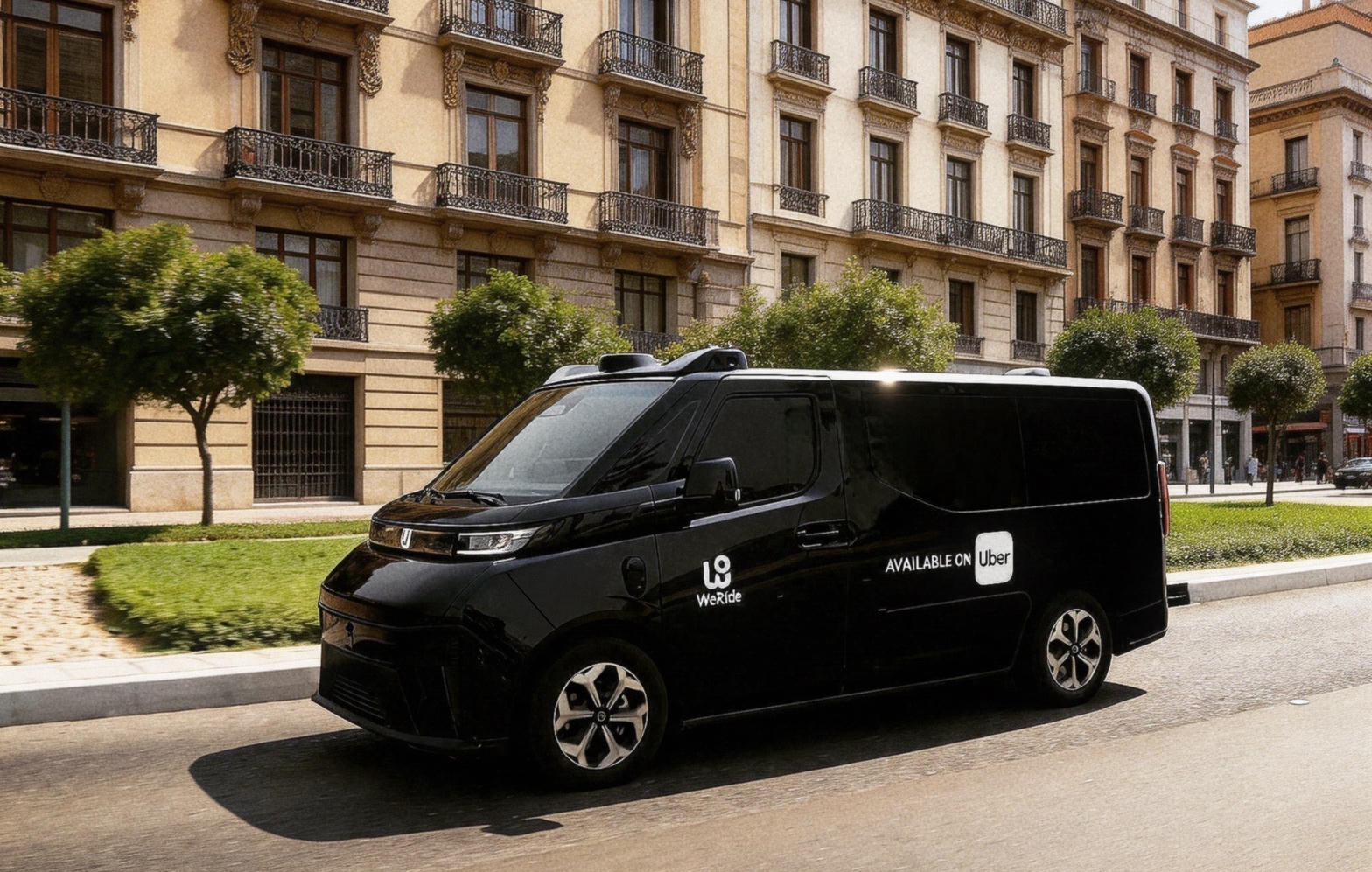
Waymo will not be alone. Last month the D.G.T. issued its first national permits for testing autonomous vehicles to WeRide and Uber, Reuters reported, and those companies expect to start commercial service in Madrid by the end of this year.
Madrid joins a growing list of cities outside the United States in Waymo's plans. The company said last week that it would begin laying the groundwork in Toronto, with fleet operations run by Element Fleet Management and the first riders expected in 2028, and it aims to launch in Tokyo in 2027 with the taxi operator Nihon Kotsu and the ride-hailing app Go, pending regulatory approval, according to Reuters.
In the United States, Waymo runs a fleet of more than 4,000 vehicles in more than 15 cities, and it says it completes more than 500,000 paid rides a week and has passed 20 million paid rides in all. Semafor reported on Monday that the company planned to grow that fleet to 20,000 vehicles by the end of 2027; Waymo declined to comment on that report.
In its announcement, Waymo cited its own data from more than 400 million kilometers of fully autonomous driving, which it says show its cars were involved in 95 percent fewer crashes causing serious injury or worse than human drivers in the cities where it operates. Ignacio Lijarcio, president of FESVIAL, the Spanish Road Safety Foundation, said in the statement that autonomous driving could help "prevent mistakes, anticipate risks, and save lives."
The expansion comes as some cities push for more say over robotaxis. In London, a committee of the London Assembly called last week for ministers to give Transport for London more power over autonomous taxis, and protesters picketed the headquarters of Wayve, a British self-driving company, on Saturday, Silicon UK reported.