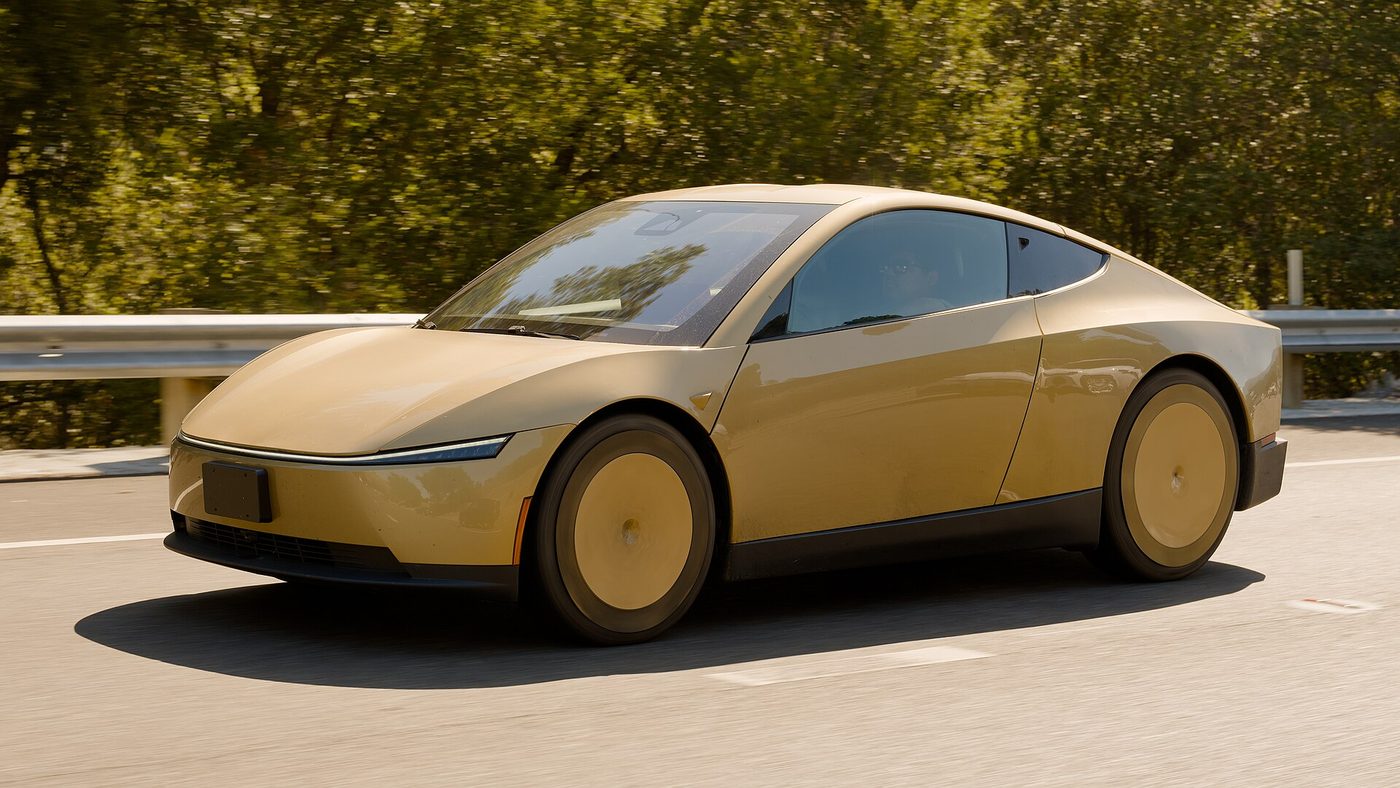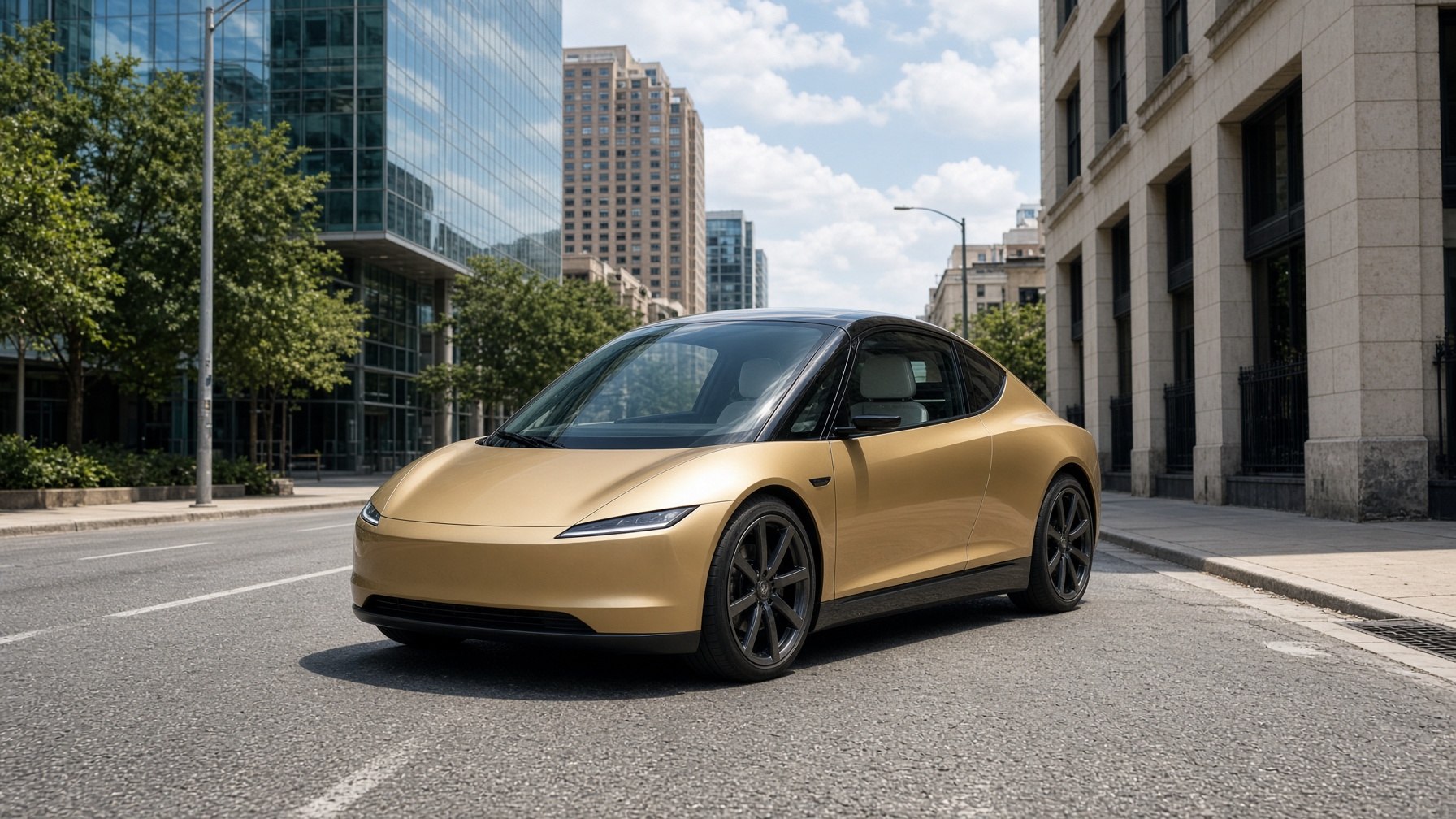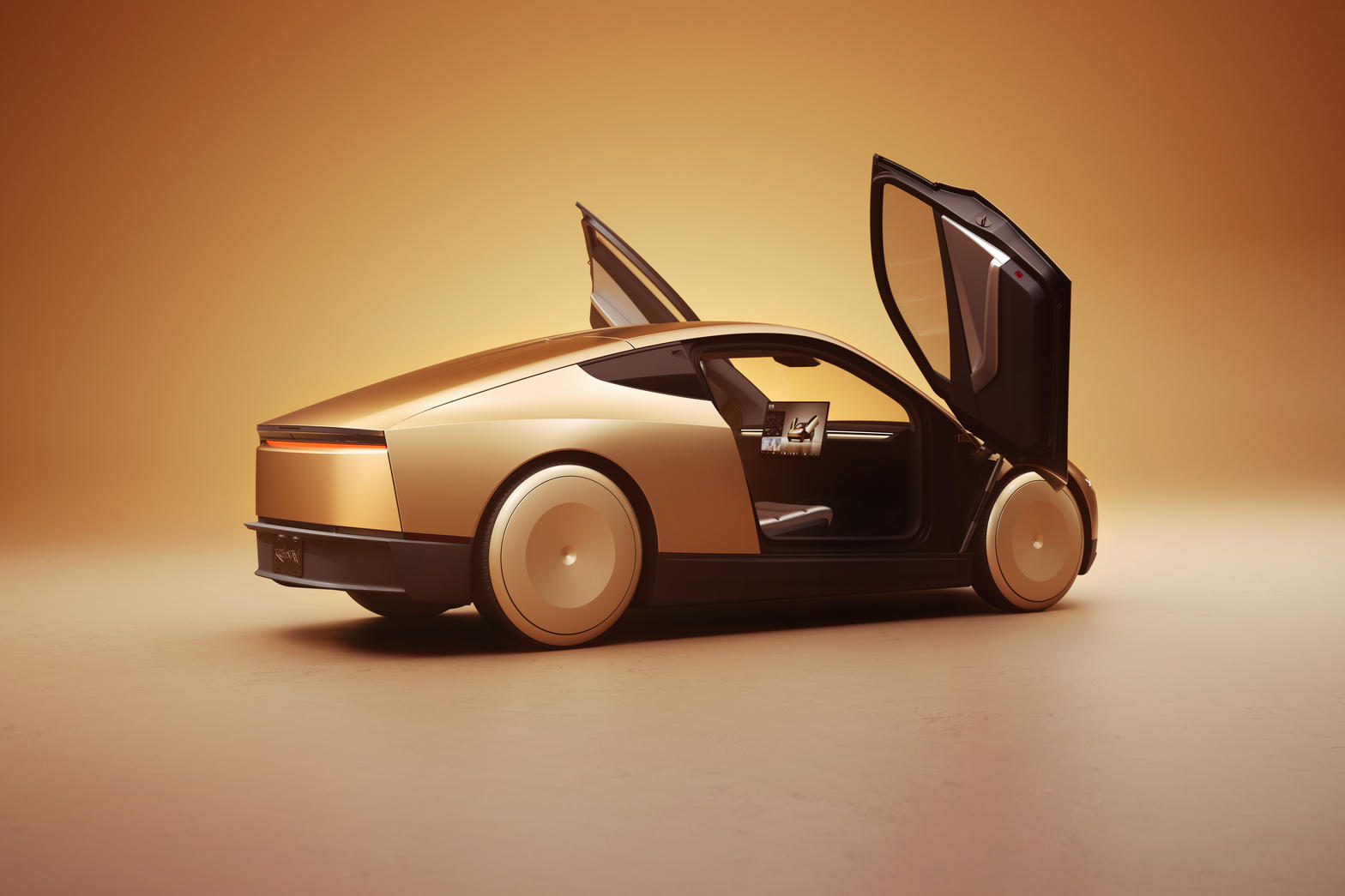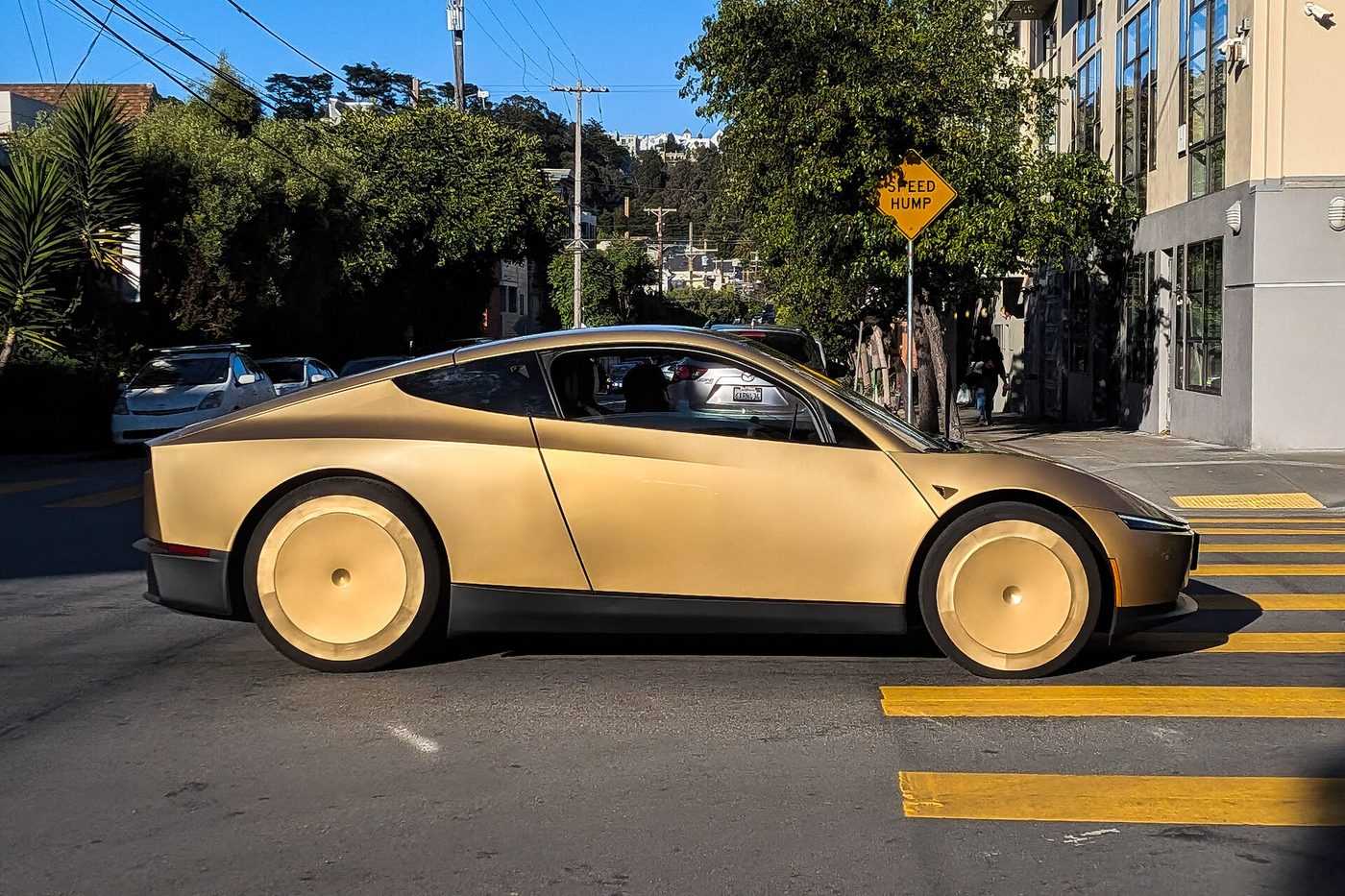
AUSTIN, Texas - Tesla said on Wednesday that it aims to begin selling the Cybercab, its two-seat robotaxi built without a steering wheel or pedals, to customers by the end of this year, even as federal safety regulators examine whether the car meets standards written for vehicles with human drivers.
"We're trying to get Cybercabs to customers by the end of this year, 2026," Lars Moravy, Tesla's vice president of vehicle engineering, told analysts on the company's third-quarter earnings call, according to Reuters. He said Tesla would start small and keep scaling as it learned about delivery, ownership and fleet management of autonomous vehicles in customer hands.
For now, every Cybercab Tesla builds is destined for its own robotaxi fleet, Moravy said, TechCrunch reported. Elon Musk, the chief executive, said on the call that the car was meant mainly as a ride-hailing vehicle rather than one people own. "The vast majority of the Cybercab stuff will be essentially Tesla-owned and transported as a service," he said.
Tesla began giving rides in Cybercabs in Austin on Sept. 3, according to the company's third-quarter update, which said cumulative unsupervised robotaxi miles grew eightfold from the previous quarter. Ashok Elluswamy, who leads Tesla's AI software, said the Cybercab service would expand to Dallas next month.
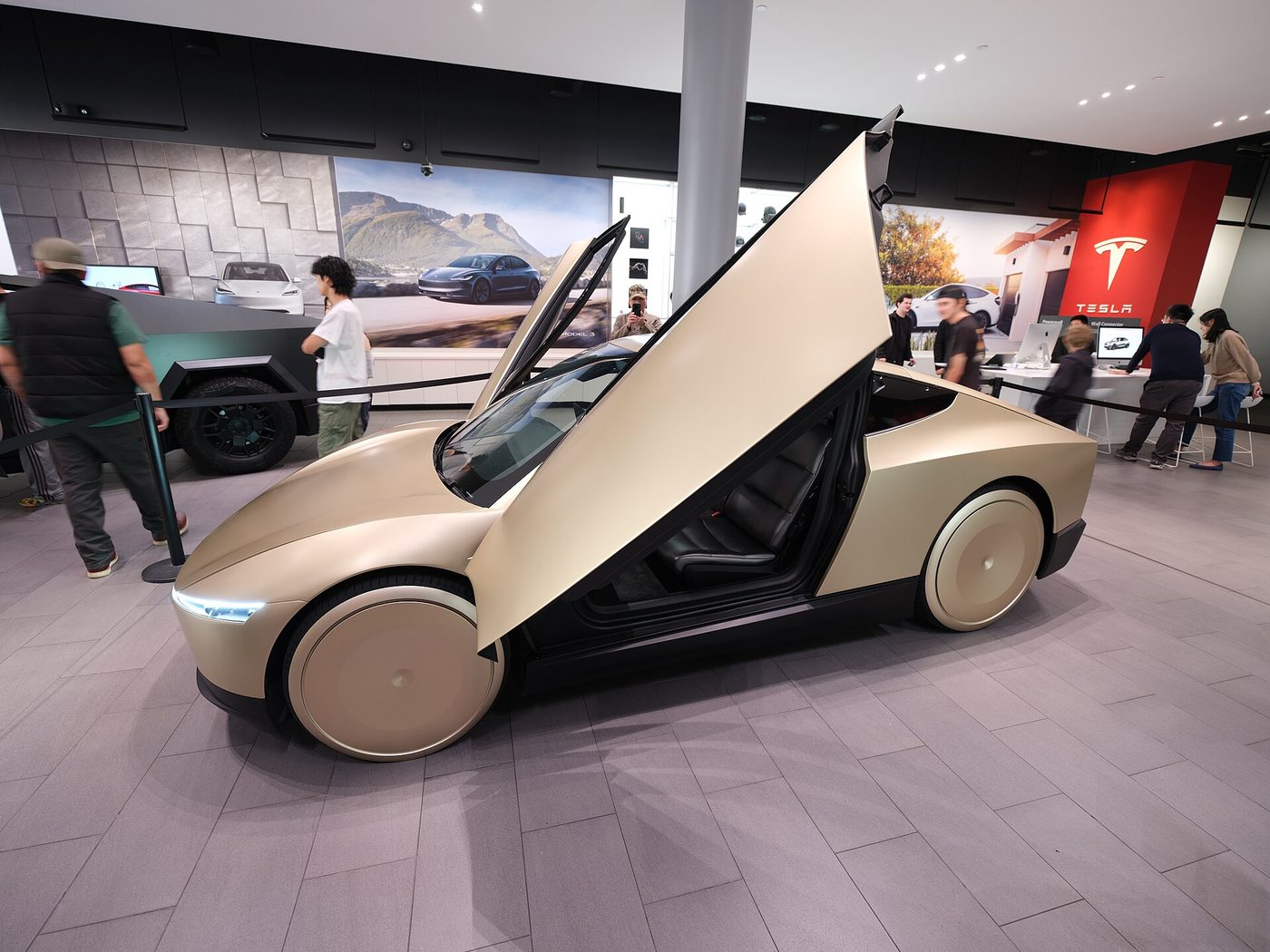
The sales plan runs into an open federal inquiry. The National Highway Traffic Safety Administration opened an investigation into the Cybercab last month, hours after the cars began carrying riders on public streets in Austin, to examine how Tesla certified that the vehicle complies with federal motor vehicle safety standards. Those rules require manual controls such as brake pedals, along with rearview and side mirrors. Tesla has until Oct. 30 to respond, Reuters reported. NHTSA declined to comment.
The Department of Transportation has proposed removing manual-control requirements for vehicles designed to drive themselves, but NHTSA has said the existing standards remain in force until those changes are complete. "I think the key thing which we are trying to make sure is that we have all the regulatory approvals where we can start deploying the Cybercabs as fast as we can produce them," Elluswamy said on the call. Scaling production, he added, "would not be that much of a challenge."
Tesla also set new dates for the cars its customers already drive. Musk said an unsupervised version of Full Self-Driving would reach owners in the second quarter of next year, TechCrunch reported, and Elluswamy said owners would be able to add their own vehicles to Tesla's robotaxi network in the same quarter, according to The Verge. The system Tesla sells today, Full Self-Driving (Supervised), still requires a driver who is ready to take control.
If both timelines hold, outside fleet buyers could be operating Cybercabs before Tesla owners get the same capability in their own cars. Tesla first floated selling the robotaxi to third parties around its Cybercab event in Austin last month, when it posted a form for people interested in buying one.
The plans came alongside third-quarter revenue of $28.05 billion and net income of $787 million under standard accounting, according to the company's update. Reuters reported that Tesla cut its annual capital spending forecast by a fifth after investing less in its AI and robotics ambitions than Wall Street had expected.