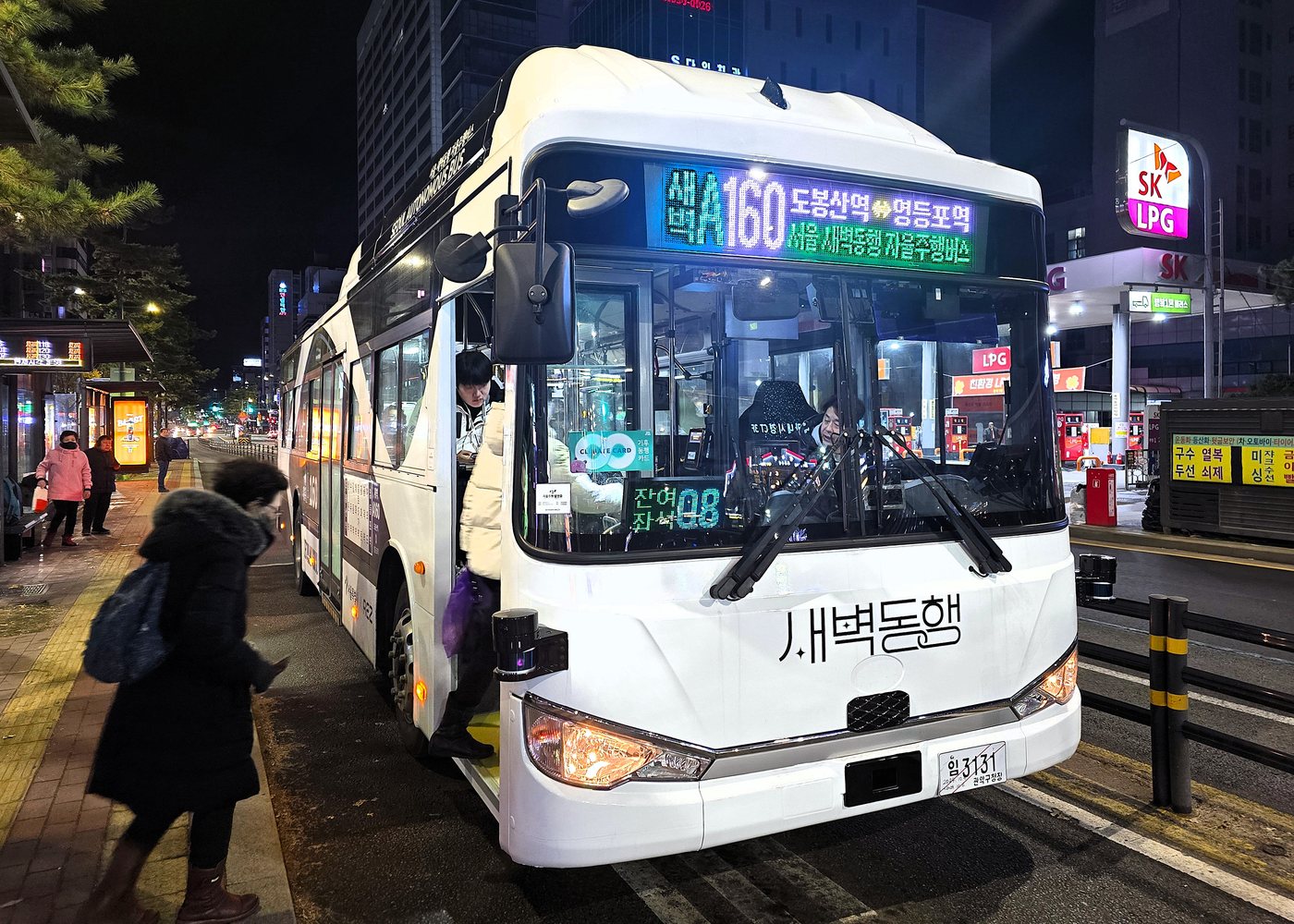
SINGAPORE - Singapore's Land Transport Authority has dropped a plan to run six driverless buses on two public bus routes, saying it will first try the vehicles on narrower services such as employee shuttles before putting them into regular public service.
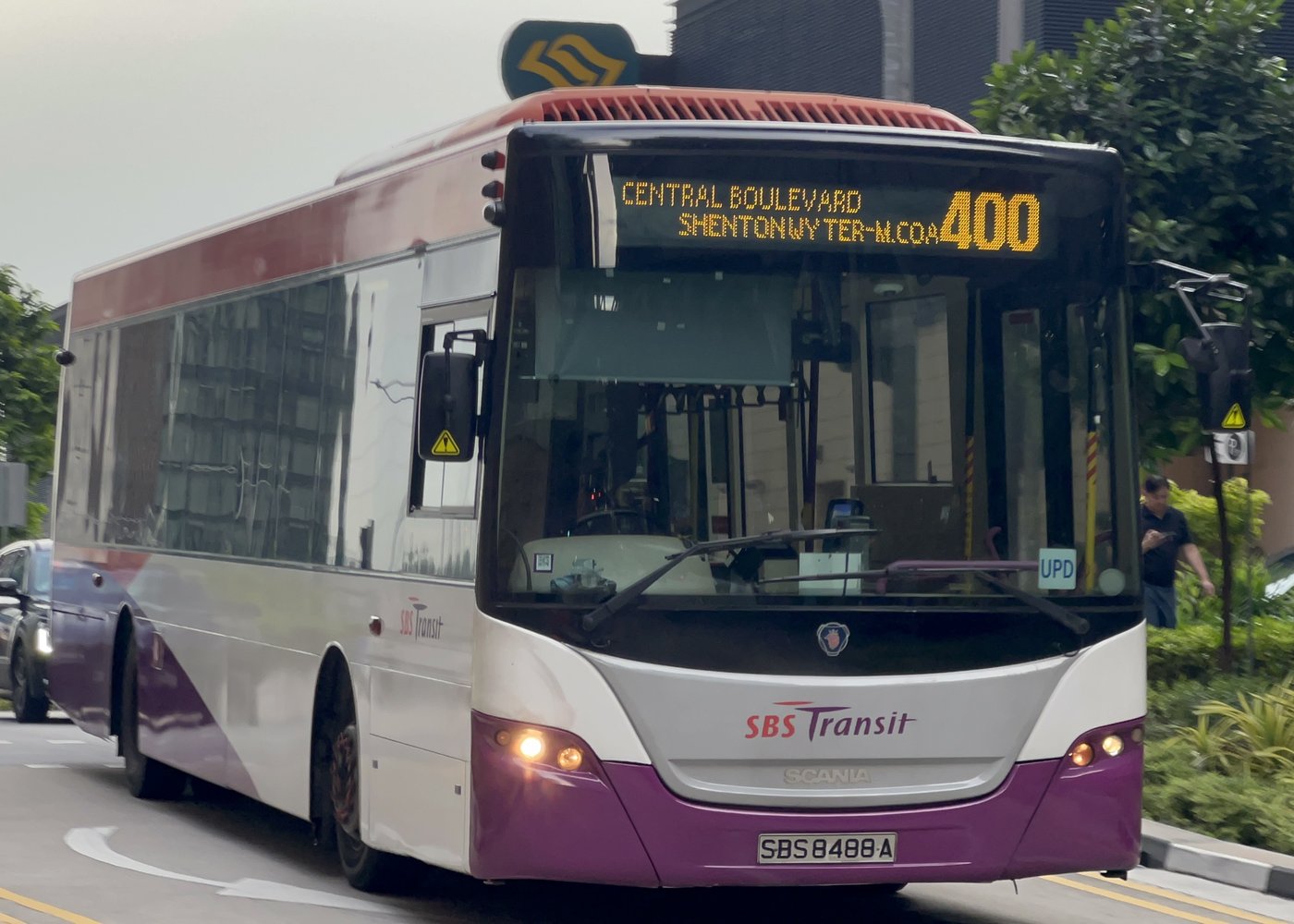
"We will no longer be deploying the six autonomous buses for SBST bus service routes 400 and 191," an authority spokesperson told AsiaOne on Monday. The authority said it was taking a "phased and calibrated approach" to autonomous buses and would announce details of the new uses when ready. The change was first reported on Monday by the Chinese-language daily Lianhe Zaobao and was confirmed in replies to The Straits Times and Mothership.
The pilot was meant to test driverless buses on regular, fare-paying public routes. In October 2025 the authority awarded a contract worth about 8.14 million Singapore dollars to a consortium of MKX Technologies, Zhidao Network Technology of Beijing and BYD's Singapore unit. Six 16-seat electric buses were to run alongside regular buses on service 400 in Marina Bay and Shenton Way and service 191 in one-north for an initial three years from the second half of 2026, charging the same fares. A safety operator was to ride on every trip at first, with remote monitoring and an onboard customer service officer to follow once the buses proved themselves. The authority said at the time that it might buy up to 14 more buses and extend the pilot to other routes.
The buses are in Singapore, but most have yet to clear the first test. All six buses have been delivered to Singapore, the authority said. The first, which landed in March, passed the authority's Milestone 1 test in July, a closed-circuit assessment of basic maneuvers at a testing center run with Nanyang Technological University. The other five are still being prepared for that test. The authority did not say why it changed course.
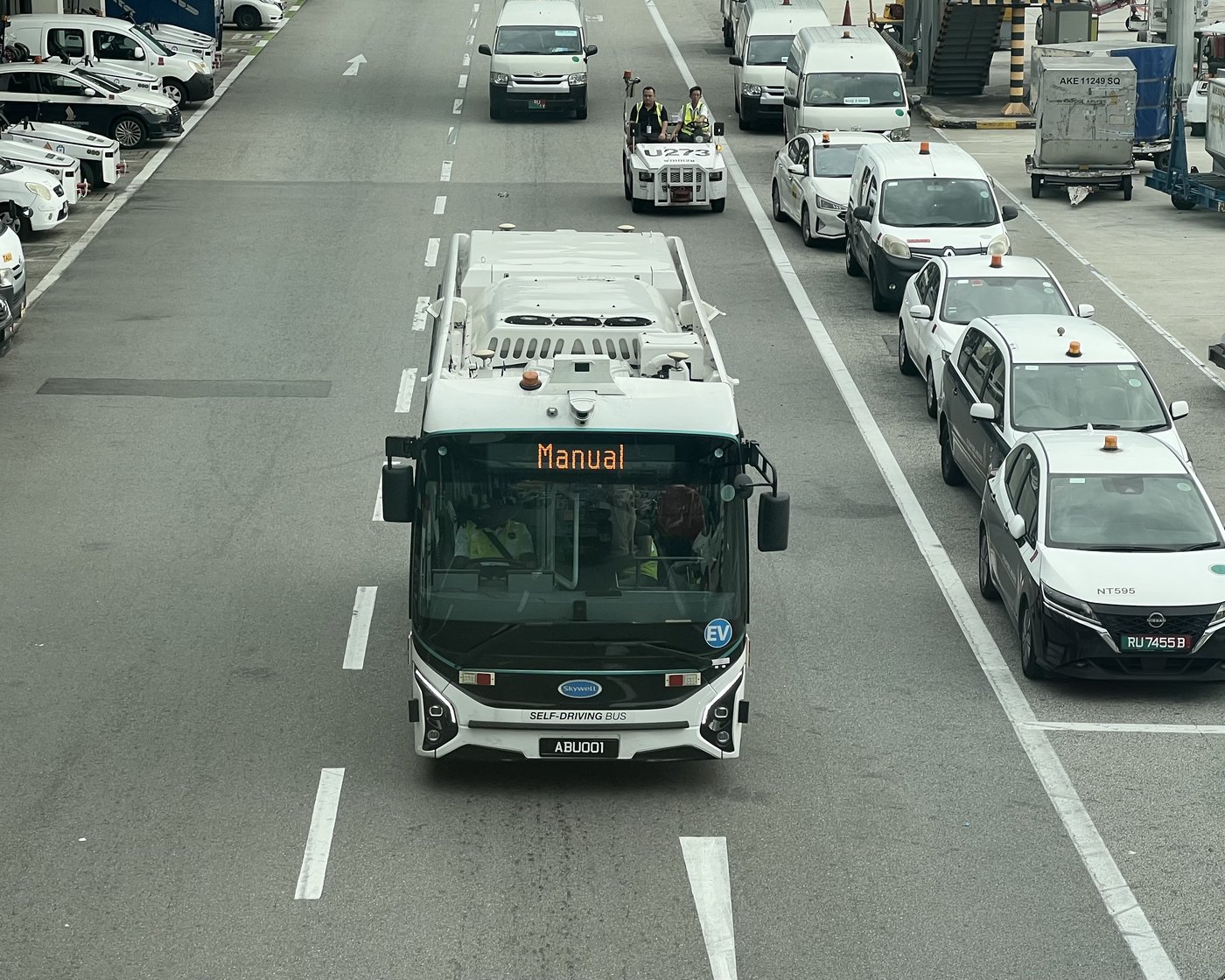
Baey Yam Keng, a minister of state for transport, told Parliament during a recent debate on land transport legislation that public bus operations are complex, that riders are highly varied and that autonomous buses carry far fewer passengers than double-deck buses, so the government wanted a more gradual approach for buses than for driverless cars, Lianhe Zaobao reported.
The two routes had been picked because they are short and relatively simple, the authority said when it announced them. It has argued that driverless buses could help keep low-ridership routes running and allow new services that are hard to staff. The tender drew four proposals. WeRide, the Chinese autonomous driving company and the only other shortlisted bidder, had offered about 14.69 million Singapore dollars, according to tender details compiled by Land Transport Guru, a Singapore transport website.
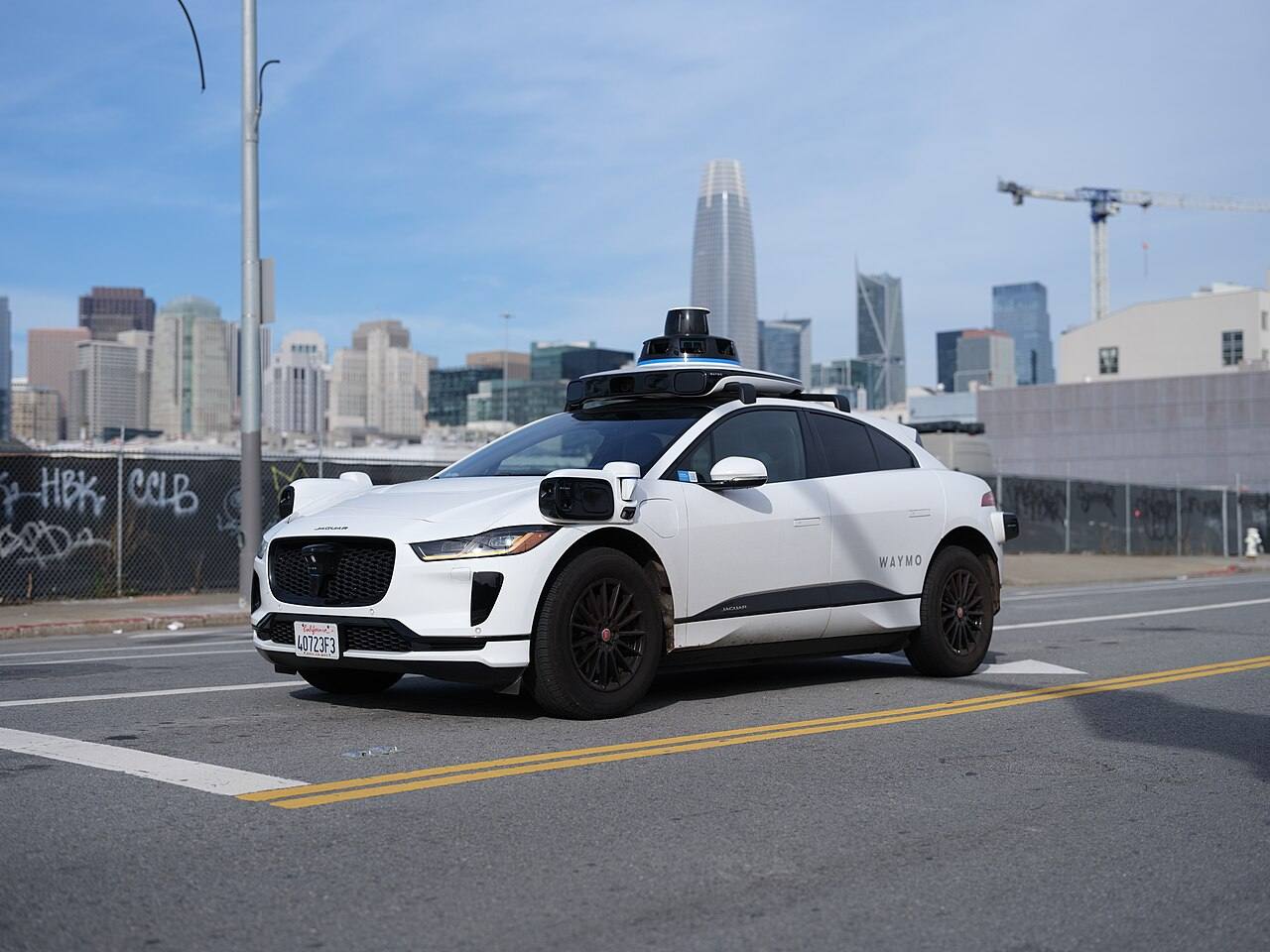
Singapore's wider driverless push continues. The Transport Ministry has been testing autonomous vehicles in the Punggol housing estate, and Waymo has said it plans to bring fully driverless ride hailing to the city in 2028. The authority has not said what will happen to the three-year contract. Land Transport Guru reported that charging equipment for the pilot had already been installed at Ulu Pandan Bus Depot.