PUTRAJAYA - An autonomous electric bus began carrying passengers in Putrajaya, Malaysia's administrative capital, on Wednesday, running a six-stop loop between the MRT Putrajaya Sentral station and the government district for a one-way fare of 1 ringgit.
The service, Route P113, starts and ends at Putrajaya Sentral and stops at the Finance Ministry, the Palace of Justice, which houses the Federal Court, the Youth and Sports Ministry, Dataran Gemilang and the Perbadanan Putrajaya Complex, according to the schedule posted by Perbadanan Putrajaya, the city's governing corporation, and reported by The Star. The bus is supplied by the Malaysian start-up eMooVit Technology and operated by Handal Indah.
The timetable is short. The bus runs Monday to Friday, with no service on weekends or public holidays, and leaves Putrajaya Sentral eight times a day, at 7:15, 8:15, 9:15 and 10:15 a.m. and at 2:45, 3:45, 4:45 and 5:45 p.m., with times subject to traffic, according to the corporation's notice as reported by Malay Mail and Lowyat.NET. Fares can be paid only with a Visa or Mastercard debit or credit card. The Touch 'n Go cards and My50 passes used on the city's regular Nadiputra and Rapid KL buses are not listed.

Perbadanan Putrajaya issued a tender last December for an autonomous electric feeder bus service lasting 18 months, and the contract was awarded to Handal Indah for 779,770 ringgit, Malay Mail reported. The city's smart city office describes the 18 months as a period to evaluate the service's real-world performance, safety and long-term sustainability. It is not yet clear whether the route will become permanent.
Neither the corporation's notice nor the launch reports said whether a human safety operator is aboard. eMooVit's chief executive, Hairi Zamzuri, told The Star last December that a safety driver would be present on the buses once they were deployed for public use, and that the company's long-term goal was fully autonomous operation, with a remote operator in a control center stepping in only when a bus meets an unfamiliar situation. Malaysia's guidelines for autonomous vehicle passenger service trials, published by Futurise, require a trained safety officer to be in the vehicle at all times.
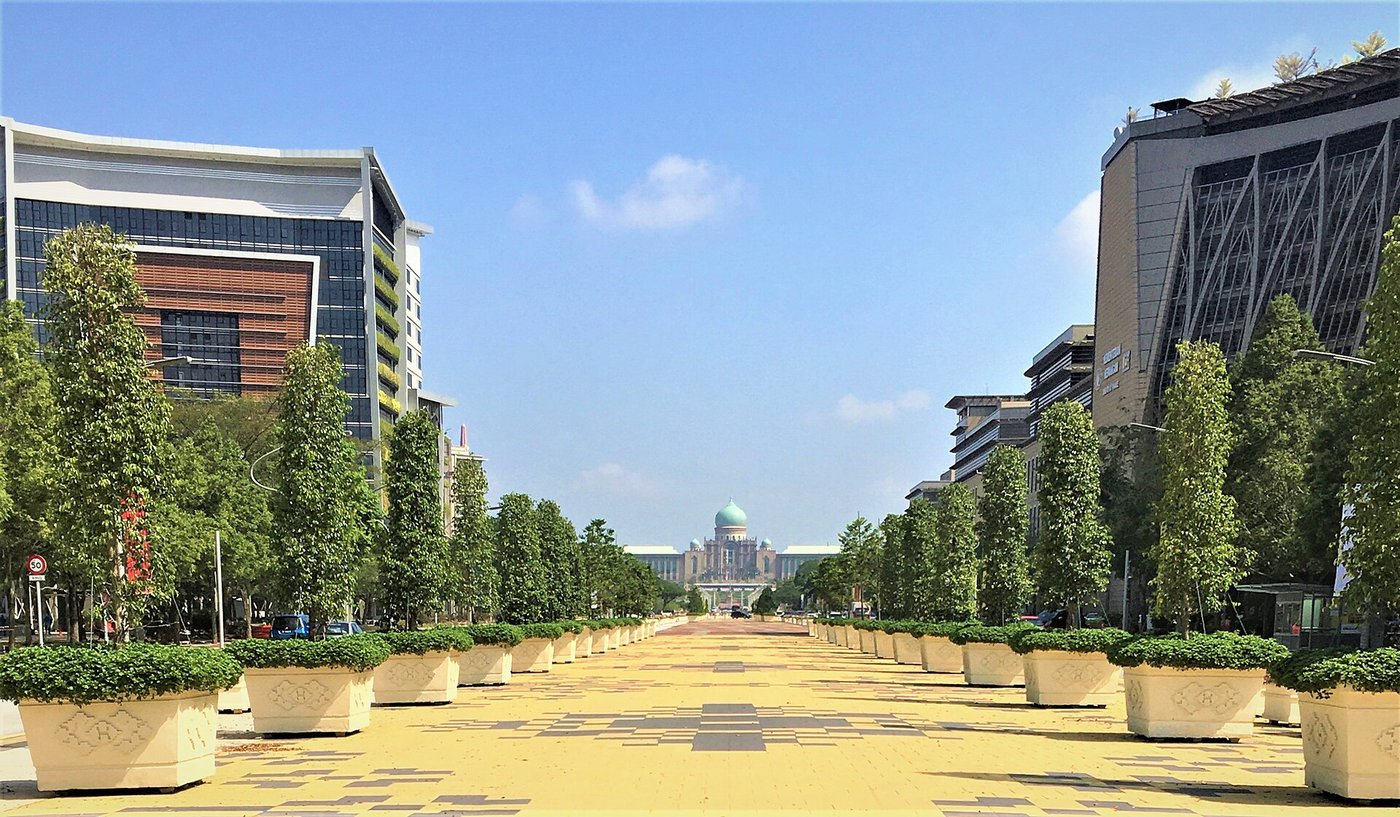
The launch follows a pilot run by Perbadanan Putrajaya with eMooVit and Universiti Teknologi Malaysia. After on-road testing from May 27 to June 26, 2024, which included runs between midnight and 4 a.m., the pilot carried preregistered members of the public along a 6.5-kilometer route on Persiaran Perdana, the city's main boulevard, Monday to Thursday, according to the Smart Putrajaya initiative page. Concerns identified during the pilot included the bus's performance in heavy rain and fog and its handling of unpredictable traffic, the page says.
Each eMooVit bus carries lidar, radar and cameras for 360-degree coverage, and every position on the vehicle is covered by at least two kinds of sensor for redundancy, Dr. Hairi told The Star. He said the artificial intelligence model that makes the bus's driving decisions was built by the company in Malaysia and trained on Malaysian data. The company said at the time that it planned to move from the 6-meter prototype used in the pilot to an 8.2-meter model for commercial service.
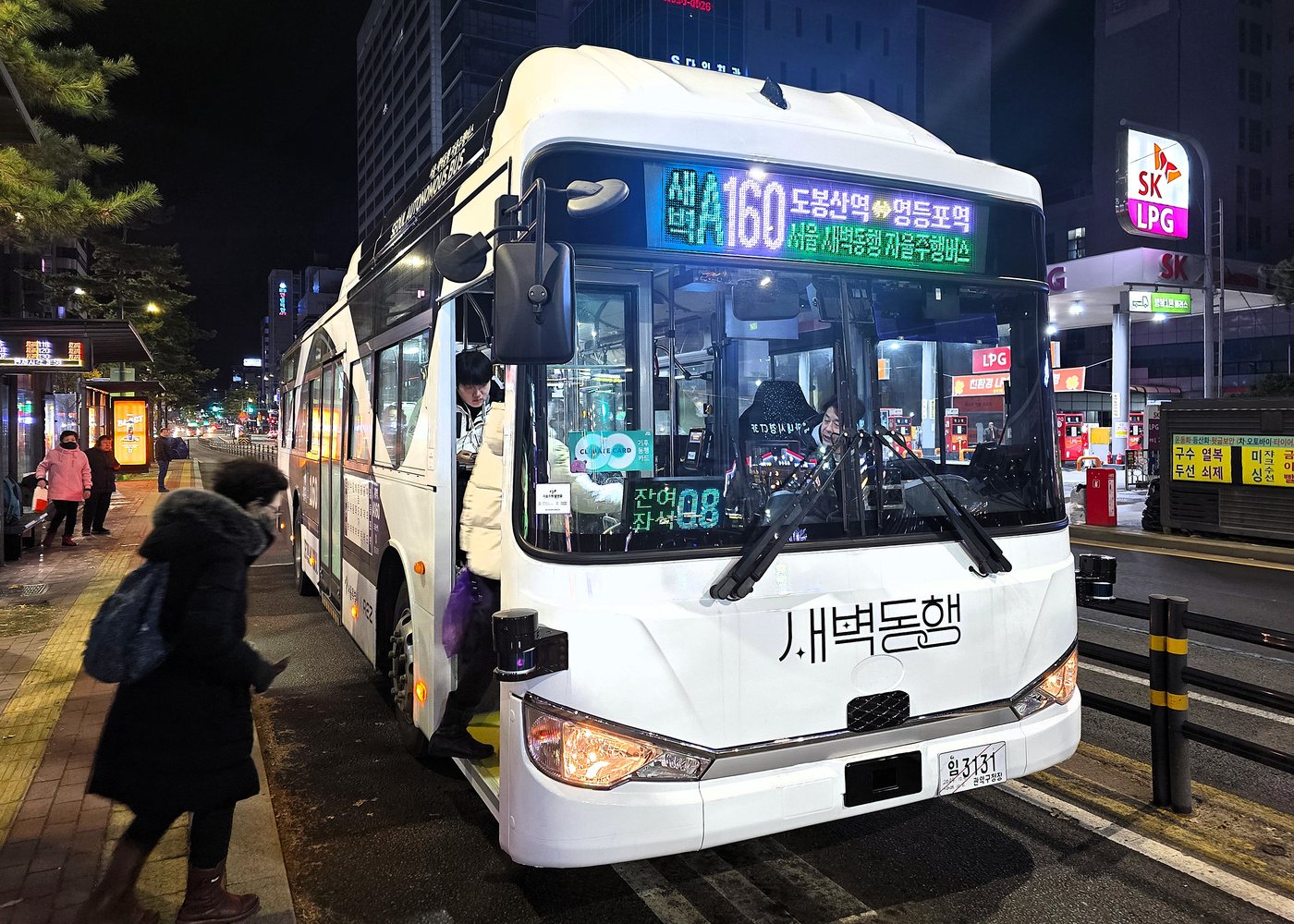
Elsewhere in Asia, Seoul, which already runs early-morning autonomous buses on a trial basis, signed an agreement with Hyundai and Kia last week aimed at putting Level 4 autonomous city buses on regular routes as early as 2029.