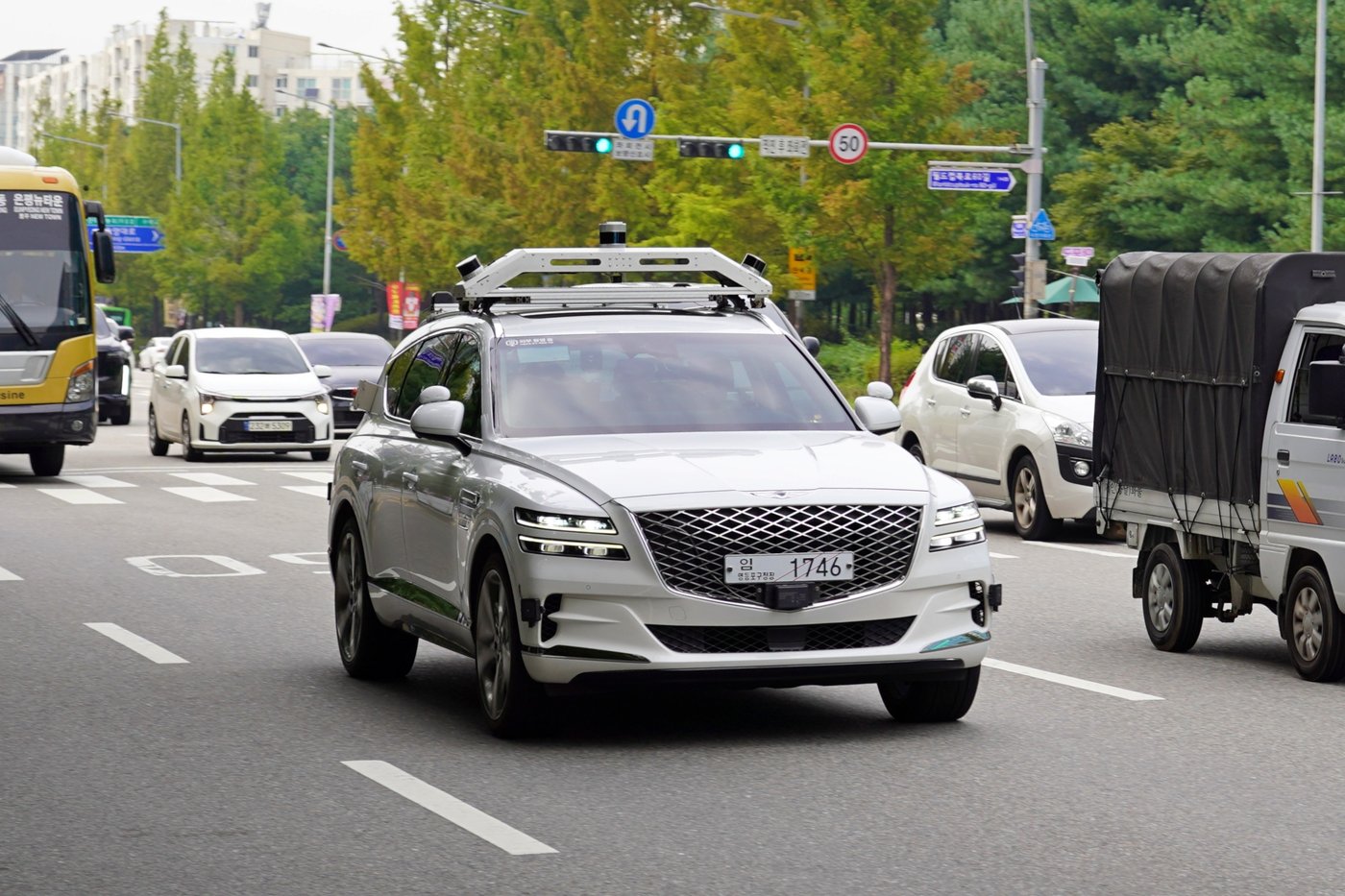
SEOUL - Seoul has chosen RideFlux, a South Korean self-driving start-up, to run the country's first Level 4 robotaxi service in the Sangam district, with two Genesis GV80 sport utility vehicles expected to begin carrying members of the public in late November with the driver's seat empty, The Electronic Times reported on Monday.
The city has picked RideFlux as the operator, and detailed negotiations are now under way before a contract is signed, according to the newspaper, which cited the Seoul Metropolitan Government and people in the autonomous driving industry. RideFlux was named the preferred bidder in the Level 4 autonomous taxi demonstration tender that the city issued last month, the business news site BizWatch reported separately.
"The operator has been selected, but negotiations remain before a contract is signed, so we will announce the operator officially as soon as the contract is concluded," a Seoul official told The Electronic Times.
The cars will not be fully unattended at first. A safety manager will ride in the front passenger seat in the early stage of the service to respond to unexpected situations, the newspaper reported. "We will first operate with a person in the passenger seat, and next year we are also considering a move to fully unmanned operation," the official said.
A RideFlux official told BizWatch that the safety staff would not intervene in the driving directly and would instead respond with an emergency stop button and remote monitoring, which the official said would make the service "very close to Level 4." RideFlux is aiming to open the service to anyone before the end of the year, BizWatch reported.
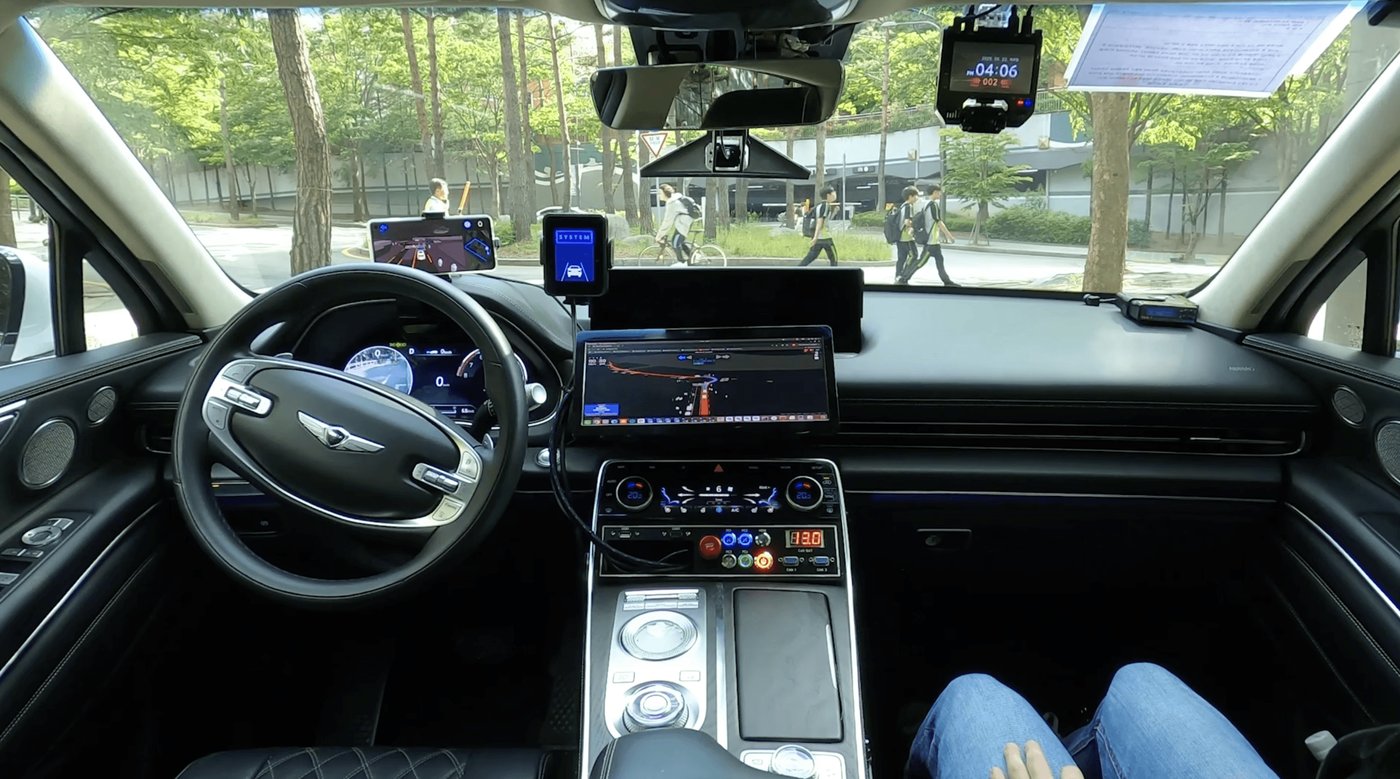
Seoul announced earlier this year that it would run Korea's first Level 4 robotaxi in the Sangam autonomous driving district in Mapo-gu from the second half of 2026. The city said in June that anyone would be able to hail the cars through a taxi app, and that while Level 3 autonomous taxis had operated in Korea before, this would be the first at Level 4, Yonhap News Agency reported.
The city's plan calls for three Level 4 robotaxis in Sangam at the start, growing to more than 10 vehicles in 2027, according to The Electronic Times. This year's service will begin with the two GV80s, which are production vehicles fitted with sensors and RideFlux's self-driving software. From next year, the city plans to widen the operating area, add at least one more car and is considering vehicle models other than the GV80, the newspaper reported.
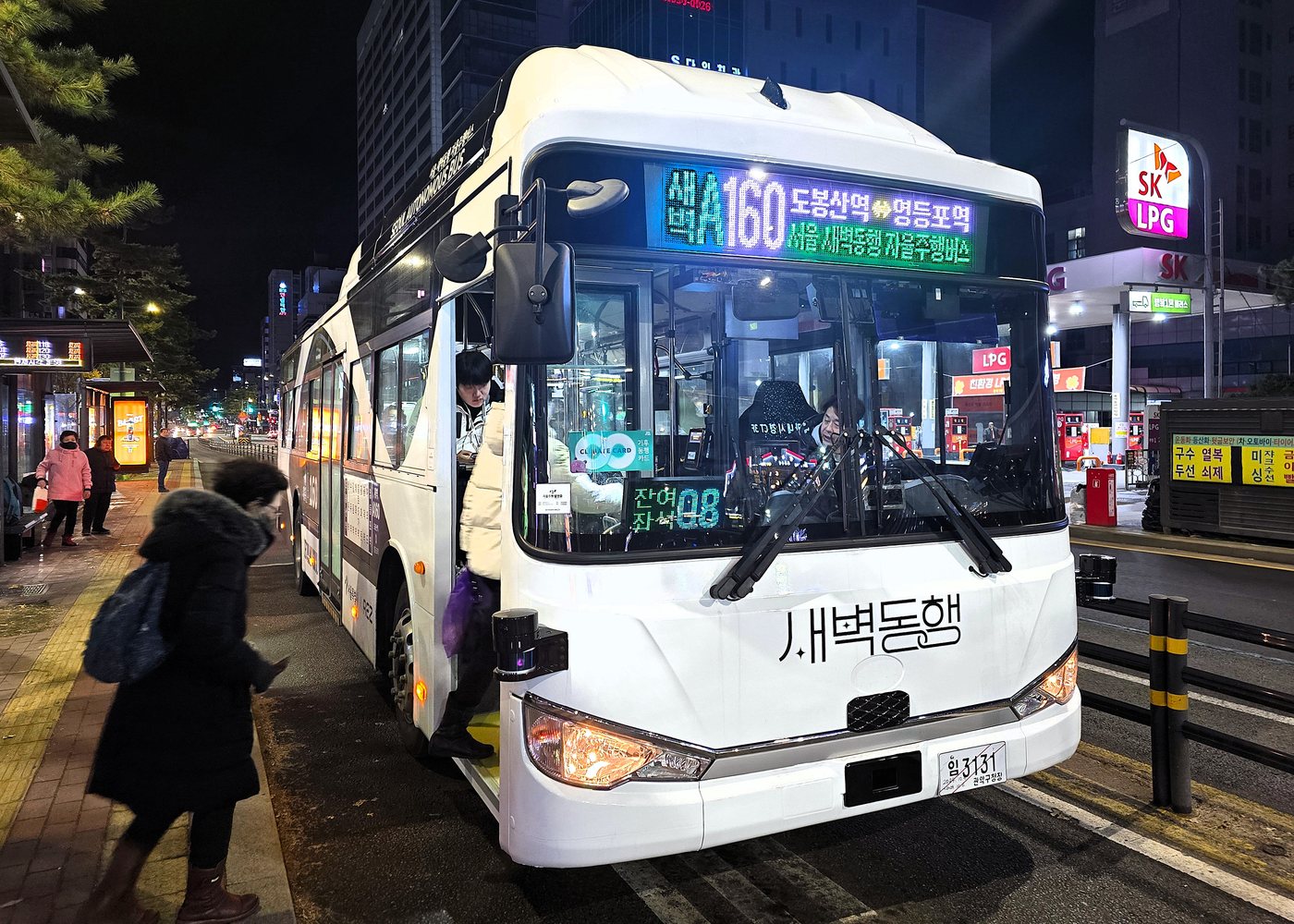
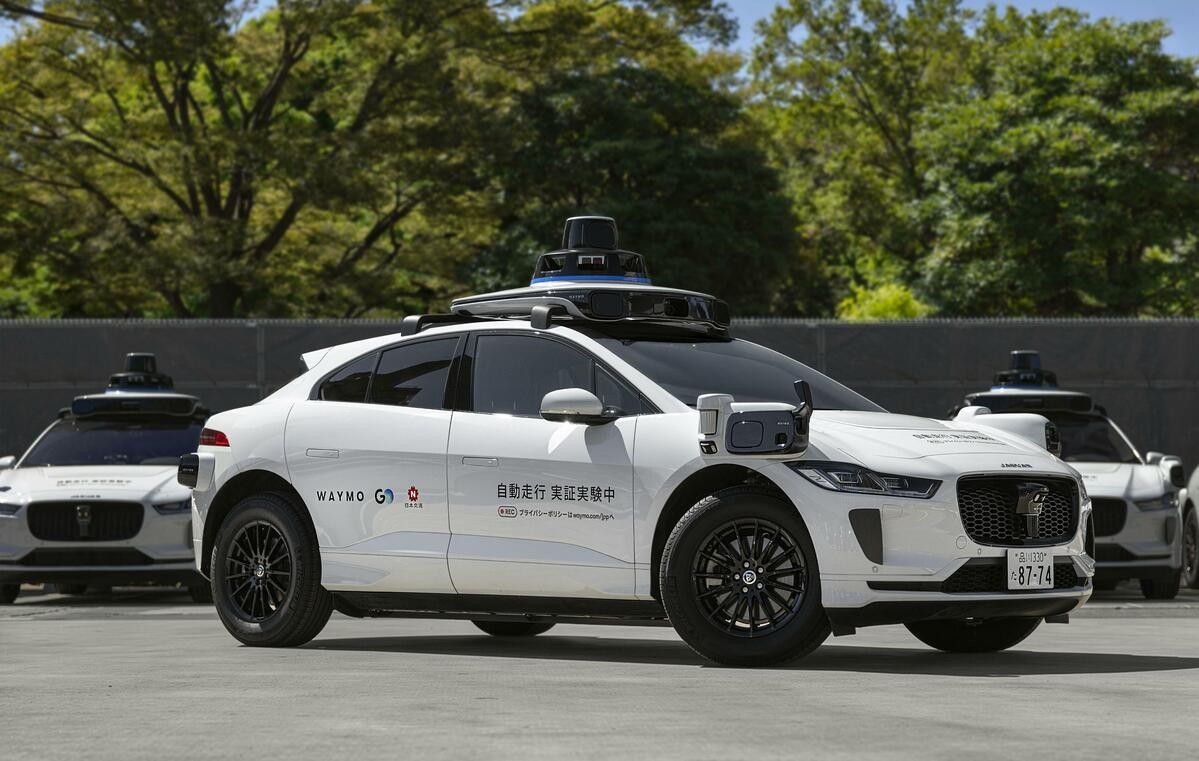
Seoul has run autonomous buses and taxis in Sangam, Gangnam and along the Cheonggyecheon stream, but in most of them a safety worker sat in the driver's seat or took control when needed. After it gathers road experience and public feedback, the city intends to move in stages toward fully driverless service with no safety staff aboard, The Electronic Times reported, comparing the goal to Waymo's robotaxis in the United States.
RideFlux has a head start in Sangam. In June 2024 it received a temporary permit from the Ministry of Land, Infrastructure and Transport to drive on public roads with no safety worker in the driver's seat, and it has tested there since, the first time an autonomous vehicle trial in Korea moved to driverless operation, BizWatch reported. The company is still running driverless test drives in Sangam in a range of traffic conditions, according to The Electronic Times.
The start-up also hauls freight. Since July it has carried paid cargo two to three times a week with the logistics companies Hanjin and Lotte Global Logistics, running one 25-ton truck per route on a stretch of about 110 kilometers, with a safety worker still in the driver's seat, BizWatch reported. It plans to begin unmanned truck runs next year.
RideFlux filed for a preliminary listing review on the Kosdaq market in August. Its revenue doubled last year to 4 billion won, while it posted an operating loss of 11.9 billion won, according to its audit report cited by BizWatch. A company official told the site that RideFlux had raised about 88 billion won in total and would add vehicles as its driverless technology matures.
The Sangam service arrives as South Korea's government targets commercial Level 4 driving next year, a goal that has moved slowly in places. A demonstration project in Gwangju has yet to put a test vehicle on the road, BizWatch reported.