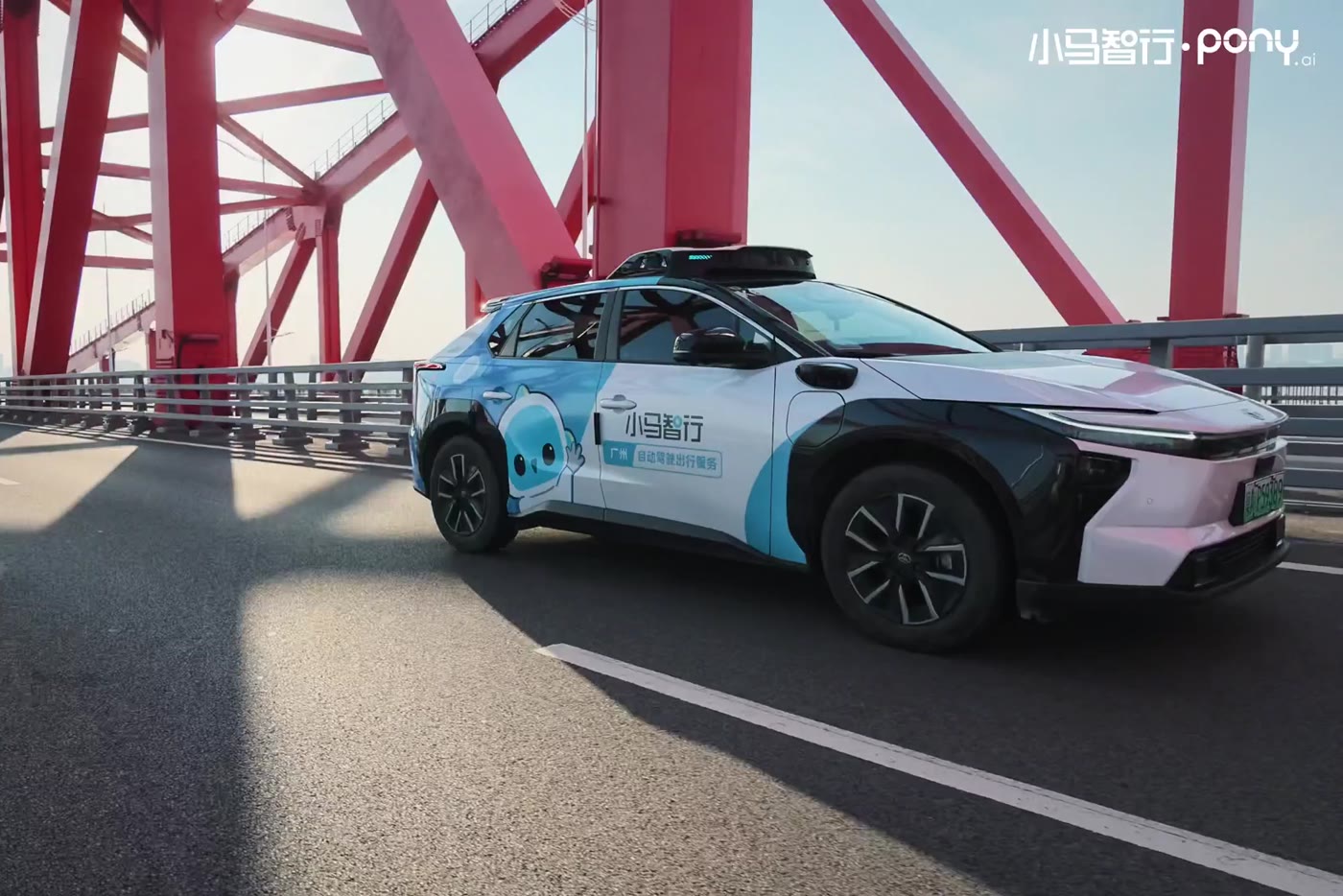
NEW YORK - Pony.ai said on Wednesday that revenue from its robotaxi business rose 165.4 percent in the third quarter from a year earlier, to $17.8 million, as the Chinese company put more of its seventh-generation driverless cars into paid service and sold more vehicles to partners, according to its quarterly results.
Robotaxi services made up about 40 percent of the company's total revenue, which climbed 75.2 percent to $44.6 million. Fares paid by riders grew by nearly 400 percent, the company said. Its fleet reached 2,768 robotaxis as of Sept. 30, and Pony.ai said it remained on track to deploy 3,500 vehicles in 20 cities worldwide by the end of the year.
Revenue from its autonomous trucking business rose 76.3 percent to $18.0 million, which the company attributed to growth in freight services supported by its work with the logistics group Sinotrans. Pony.ai's loss from operations narrowed slightly, to $68.7 million from $69.7 million a year earlier.
"We remain on track to achieve our 2026 targets: expanding our Robotaxi fleet to 3,500 vehicles deployed in 20 cities worldwide by year-end, while growing full-year Robotaxi services revenues to 3.5 times the 2025 level," Leo Wang, the chief financial officer, said in the statement.
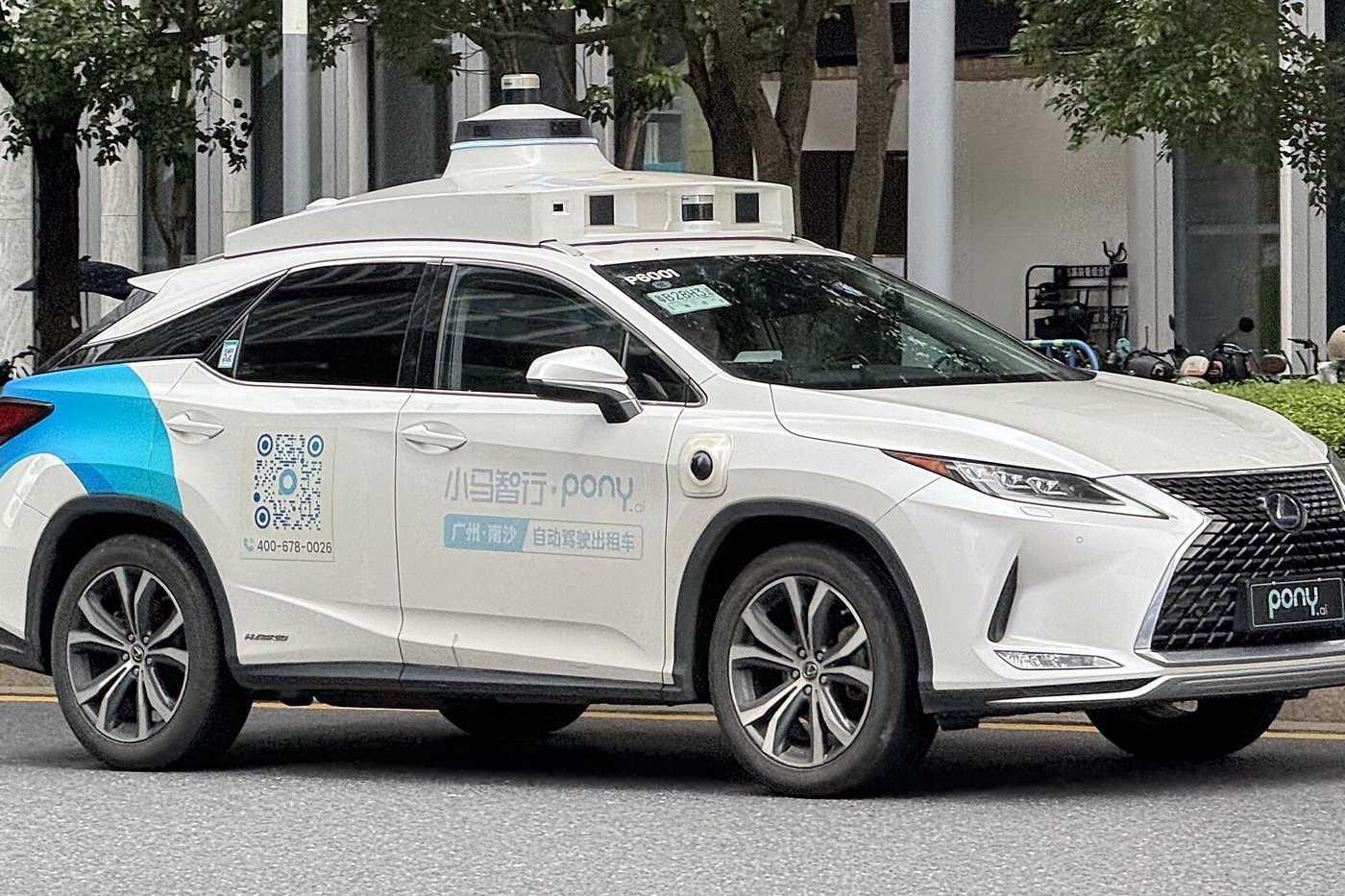
In Guangzhou, where the company holds a citywide commercial permit, its previously separate service areas downtown and in Nansha District now form a single operating area of more than 1,000 square kilometers, which Pony.ai said was nearly nine times the size of San Francisco. It said it was the only operator offering fully driverless paid rides at Shenzhen Bao'an International Airport, and that it had begun deploying vehicles in Hangzhou, Chongqing and Hengqin in Zhuhai.
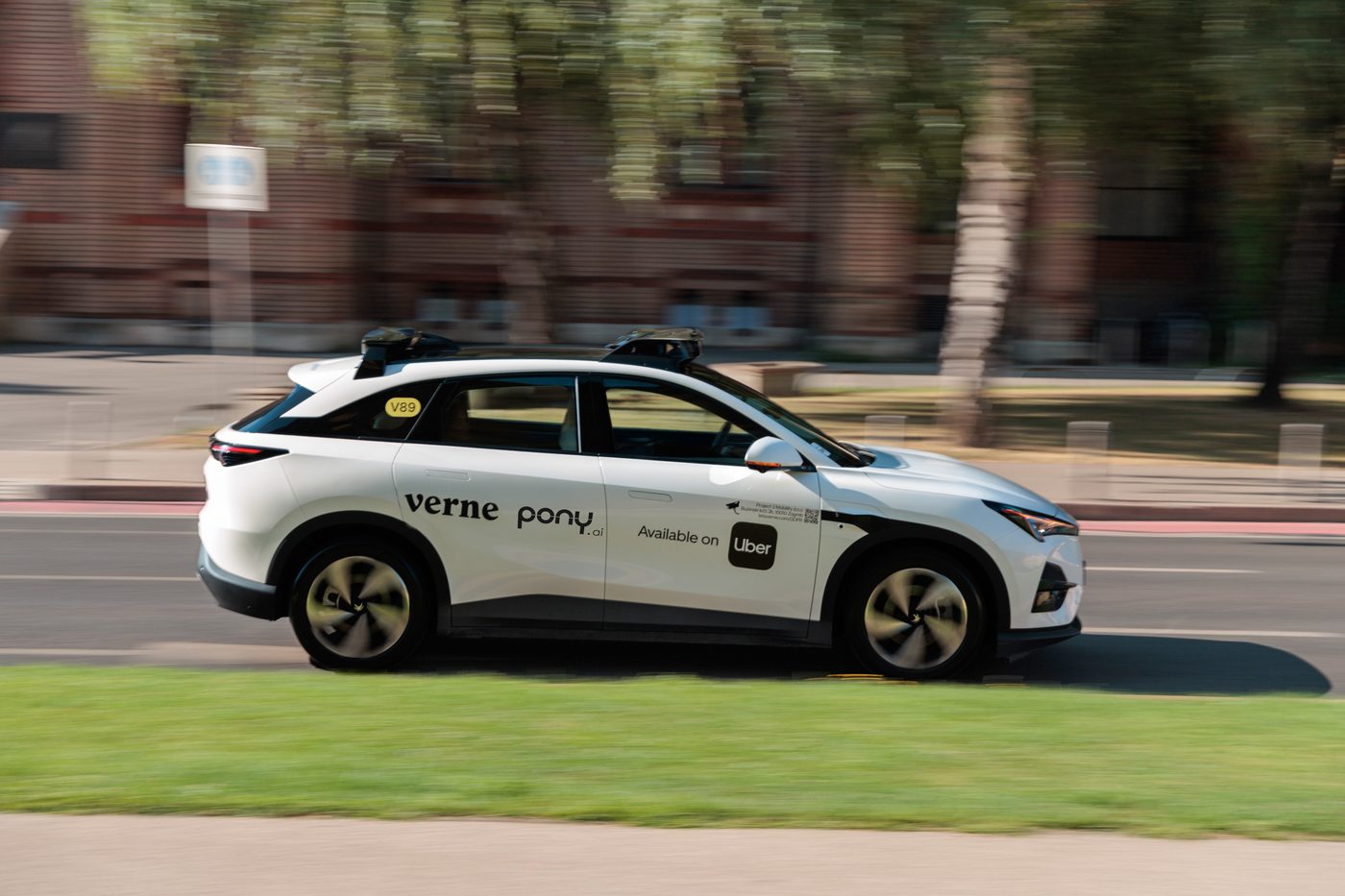
Abroad, Pony.ai said it began what it called Europe's first fully driverless test rides with invited passengers in Zagreb, Croatia, in September, and had logged more than 200,000 kilometers and several thousand passenger trips there since service began in April. Road testing is underway in Manchester, England, and the company said it was advancing deployments there and in London.
The company also pointed to its safety record. Insurance premiums for its seventh-generation robotaxis fell 19 percent on renewal, it said, to about 40 percent of what is paid for human-driven taxis, compared with about 50 percent in 2025.