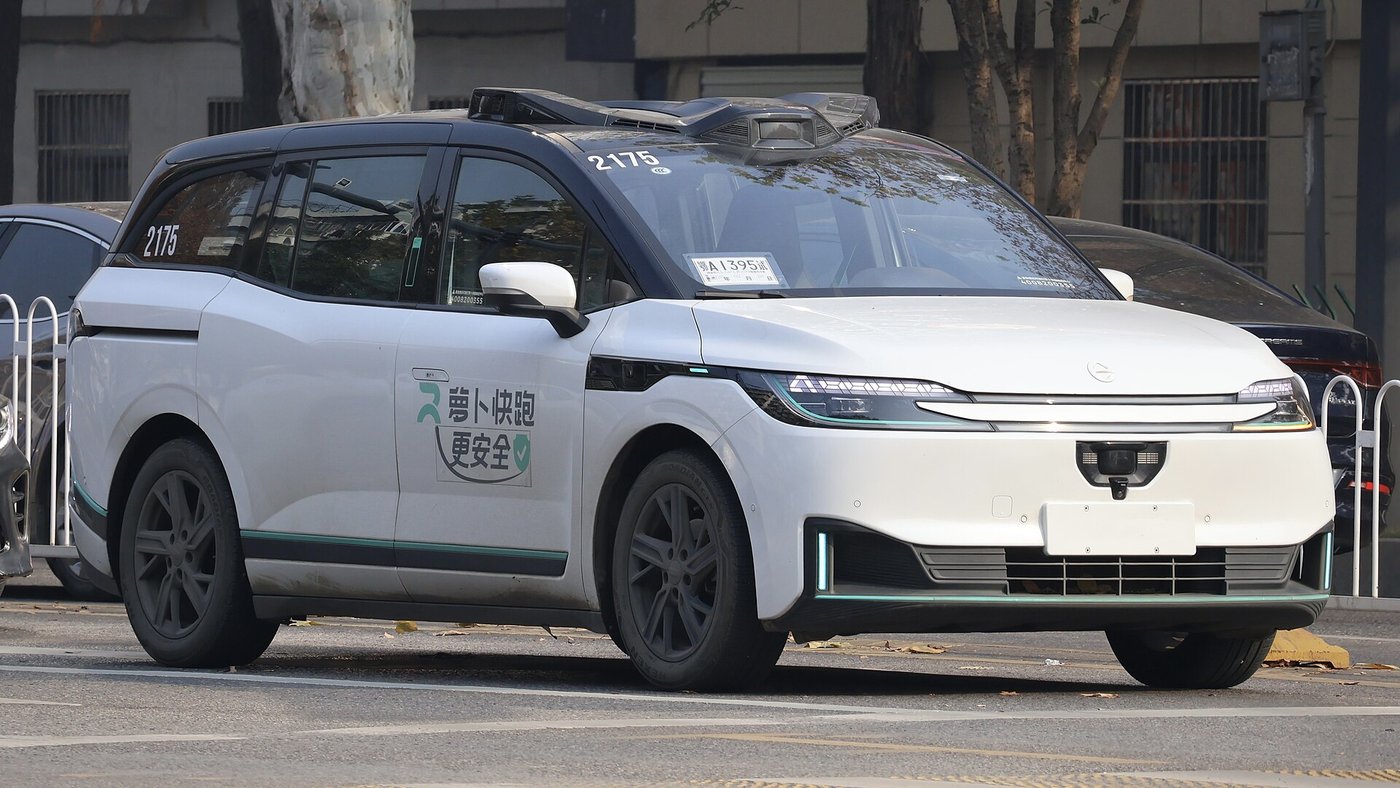
BEIJING - Baidu's Apollo Go robotaxi service had reached 30 cities worldwide as of October, the company said on Monday as it reported third-quarter results, and fully driverless rides in Shenzhen, now one of its largest markets, rose about 170 percent from the previous quarter.
Apollo Go fleets drove about 34 million autonomous kilometers in the three months to Sept. 30, Baidu said. As of Oct. 31, the fleet had accumulated more than 390 million autonomous kilometers in total. The company did not give a ride count or fleet size for the quarter in its results announcement.
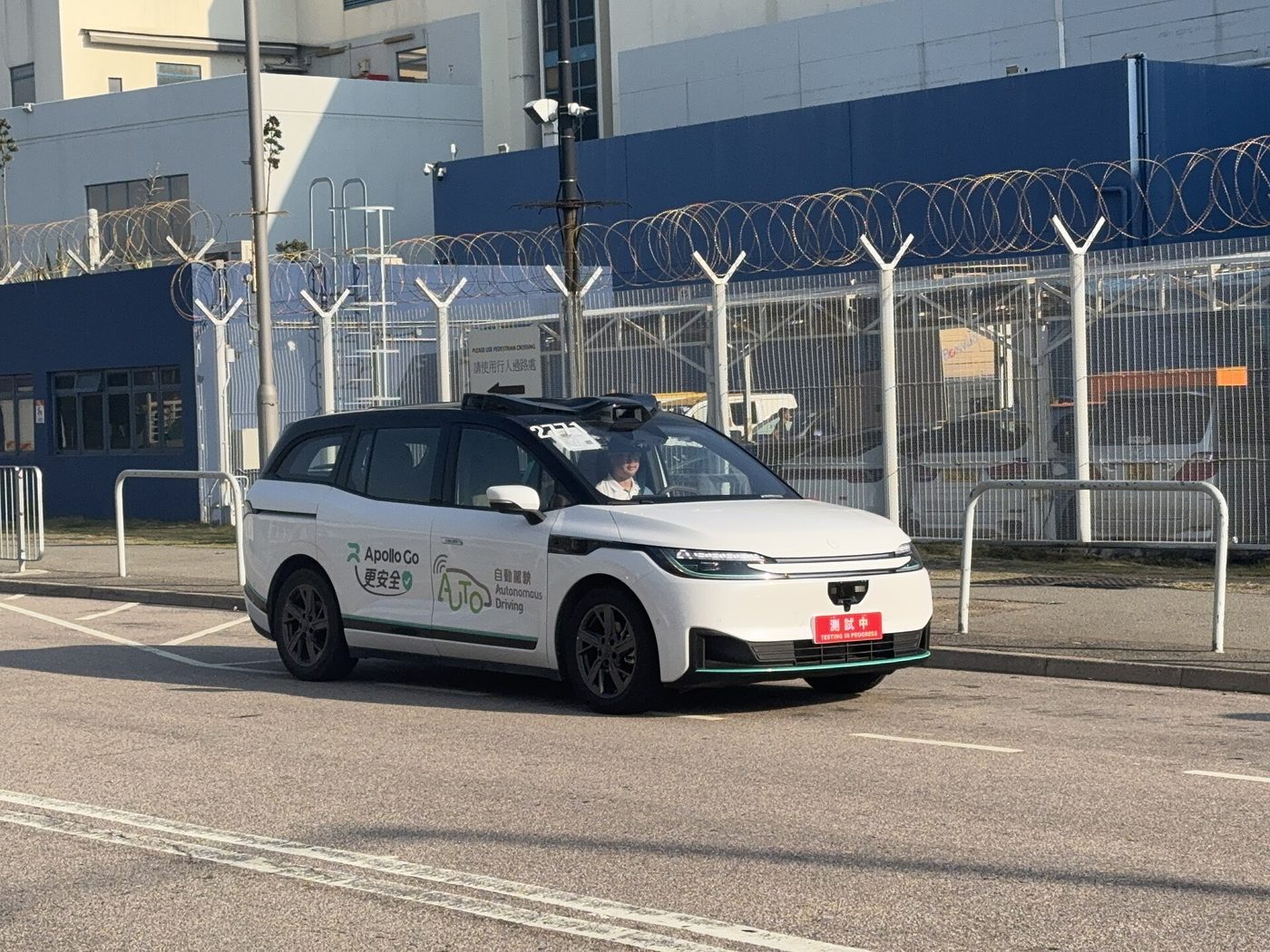
Outside mainland China, Baidu said Apollo Go had expanded fully driverless commercial operations in Dubai, broadening its operating area and doubling its fleet there. In London, it continued open-road testing with Uber and Lyft and gradually widened its test areas. In Hong Kong, it kept up fully driverless testing on Airport Island.
London has become a closely watched test of Chinese robotaxis abroad. Baidu and Freenow, the ride-hailing app owned by Lyft, said last month that they hope to start a commercial driverless service there in 2027.
The robotaxi figures came alongside a soft quarter for Baidu as a whole. Revenue was 30.8 billion yuan, or $4.60 billion, down 1 percent from a year earlier and 2 percent from the second quarter, as online marketing revenue fell 22 percent. Operating income was 626 million yuan, or $93 million, for an operating margin of 2 percent.
Robin Li, Baidu's co-founder and chief executive, pointed to the company's artificial intelligence business, saying, "We are pleased to see our AI-first strategy yielding tangible results even as we navigate headwinds in online marketing." Revenue from AI Cloud Infra rose to 8.2 billion yuan in the quarter, the company said.
Baidu also said Apollo Go had been selected in September by the United Nations Global Compact and the Listed Companies Association of China as a representative case of sustainable overseas operations by Chinese companies, and that it won the Consumer Service Award at the Self-Driving Industry Awards in Britain in October.