STUTTGART - Mercedes-Benz said on Friday that it would extend its partnership with Nvidia to develop its next generation of driver-assistance and automated driving systems, a day after Volvo Cars announced a similar expansion with the chipmaker. Both carmakers will build on the same Nvidia technology, and neither gave a launch date or named the first models that will carry it.
In a joint statement issued from Stuttgart and Santa Clara, Calif., the companies said Mercedes's MB.OS operating system would work with Nvidia's Hyperion in-vehicle computer and sensor architecture. Nvidia's Alpamayo Stack, driving software the companies said has AI reasoning capabilities, will support point-to-point assistance on city streets, active safety and automated parking. A third Nvidia product, Halos, adds a parallel safety stack that the statement said provides redundancy and guardrails.
Together, the companies said, those systems support "the development of future SAE-Level 4 applications, including robolimousines." At Level 4, a car drives itself with no human expected to take over, but only within defined conditions such as a mapped area or suitable weather. The statement framed the work as advancing highly automated driving in the next decade and did not give a timetable.
"NVIDIA is our most important strategic partner in automated driving," said Jörg Burzer, the Mercedes board member who serves as chief technology officer for development and procurement. "Together, we developed the first Mercedes-Benz assistance system for urban point-to-point driving for the western world. The expansion of our partnership marks a significant milestone and reflects the mutual trust we have built over the years."
Ali Kani, Nvidia's vice president of automotive, said in the statement that "accelerated computing is giving vehicles the intelligence to understand the world and reason through complex driving situations." He added: "Together, we're building on NVIDIA Hyperion to bring that intelligence and full-stack safety to the road and make autonomous driving an everyday reality."
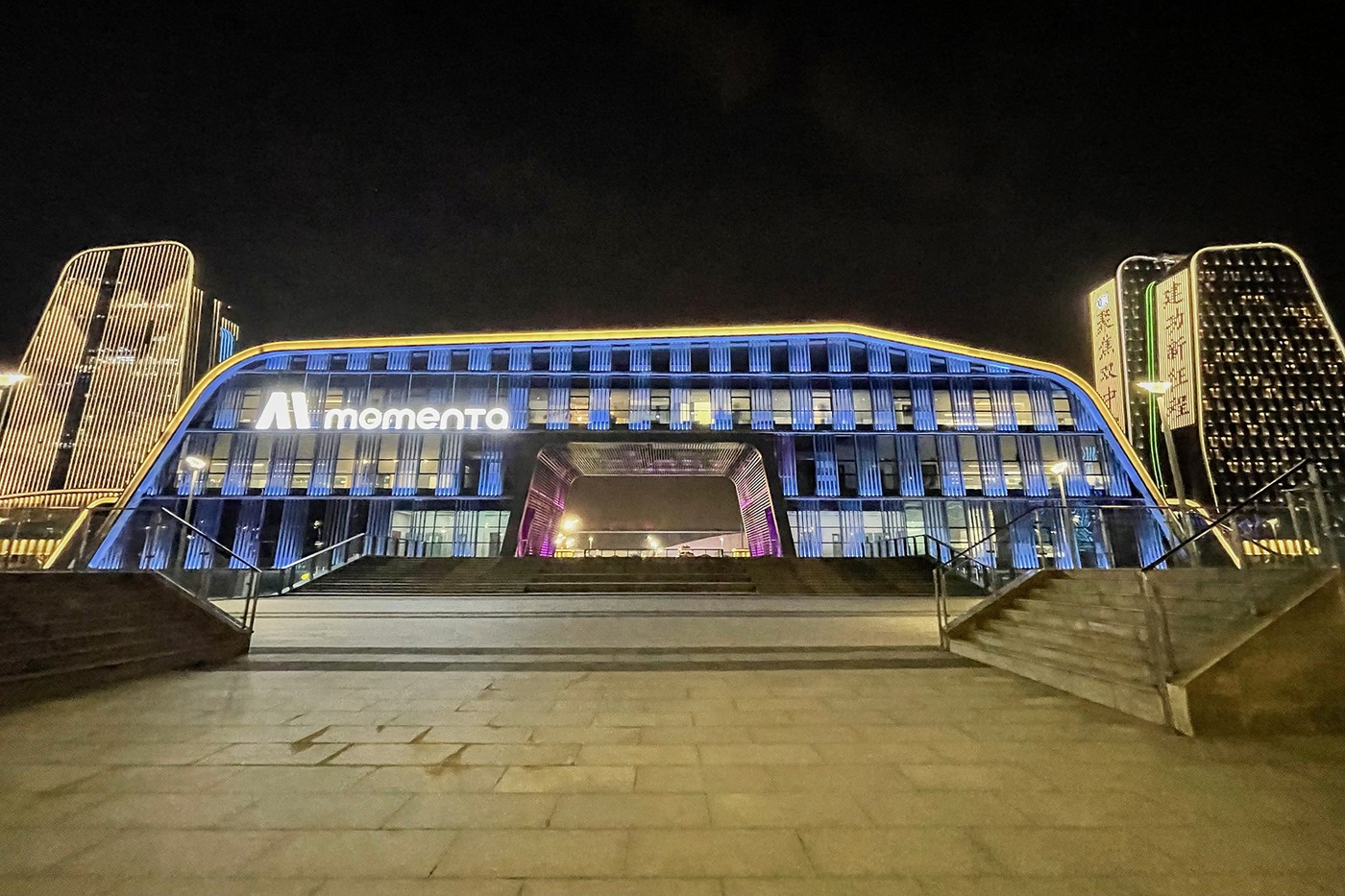
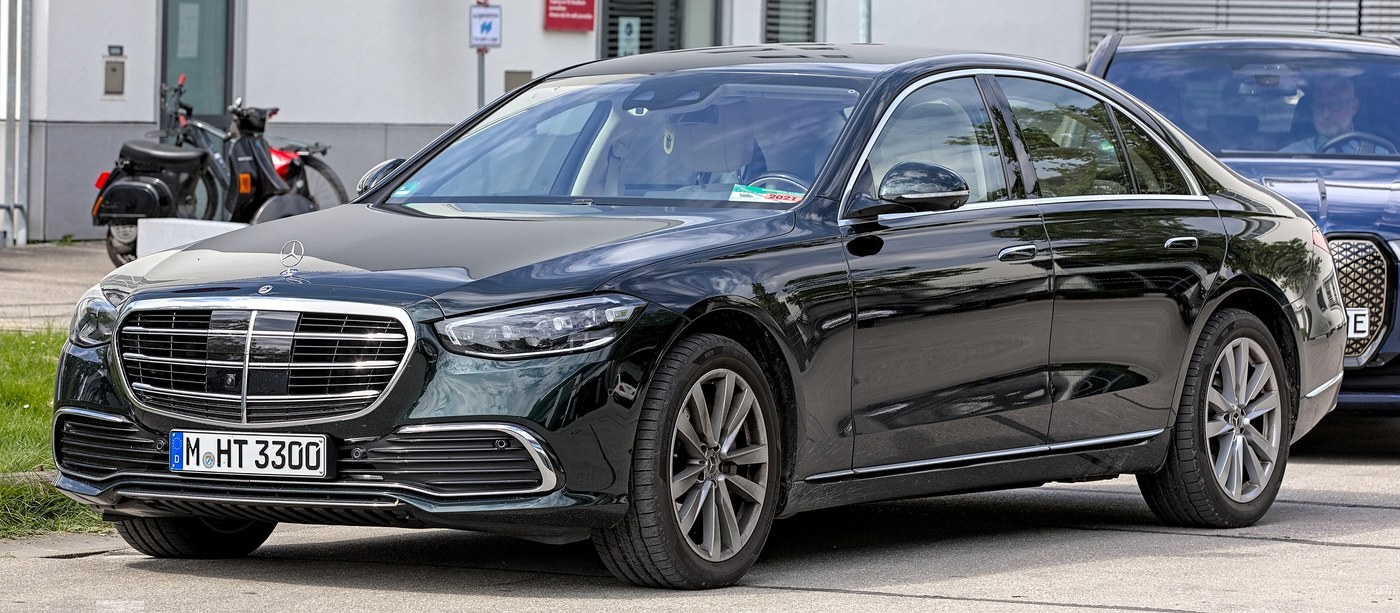
The robolimousine line points to robotaxi work Mercedes has described before. In January, at the unveiling of its refreshed S-Class sedan, Mercedes, Nvidia and Uber said they would build a robotaxi platform on the car and MB.OS, Bloomberg News reported, without giving a start date. In December 2025, Mercedes and the Chinese software company Momenta announced a Level 4 S-Class robotaxi service, with the first test cars going to Abu Dhabi, where Lumo, a subsidiary of the technology company K2, will operate the fleet. Mercedes also says it was the first international automaker approved for Level 4 testing on designated urban roads and highways in Beijing.
Mercedes does not rely on Nvidia alone. In September, the London company Wayve signed a deal to put its AI Driver into future Mercedes cars for point-to-point driving assistance within two years, The Next Web reported. The same outlet said Mercedes lists urban point-to-point navigation on its website as due in selected German cities by the end of 2026.
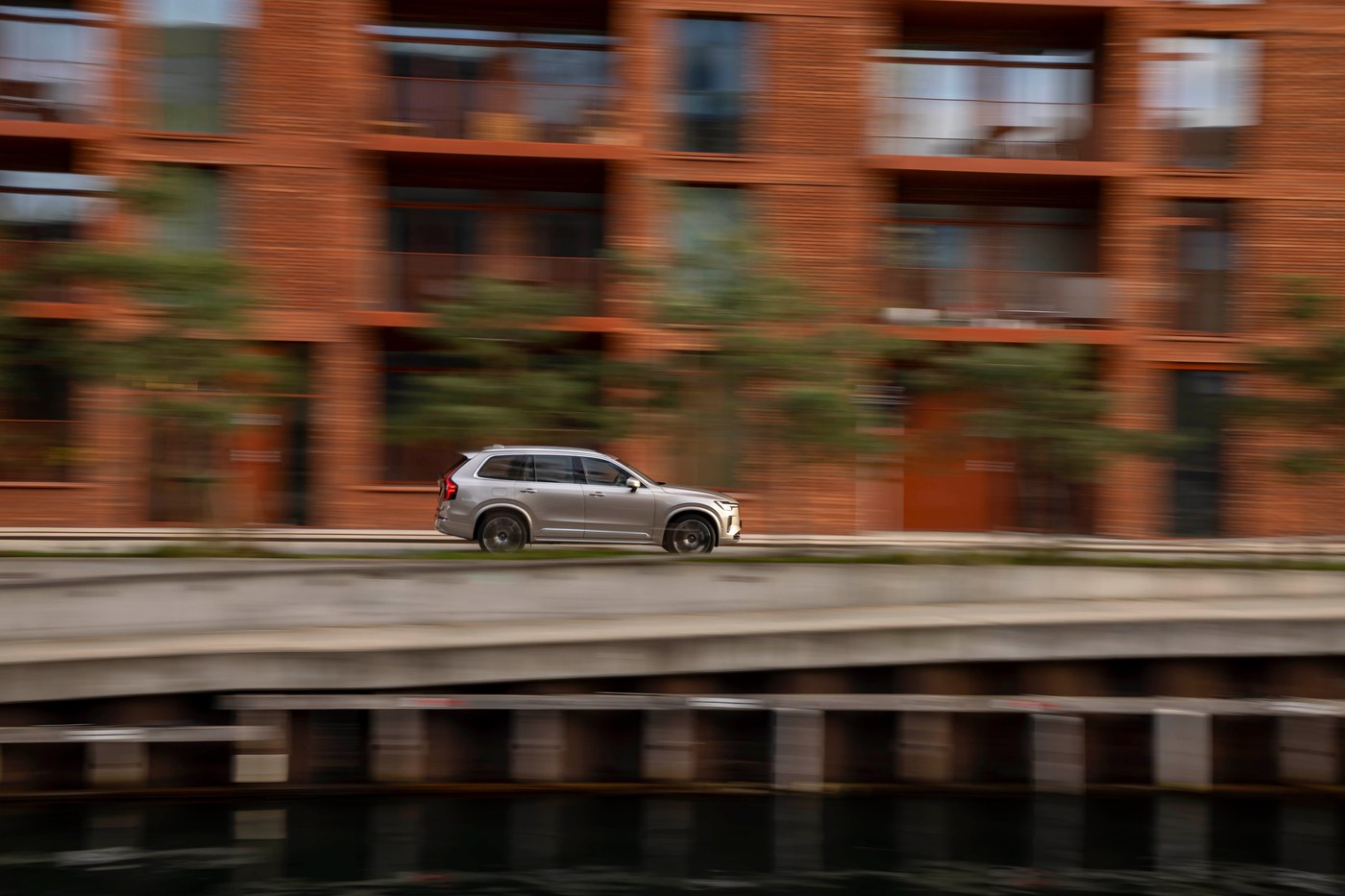
Volvo's announcement on Thursday covered the same three Nvidia products. The Swedish automaker said it would combine its vehicle safety systems with Hyperion, Halos OS and the Alpamayo Stack so that future Volvo cars can navigate "from door to door," including highways, busy urban streets and parking. It said it would introduce "eyes-off and mind-off driving" gradually. The technology will debut in a next-generation Volvo that the company did not name, part of what it called its largest-ever product push.
"Volvo has been synonymous with car safety for almost 100 years," said Håkan Samuelsson, Volvo Cars' president and chief executive. Jensen Huang, Nvidia's founder and chief executive, said the companies were "combining Volvo's extraordinary vehicle safety systems with NVIDIA Hyperion and Halos to build a new generation of cars that make driving safer and more effortless." The two companies have worked together since 2017.
Alwin Bakkenes, Volvo's head of software development, told TechCrunch that the first vehicle with the new Nvidia technology would debut within the decade. All of Volvo's battery-electric cars already use Nvidia's Orin chip, TechCrunch reported, and Mr. Bakkenes said the company would standardize more on Hyperion, including its sensor set. Mr. Kani told the publication that the Alpamayo Stack pairs Nvidia's Alpamayo AI models with classical driving software that uses camera and radar perception. "The point is we run these two stacks at the same time, and we have multimodal sensors in our philosophy because it's a safer product that way," he said.
Nvidia has been signing automakers to the same platform for months. In March, Nvidia and Uber said they planned a fleet of robotaxis driven entirely by Nvidia software, starting in Los Angeles and San Francisco in the first half of 2027 and expanding to 28 cities by 2028, with automaker partners supplying the vehicles. Neither Mercedes nor Volvo said whether its new systems would be part of that fleet.
Neither company disclosed financial terms. Mercedes did not identify the vehicles that will get the new systems, and Volvo did not say when its unnamed car will reach customers.