Fleet on Paper: Bolt Aims for 25,000 Lucid Robotaxis Across Europe
Lucid and Bolt said they will co-develop an ADS-ready Level 4 platform for Europe, with Bolt aiming to own and run at least 25,000 Lucid vehicles as a step toward 100,000 autonomous vehicles by 2035.
Sam Okonkwo, Robotaxi · Sept. 17, 2026 · 5-6 min

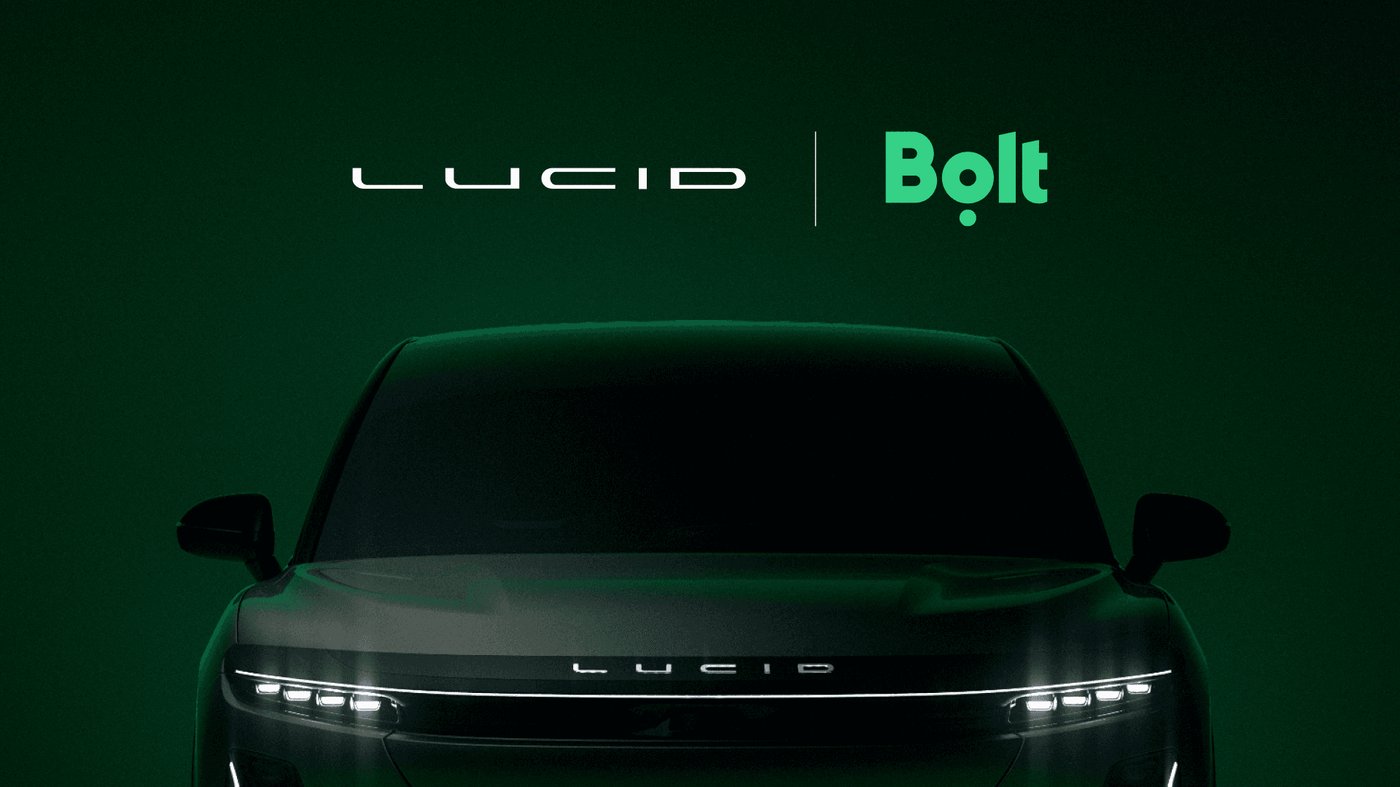
NEWARK, Calif. - Lucid Group and European shared-mobility platform Bolt said on Thursday they are partnering to develop and deploy autonomous ride services across Europe, with Bolt aiming to put at least 25,000 fully autonomous Lucid vehicles on its network in major cities as part of a longer push toward 100,000 autonomous vehicles by 2035.
The announcement, issued jointly from Newark and Tallinn, frames a product-development partnership rather than a finished robotaxi launch. Lucid and Bolt said they will co-develop an autonomous-driving-system-ready vehicle platform designed for SAE Level 4 automation, meaning operation without a human driver inside defined operating conditions and areas. The vehicles are to be based on Lucid's upcoming Midsize platform and are expected to use Nvidia's Hyperion autonomous-vehicle architecture, a production-oriented stack that combines high-performance compute with a standardized sensor suite.
Bolt intends to own and operate the fleet. Its dedicated unit, Bolt Autonomous Driving Solutions, will help set vehicle, software, safety and rider-experience requirements and will build fleet infrastructure, operating systems and city partnerships for a broader rollout. On Lucid's side, the work sits under a newly established Lucid Technologies group that consolidates the company's artificial intelligence, advanced driver assistance, autonomy and related digital functions.
That split of labor matters for how to read the headline number. TechCrunch reported that no money has changed hands, Bolt has not placed a vehicle order, and the companies offered no public deployment timeline beyond describing the 25,000-vehicle target as a major step toward Bolt's 2035 ambition. The partners also said they will work with autonomous-driving technology partners, European regulators and policymakers. In other words, Lucid is supplying an ADS-ready vehicle platform; the Level 4 software stack that turns that platform into a driverless taxi is still described as a collaboration still to be assembled.
Lucid chief executive Silvio Napoli cast the deal as a way to push Lucid's software-defined vehicle technology beyond retail buyers. "Shared autonomous mobility offers the perfect opportunity to extend our unique technology beyond consumer vehicles," Napoli said in the companies' release. "Bolt's reach and operating expertise make it an ideal partner to scale autonomous mobility across Europe. Together we will deliver an exceptional customer experience."
Bolt founder and chief executive Markus Villig framed Europe as a systems problem that a vehicle maker alone cannot solve. "Autonomous driving in Europe requires data, software, vehicles, and operations to work as one system built for European roads and regulation," Villig said. "Lucid brings a world-class platform, and together, we will co-design the vehicle and software based on our data and more than a decade of operating experience across more than 850 cities. No one is better placed to operate autonomous mobility services efficiently at scale."
Bolt says it operates in more than 50 countries and 850 cities, with more than 200 million customers and more than 4.5 million drivers and couriers on its platform. That operating footprint is the commercial argument for the partnership: a continental ride-hailing network that wants to own the robotaxi fleet rather than only broker rides.
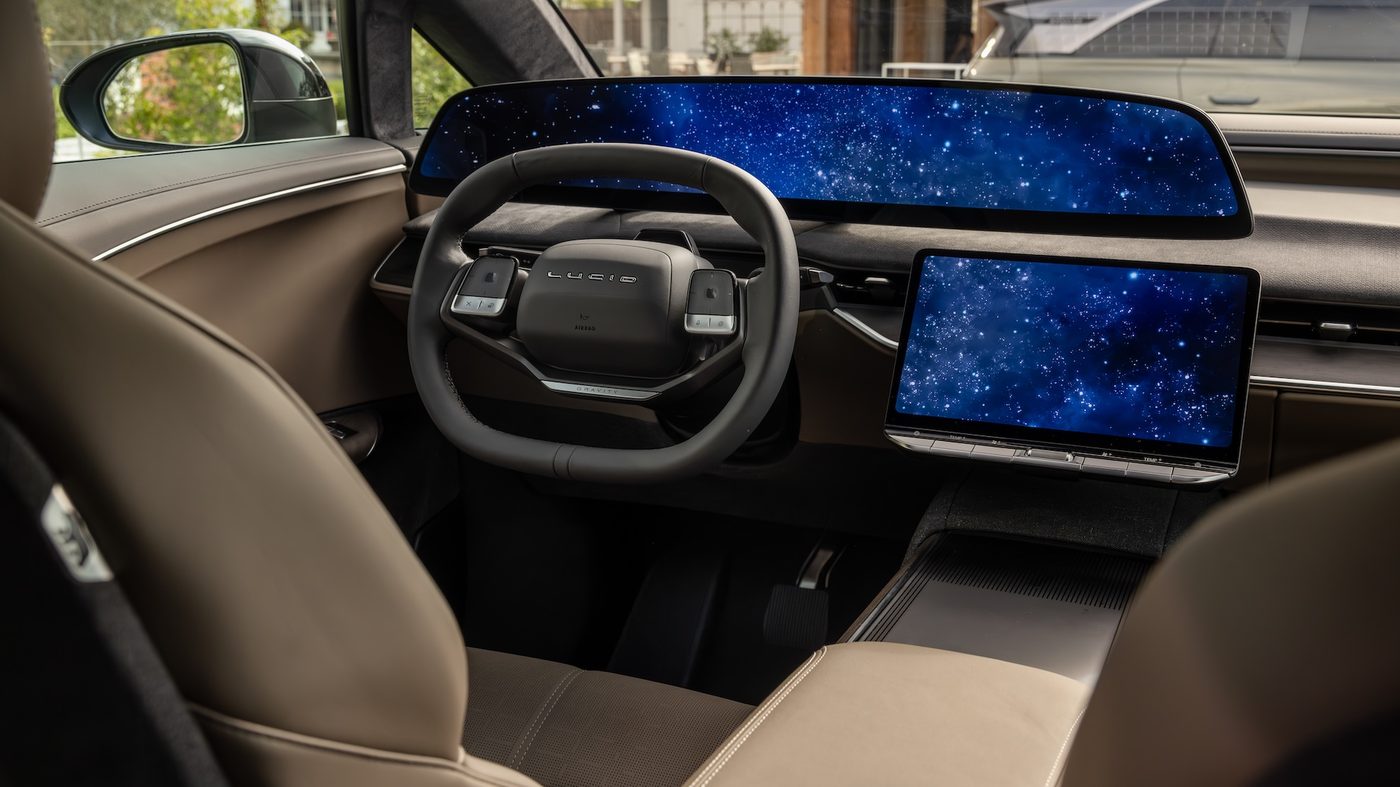
The Europe bet arrives beside Lucid's separate United States robotaxi partnership with Uber and autonomous-driving firm Nuro. Reuters reported that under that arrangement Uber has committed to deploy at least 35,000 Lucid vehicles, including the Gravity SUV and models from the Midsize platform, with deployments described as starting this year. Electrek noted that Lucid's role in both the Uber and Bolt deals is primarily the vehicle, not the finished autonomy stack. For Bolt, Hyperion is compute and sensing infrastructure; the announcement still leaves the identity of the Level 4 driving software partner unnamed.
The Midsize platform itself is not yet on the road. TechCrunch reported that Lucid, under Napoli, recently laid off nearly 20 percent of its workforce and delayed the first Midsize vehicle by almost a year, to the second half of 2027. Electrek tied that delay to Lucid's August operational reset and said neither company gave a deployment date for the Bolt fleet. Any 25,000-vehicle European robotaxi count therefore sits on a platform that Lucid has publicly pushed into late 2027 for consumer launch, before ADS-ready fleet versions can follow.
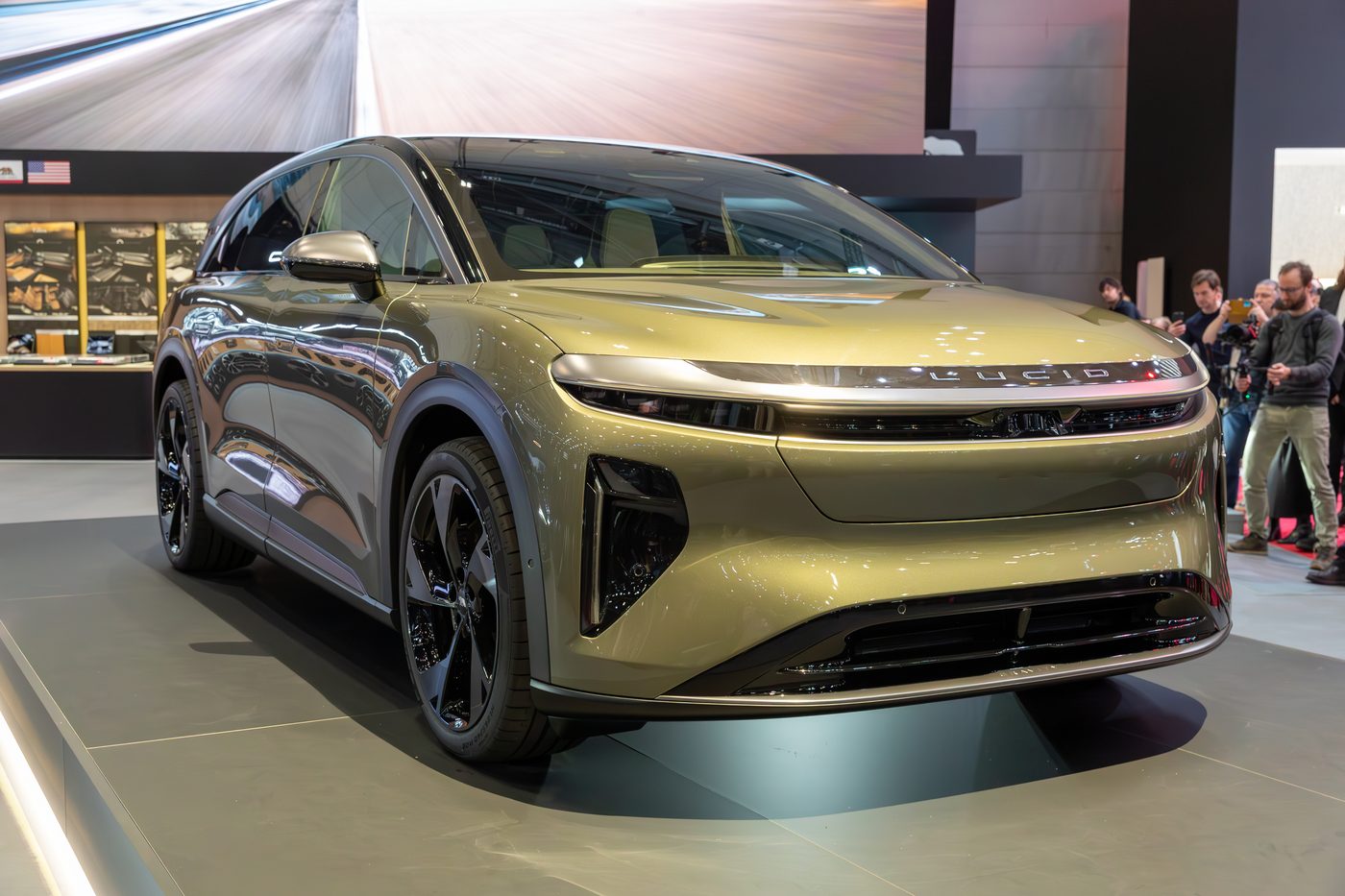
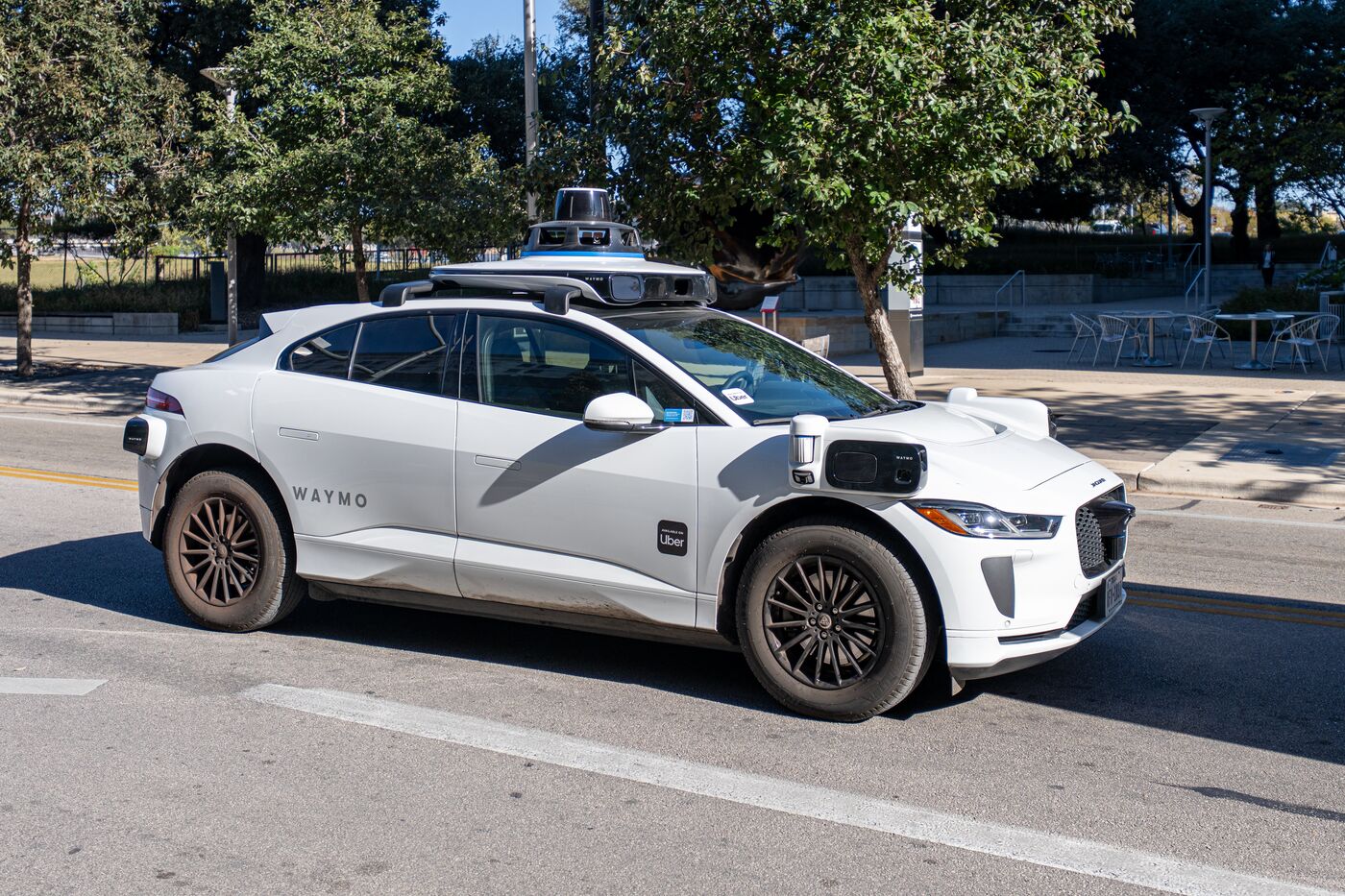
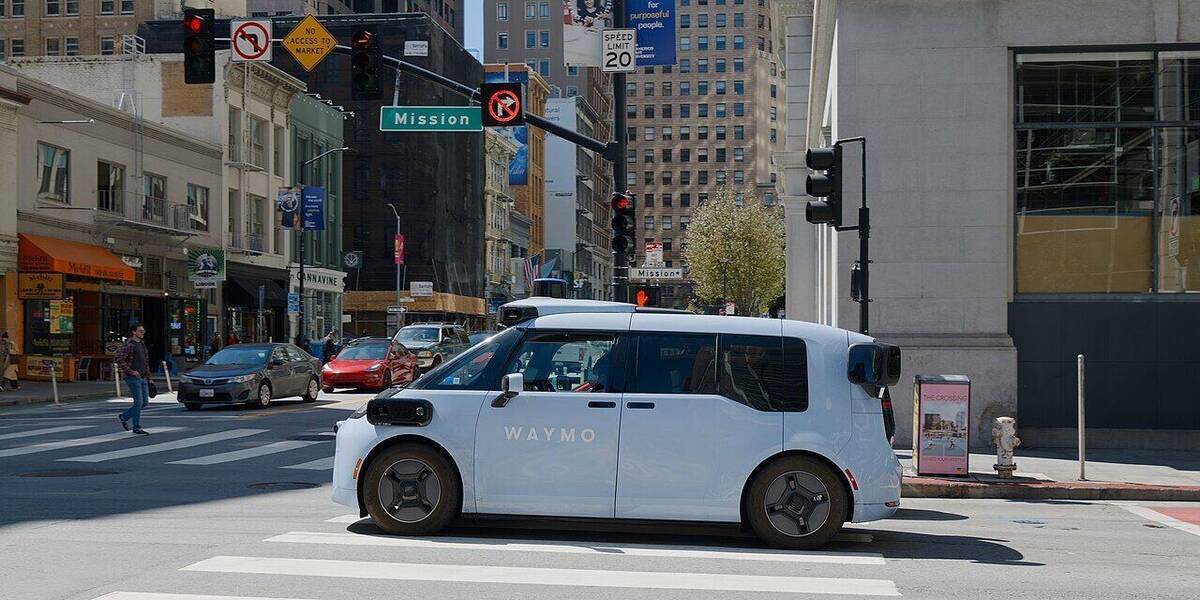
Europe's robotaxi map is already crowded with smaller, nearer-term experiments. Uber, Verne and Pony.ai have put robotaxi rides on the road in Zagreb. Alphabet's Waymo is testing in Munich ahead of a planned German launch later in the decade. Spain this month issued a national Level 4 passenger permit path for WeRide, Uber and AVOMO in Madrid. Bolt's 25,000 figure would dwarf those early fleets if it materializes, but it is a target attached to an undeveloped Midsize platform and an incomplete autonomy stack, not a count of cars already mapping European streets.
Reuters said Lucid shares rose 5.5 percent in premarket trading after the announcement. Markets can price a memorandum faster than cities can license empty front seats. For the driverless beat, the durable facts are narrower: Bolt wants to own and run Level 4 Lucids built on Midsize hardware with Nvidia Hyperion; Lucid wants a European fleet customer while it restructures and waits on Midsize; and both companies still need software partners, regulators and a production car that does not yet exist before "25,000" becomes anything a rider can hail.
What to watch next is the conversion from press release to contract. TechCrunch's reporting that no order and no cash have moved is the baseline. A definitive vehicle order, a named autonomy software partner, a city with a published operating design domain, or the first Midsize ADS-ready prototype on European pavement would turn today's paper fleet into a deployment story. Until then, Europe's largest announced Lucid robotaxi ambition remains exactly that: an ambition.
Sources
- https://www.prnewswire.com/news-releases/lucid-and-bolt-partner-to-develop-and-deploy-autonomous-mobility-at-scale-across-europe-302881323.html
- https://www.reuters.com/technology/lucid-bolt-team-up-deploy-25000-robotaxis-across-europe-2026-09-17/
- https://techcrunch.com/2026/09/17/lucid-motors-has-a-potential-robotaxi-partner-for-europe/
- https://electrek.co/2026/09/17/lucid-bolt-25000-autonomous-evs-europe/
Sam Okonkwo, Robotaxi. Sam Okonkwo is a senior correspondent covering robotaxis, fleet ops, and paid driverless service. Previously reported transport tech for trade titles; based in Austin.