TOKYO - Did you know that on 1 November 1995 Tokyo opened its first fully automated, driverless transit system? Yurikamome, the Tokyo Waterfront New Transit Waterfront Line, began revenue service that day with nobody in the cab, rubber-tyred cars on a concrete guideway, and a route from Shimbashi toward the Rinkai waterfront on Tokyo Bay.
Yurikamome Inc. still lists the opening date as 1 November 1995 and describes the operation method in plain terms: an automated transit system with no on-board drivers. A Japanese government feature in Highlighting Japan later called it Tokyo's automated transportation system, controlled by computer and fully automatic, with no drivers' or conductors' cabins so passengers can look straight through the front windows. The same feature said the first section, about 12 kilometres from Shimbashi to Ariake, opened that November, and that the line was later extended from Ariake to Toyosu in March 2006.
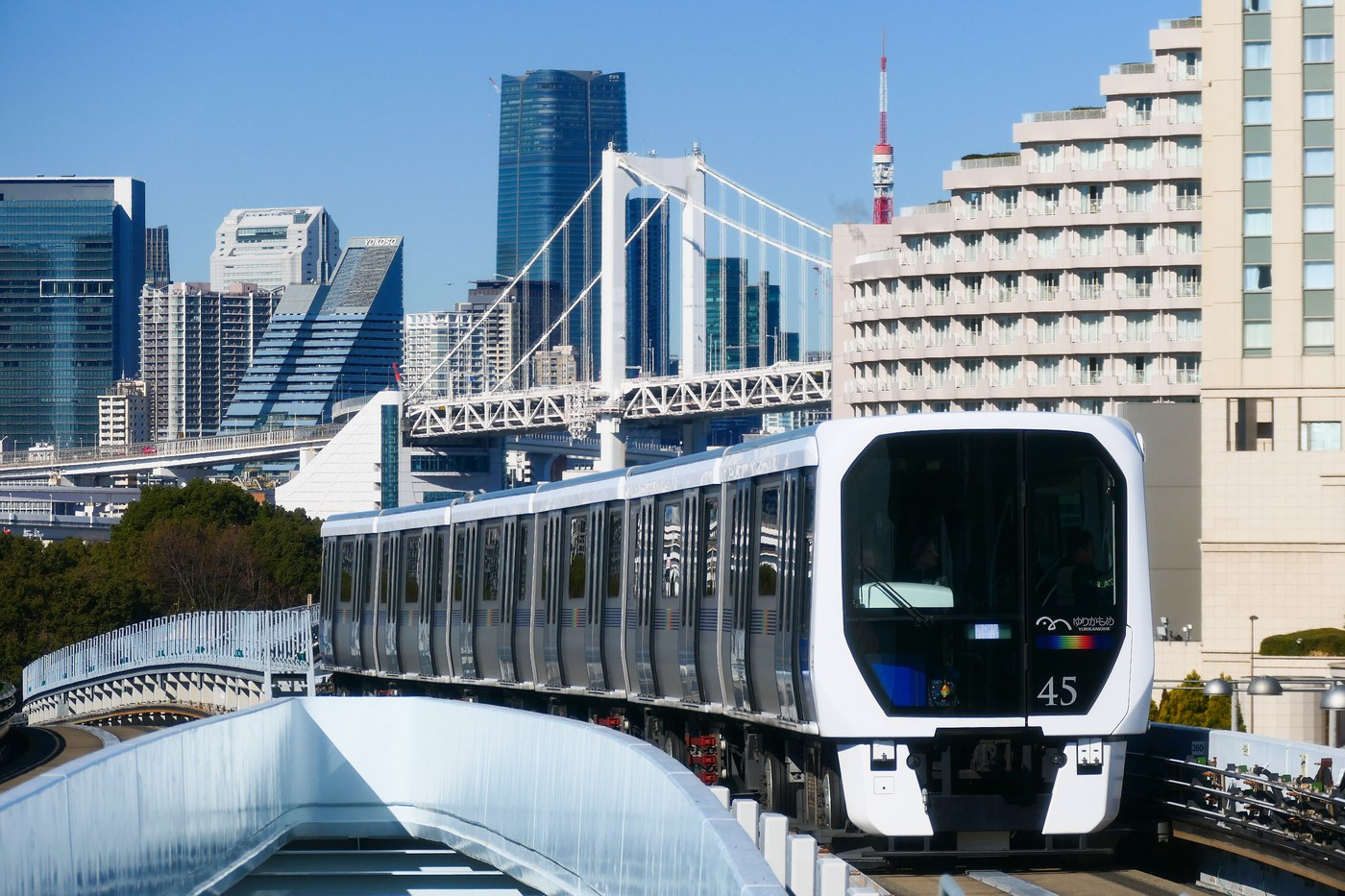
Today the company overview puts the full Shimbashi to Toyosu line at 14.7 kilometres with 16 stations, a 31-minute end-to-end trip, and six-car trains sized for about 306 to 338 passengers. Power comes from three-phase AC 600V on a rigid double trolley. The Highlighting Japan piece stressed the rubber tires and elevated concrete guideway: four tires per carriage, sharp curves and slopes without a heavy subway dig, and peak service of about 18 trains per hour. Because there is no onboard driver roster to stretch, the operator can add extras for big events without hiring more cab crews.
The company history tables show how quiet the first winter was, and how fast the waterfront filled in. In fiscal 1995, the opening year, average daily riders were about 27,183. By fiscal 1996 the daily average had jumped to about 64,468. The business was first incorporated as Tokyo Waterfront New Transit Co., Ltd. in April 1988. It took the Yurikamome name in April 1998. The March 2006 Toyosu extension added four stations (Ariake-Tennis-no-mori, Shijo-mae, Shin-Toyosu and Toyosu), linked the line to Tokyo Metro's Yurakucho Line, and locked in the 14.7-kilometre route the company publishes today.
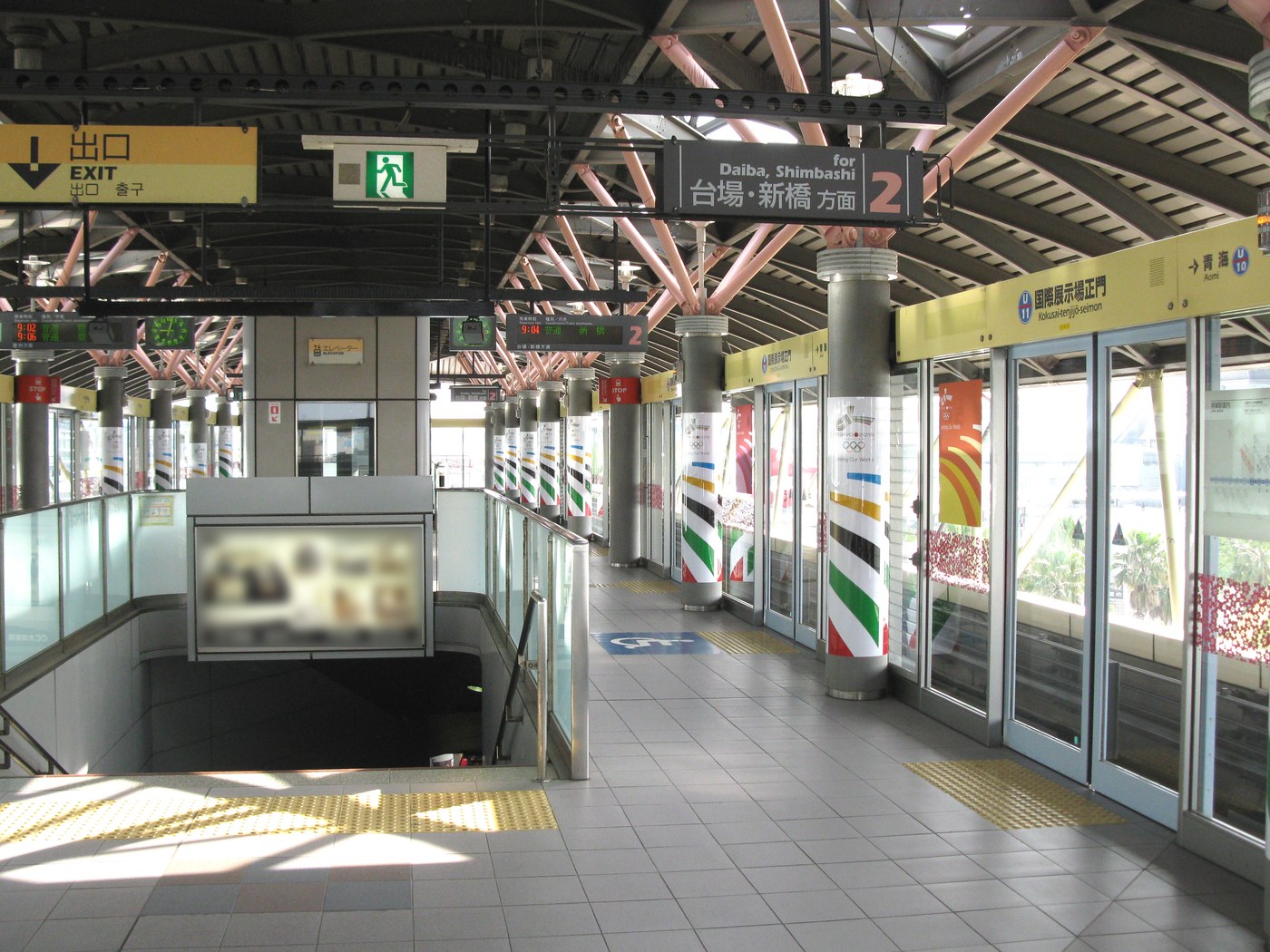
Japan already had driverless automated guideway transit before Yurikamome. Kobe's Port Liner opened in 1981, and Osaka's New Tram followed the same year. Those lines proved empty-cab AGT outside Tokyo. Yurikamome's peg is local and metropolitan: the capital's first fully driverless transit line, strung above roads and across the Rainbow Bridge corridor to serve a reclaimed bayfront that was still being built when the trains started. Central command staff monitor the system. The cars keep rolling without anyone in a cab.
That is the curiosity for a robotaxi era. Decades before empty front seats became a street-level product pitch, Tokyo was already running a waterfront people-mover with no onboard driver, rubber tires on concrete, and a timetable held by computers rather than cab crews. The line still carries more than 100,000 riders on an average day, according to the company's current overview. The November 1995 debut remains the milestone: Tokyo's first fully driverless transit system, Shimbashi toward Ariake, automated from the first revenue trip.