SINGAPORE - Did you know the world's first fully automated underground heavy-rail metro opened here in 2003 with no driver in the cab and platform screen doors at every station?
That line is the North East Line (NEL). Singapore's Land Transport Authority calls it the world's first fully automated underground driverless heavy rail rapid transit line. Alstom, which supplied the trains and train control, said SBS Transit began commercial service on 20 June 2003 and that the NEL was then the world's first fully automatic heavy-rail metro. Fourteen stations opened that day. Buangkok and Woodleigh followed later. The original project, archived by LTA, described a fully underground route of about 20 kilometres with trains run from an operations control centre rather than by onboard drivers.
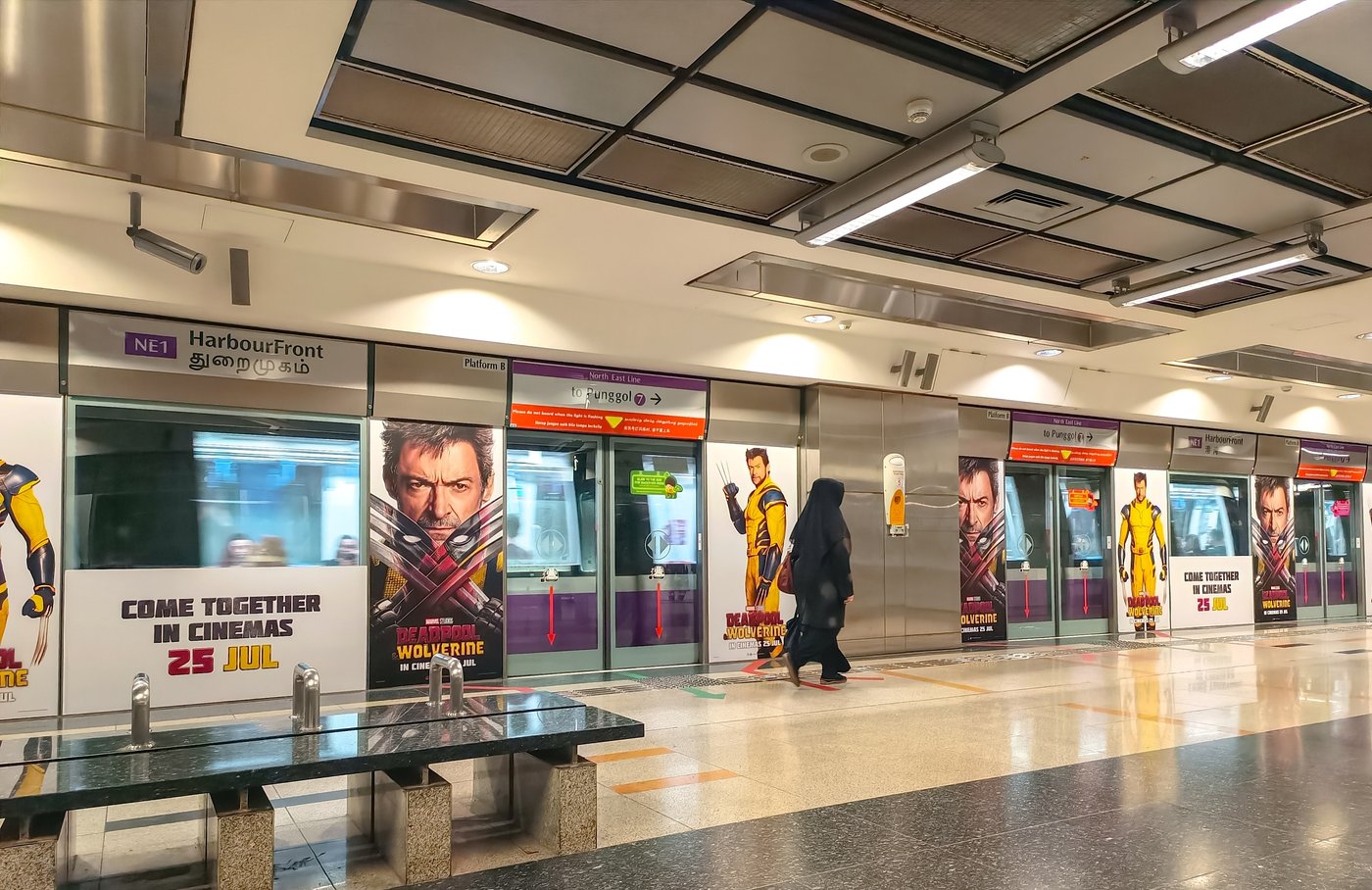
Alstom designed, built and integrated 25 six-car Metropolis trains and its Urbalis 300 communications-based train control under contracts signed with LTA in 1997 and 1998. The moving-block system was built for headways as short as 90 seconds and for precise stops that line up with full-height platform screen doors. Alstom said each train could carry more than 1,900 passengers and that peak speed was 100 kilometres per hour. Opening-day ridership was reported at about 220,000 trips. Performance targets cited in contemporary Straits Times coverage reprinted by Alstom included tight limits on delays and on how often staff needed to step into a train.
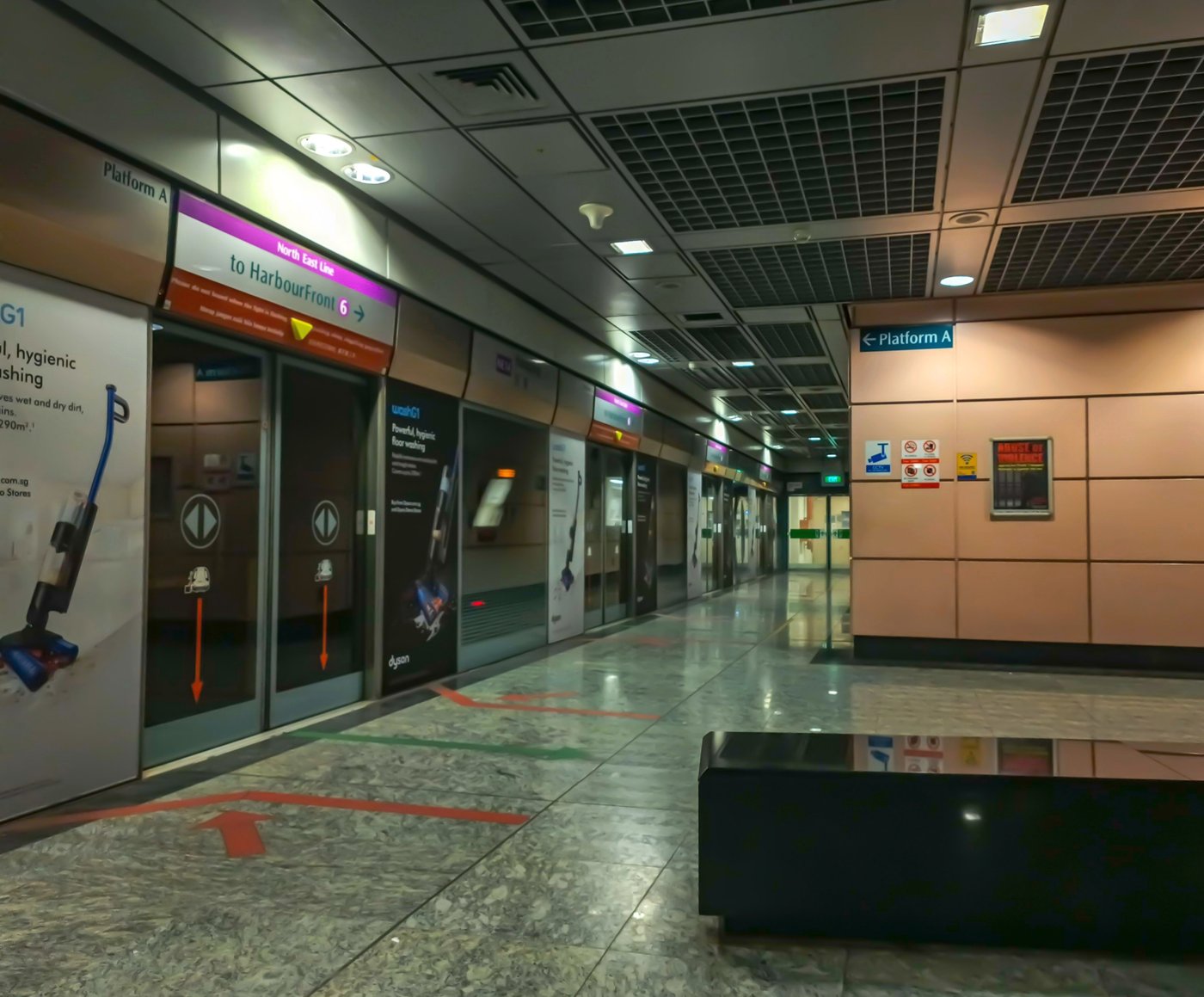
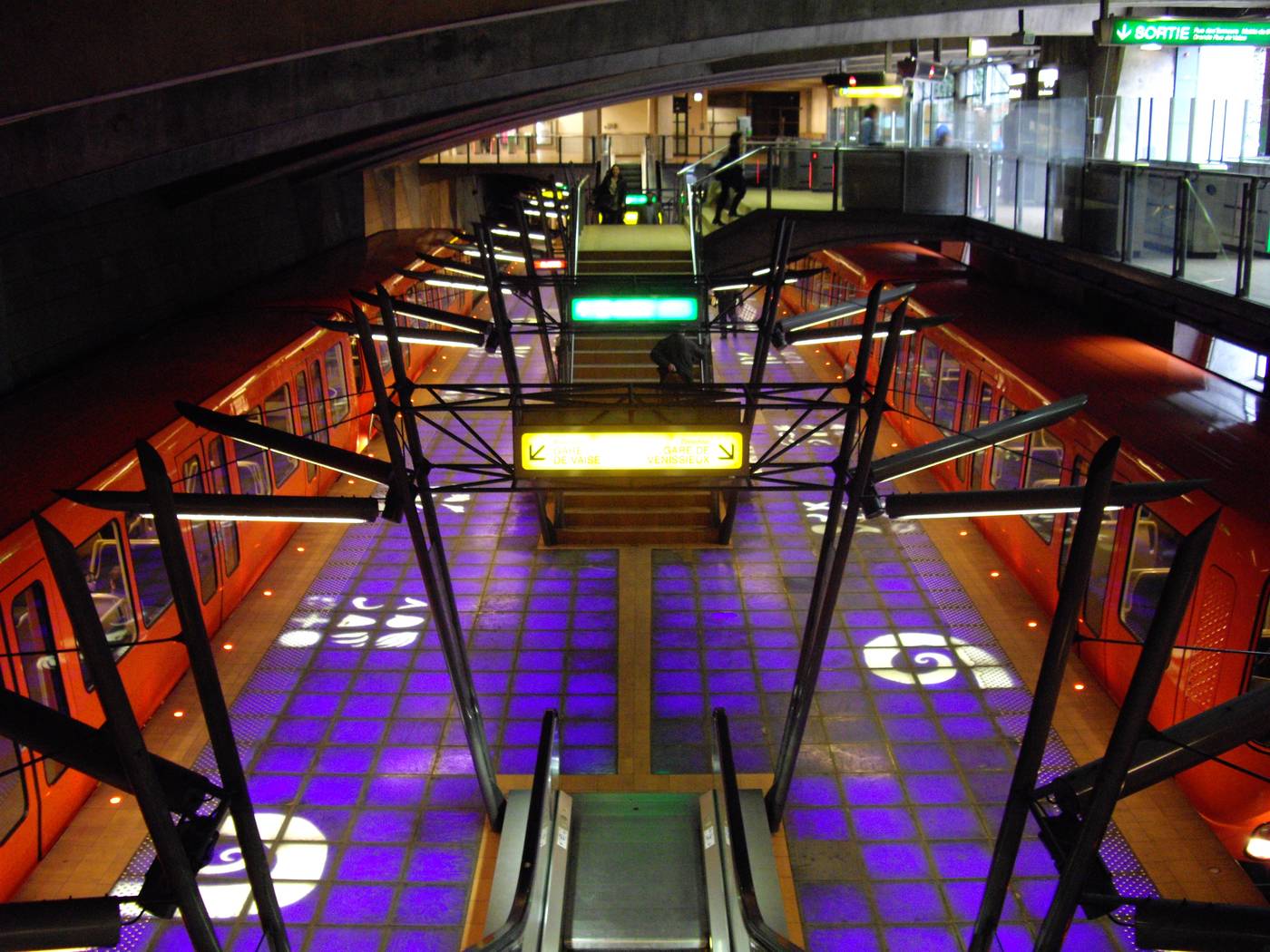
The curiosity is the jump in scale. Earlier driverless metros such as Lille's VAL and Lyon's Line D proved empty-cab transit on rubber-tyred or small-profile systems. Vancouver's SkyTrain and London's Docklands Light Railway showed automated urban rail years earlier too. The NEL put GoA4 automation on a full underground heavy MRT line, with steel-wheel trains, platform screen doors from the start, and no cab staff on board. Long before robotaxis sold empty front seats on city streets, Singapore was already running heavy metro that way under the city.