PERTH - Did you know the world's first autonomous heavy-haul, long-distance rail network carries iron ore across Western Australia, with its trains monitored from an operations centre in Perth more than 1,500 kilometres from the track?
The system is Rio Tinto's AutoHaul. On 10 July 2018 an autonomous train with three locomotives and about 28,000 tonnes of iron ore travelled more than 280 kilometres from the company's mines at Tom Price to the port of Cape Lambert, Rio Tinto said. The run followed regulatory approval that May. By 28 December 2018 the company said AutoHaul was fully deployed, calling it the world's largest robot and the first automated heavy-haul, long-distance rail network. Its trains had by then covered more than 1 million kilometres autonomously.
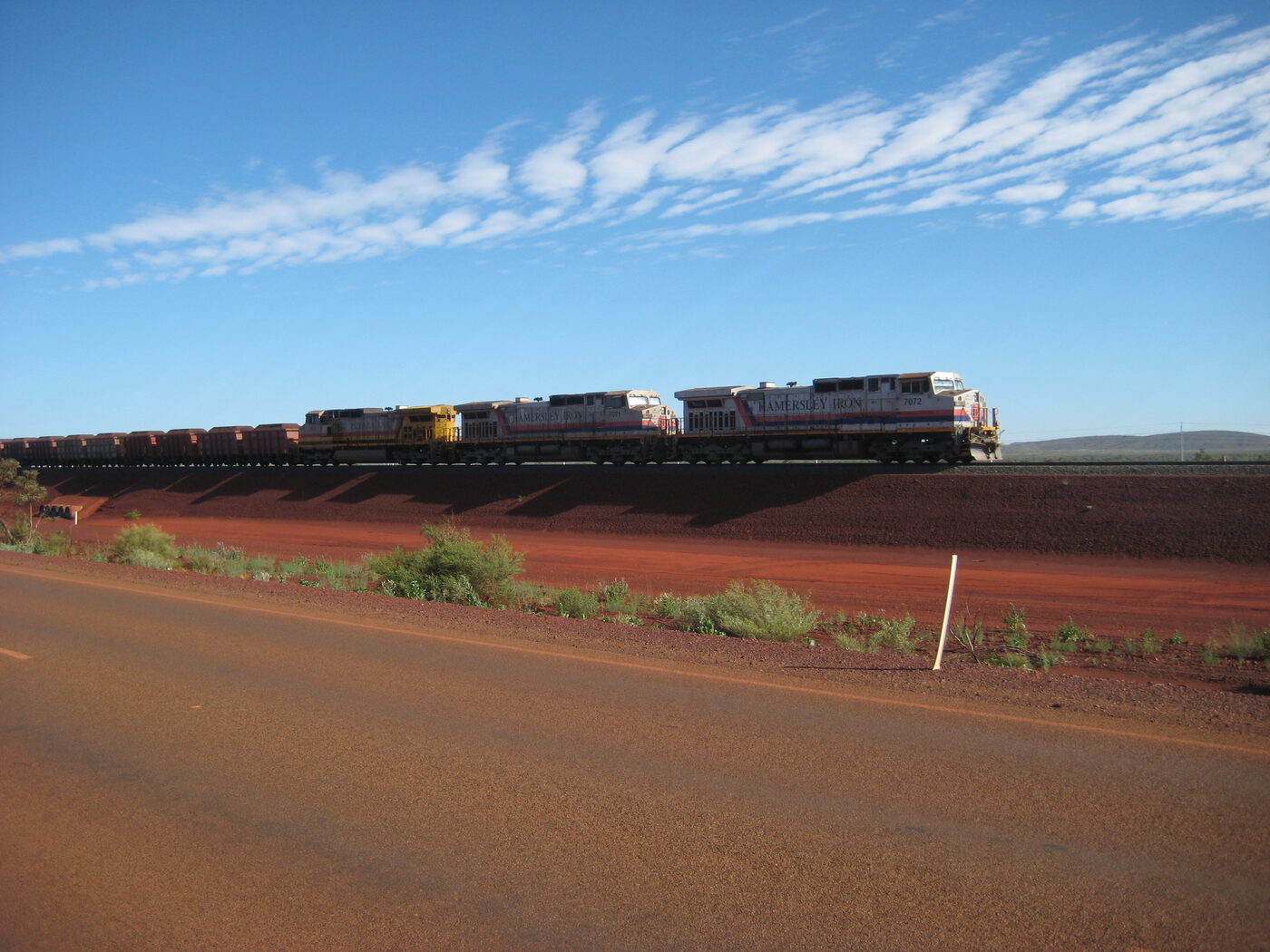
The scale is what sets it apart. Rio Tinto said it runs about 200 locomotives on more than 1,700 kilometres of track in the Pilbara, hauling ore from 16 mines to four port terminals. An average return trip is about 800 kilometres, and a full cycle with loading and dumping takes about 40 hours. Locomotives running the AutoHaul software carry onboard cameras for constant monitoring from the Operations Centre, and every public level crossing on the network has CCTV. The Western Australian government said the trains are 2.4 kilometres long and named the project partners as Hitachi Ansaldo STS, Calibre, New York Air Brake and GE Wabtec. Rio Tinto put the cost of the programme at $940 million.
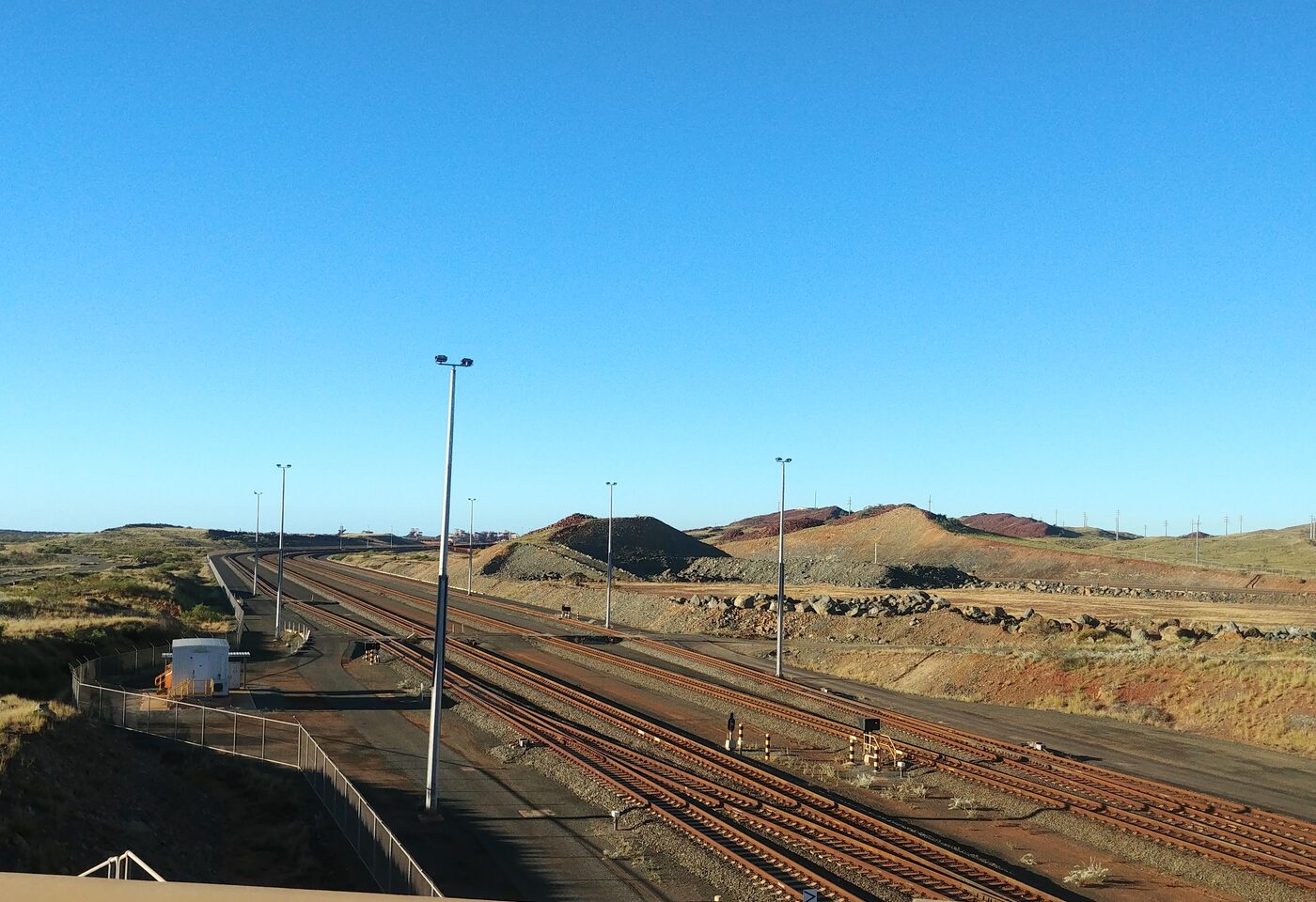
Driverless metros had carried city passengers for decades before this, on short lines with platform doors and tight fences. AutoHaul took automation onto open country, with trains more than two kilometres long running hundreds of kilometres through the outback between mine and sea. Rio Tinto said at the time that it was still working closely with its drivers and did not expect redundancies in 2019 as a result of the rollout. The robotaxi industry likes to talk about empty front seats on city streets. In the Pilbara, the biggest robots in the business have been hauling ore since 2018.