PITTSBURGH - Did you know that in July 1995 two Carnegie Mellon University researchers rode a Pontiac minivan from Pittsburgh to San Diego while a computer did almost all of the steering?
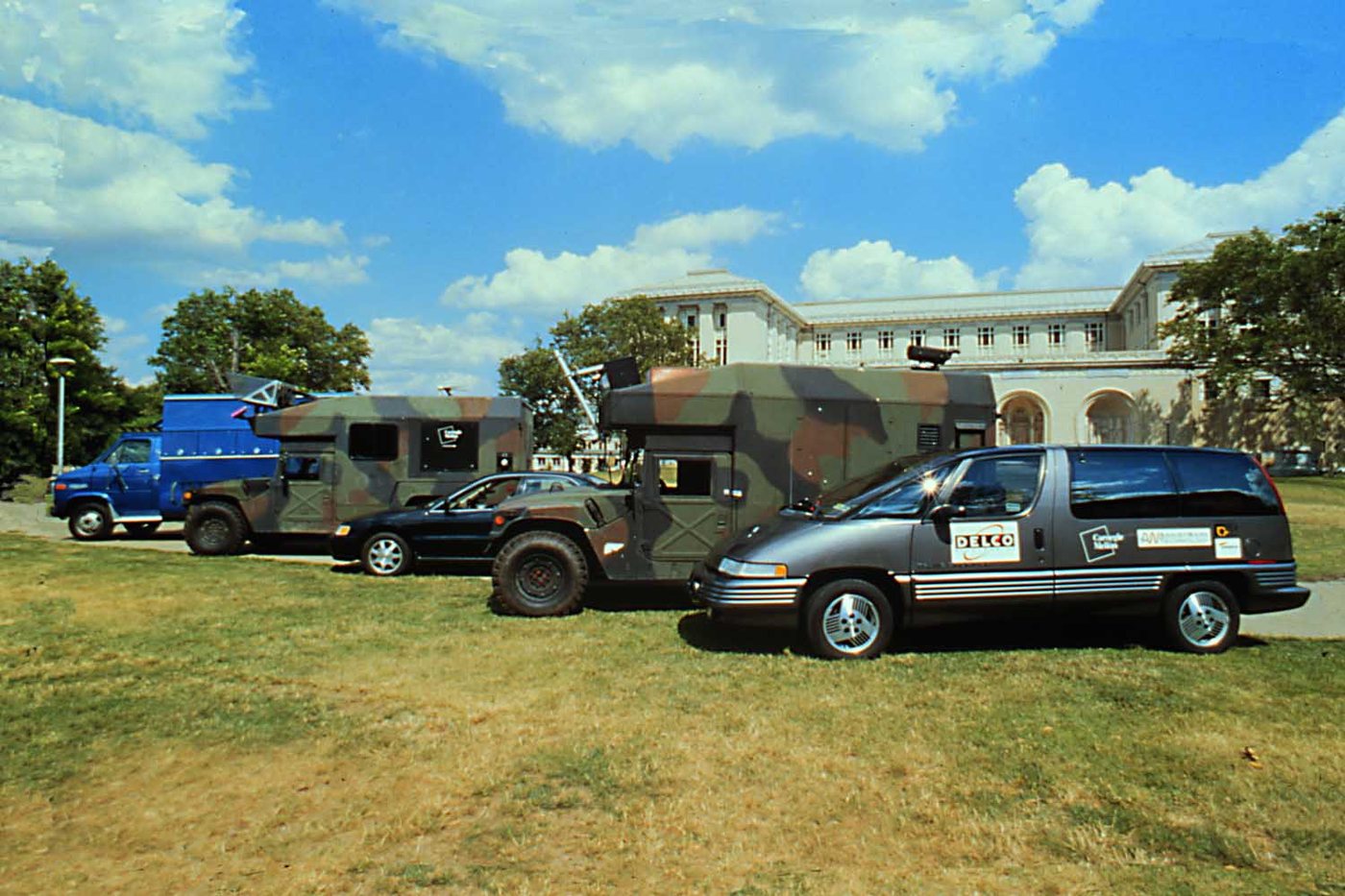
The van was Navlab 5, a 1990 Pontiac Trans Sport fitted out at the university's Robotics Institute. Research scientist Dean Pomerleau and doctoral student Todd Jochem called the trip No Hands Across America. They left Pittsburgh on the morning of 23 July 1995 and reached San Diego on 30 July, according to the journal they kept on the road. The two men worked the throttle and brakes. The steering belonged to RALPH, short for Rapidly Adapting Lateral Position Handler, software that read the road through a video camera and decided where to point the wheels.
Counting a 305-mile preview run from Pittsburgh to Washington that May, the team logged 2,849 miles, and RALPH steered 2,797 of them, or 98.2 percent. Its longest stretch without a human touching the wheel was 68.98 miles, in Kansas. The camera sat just below the rearview mirror and picked out lane markings, oil spots, curbs and ruts, according to the Robot Hall of Fame. A portable workstation between the front seats processed the images and sent commands to an electric motor that turned the steering wheel.
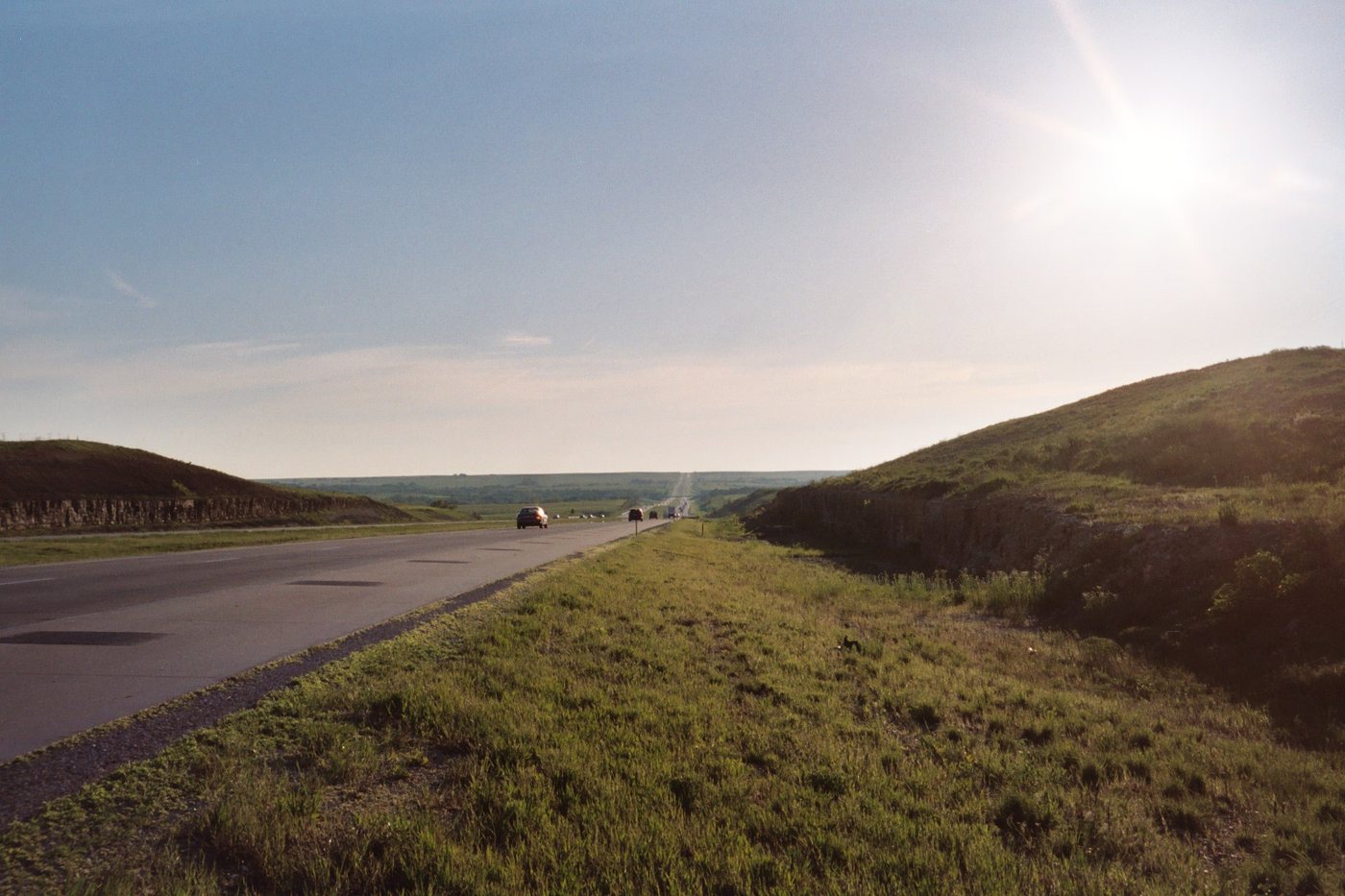
The road was not easy. The journal records night driving on freshly paved interstate with almost no lines painted, rush-hour construction around Kansas City, a power inverter that overheated on the climb into the Rockies and an alternator that failed near Grand Junction, Colorado. On the final leg from Las Vegas to San Diego, RALPH steered all but 0.51 of 323.5 miles. Speed control and obstacle avoidance were still left to people, and the researchers wrote that those were the questions they were asked most often along the way.
The trip capped a decade of work. The first Navlab, a Chevrolet panel van built in 1986, carried five racks of computing equipment, including a supercomputer, and had a top speed of two miles per hour, the university said in its 1995 announcement. Navlab 5 was inducted into the Robot Hall of Fame in 2008.