Empty Cab on Campus: Morgantown's PRT Has Run Driverless Since 1975
Did you know West Virginia University has been running driverless campus shuttles since 1975, years before the first public robotaxi and before Google even existed?
Harper Quinn, Live desk · Sept. 20, 2026 · 3-4 min
MORGANTOWN - Did you know West Virginia University has been running driverless campus shuttles since 1975, years before the first public robotaxi and before Google even existed?
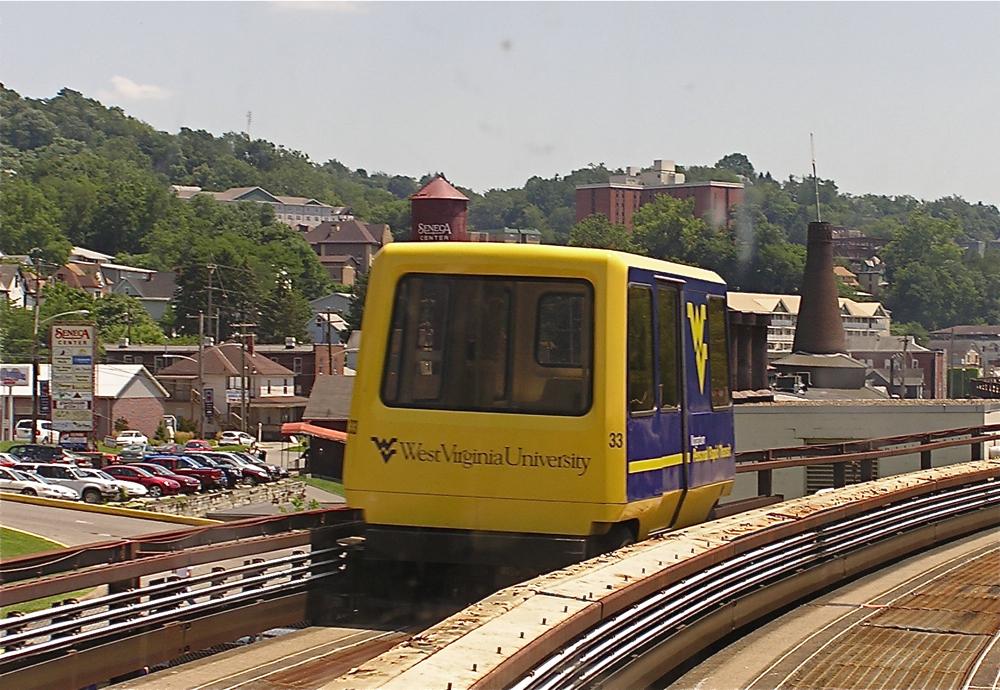
In October 1975, the Morgantown Personal Rapid Transit system, known on campus as the PRT, opened for regular passenger service. West Virginia University still calls it the first large-scale automated guideway transit system in the United States. Electrically powered, rubber-tired vehicles roll on a dedicated concrete guideway with nobody in a driver's seat. A federal impact study of the Phase I system later described it as the first fully automated transportation system operating in a city environment.
The project began as a campus traffic fix and a national demonstration. WVU's hills and split campuses jammed downtown Morgantown with student buses. With U.S. Department of Transportation funding and Boeing as a lead builder, the university and federal partners turned an experimental personal rapid transit idea into revenue service. Phase I linked downtown Walnut Street to the Evansdale campus. A 1979 extension added stations toward the Health Sciences Center. Patricia Nixon Cox, daughter of President Richard Nixon, took one of the early demonstration rides, WVU notes in its PRT history.
Today the fleet counts 67 vehicles on about 8.7 miles of dedicated guideway across five stations: Walnut, Beechurst, Engineering, Towers, and Health Sciences. Cars hold about 15 passengers. Top speed is about 33 mph. The full Walnut-to-Health Sciences ride takes about 11.5 minutes. WVU says the system has carried more than 100 million passenger trips since 1975, with roughly 12,000 riders on a typical school day, and recorded 98.7 percent availability in the 2023-2024 academic year.
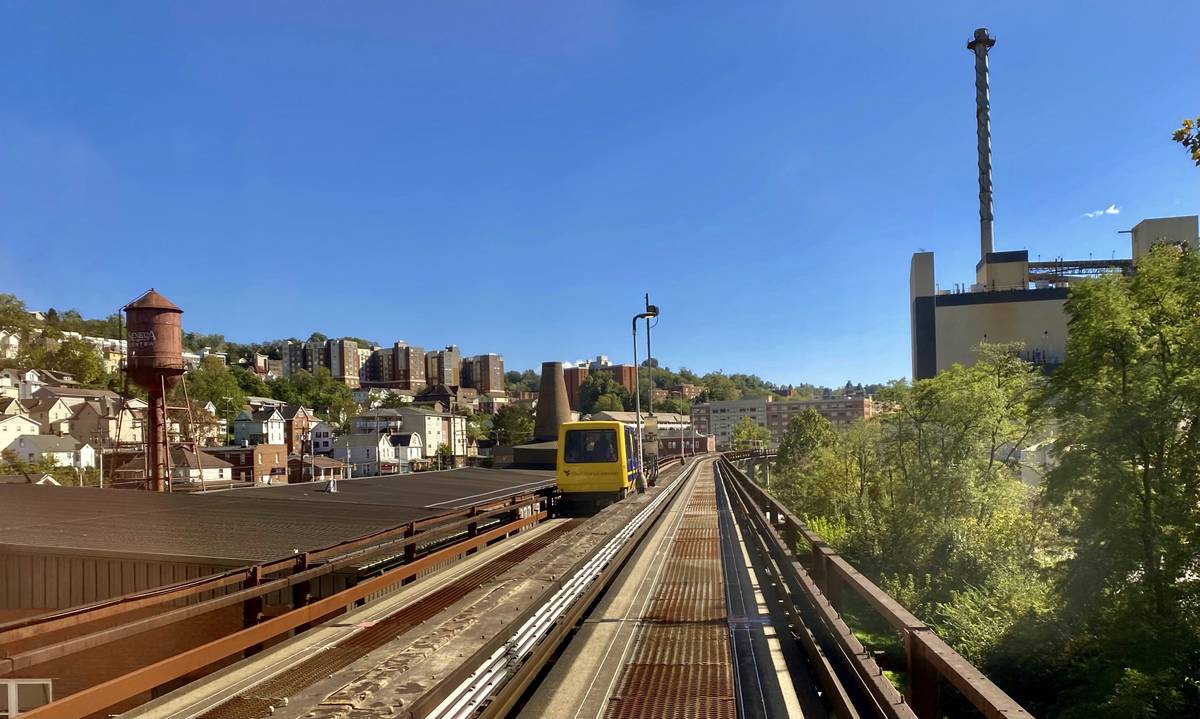
The PRT is grade-separated automation, not a street-running robotaxi. Stations sit on sidings so cars can skip stops and run origin-to-destination trips in demand mode, more like a summoned elevator than a fixed bus line. That sealed corridor is why empty-cab service was certifiable in the 1970s, long before open-road Level 4 fleets cleared city regulators. Japan's Port Liner (1981) and Lille's VAL (1983) would later prove the same empty-cab idea on urban automated guideways. Morgantown got there first in the United States, on a campus hill above the Monongahela.
The curiosity still lands. When robotaxi launches dominate the wire, students in Morgantown have been boarding automated pods between class and downtown for half a century. Driverless did not arrive only with lidar stacks on city streets. In one Appalachian college town, it arrived as a federal experiment that never really left.
Sources
Harper Quinn, Live desk. Harper Quinn is a senior correspondent on the live desk covering breaking driverless launches and permits. Previously reported mobility for wire services; based in San Francisco.