Empty Cab by Year-End: Torc Pins Driver-Out US Roads on 2026
Daimler Truck said Torc aims to run a heavy truck on public U.S. roads with nobody in the cab before the end of 2026, then first commercial freight in 2027.
Noah Park, Freight · Sept. 14, 2026 · 5-6 min
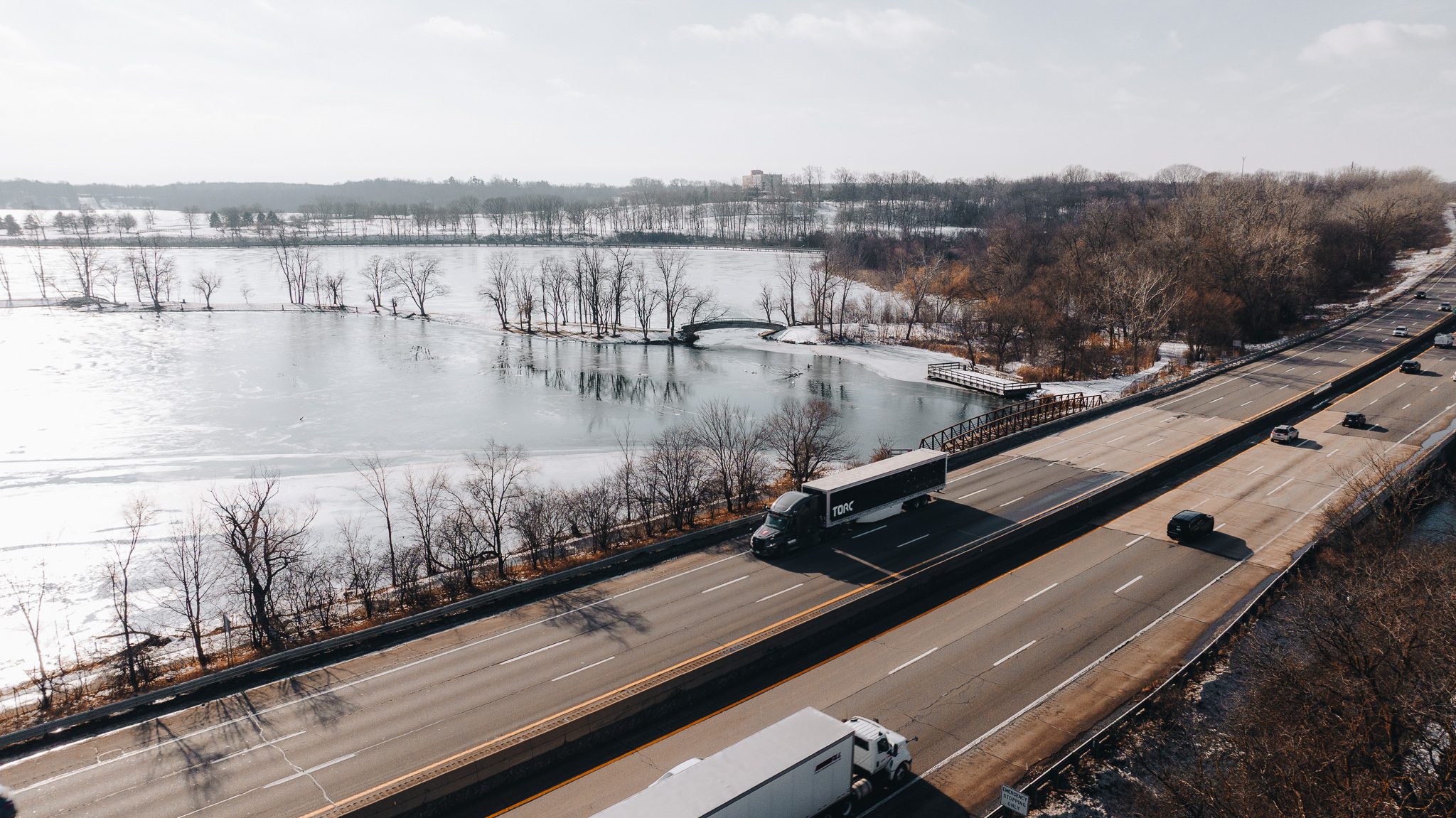
HANOVER - Daimler Truck said at IAA Transportation that Torc, its autonomous-driving subsidiary, is scheduled to run its first driverless operations on U.S. public roads this year, a milestone that would put a Freightliner Cascadia on open highway without a safety driver in the cab before commercial freight begins in 2027.
The company's IAA press materials put the roadmap in plain sequence: first driverless public-road operations in 2026, commercial applications as early as 2027, and scaling from 2028. Autocar Professional, reporting from the same IAA window, quoted Daimler Truck chief executive Karin Radstrom on what "driver-out" means in practice. "For the first time, the truck will be able to drive itself on public roads, not on a test track, and without a safety driver in the cab," she said.
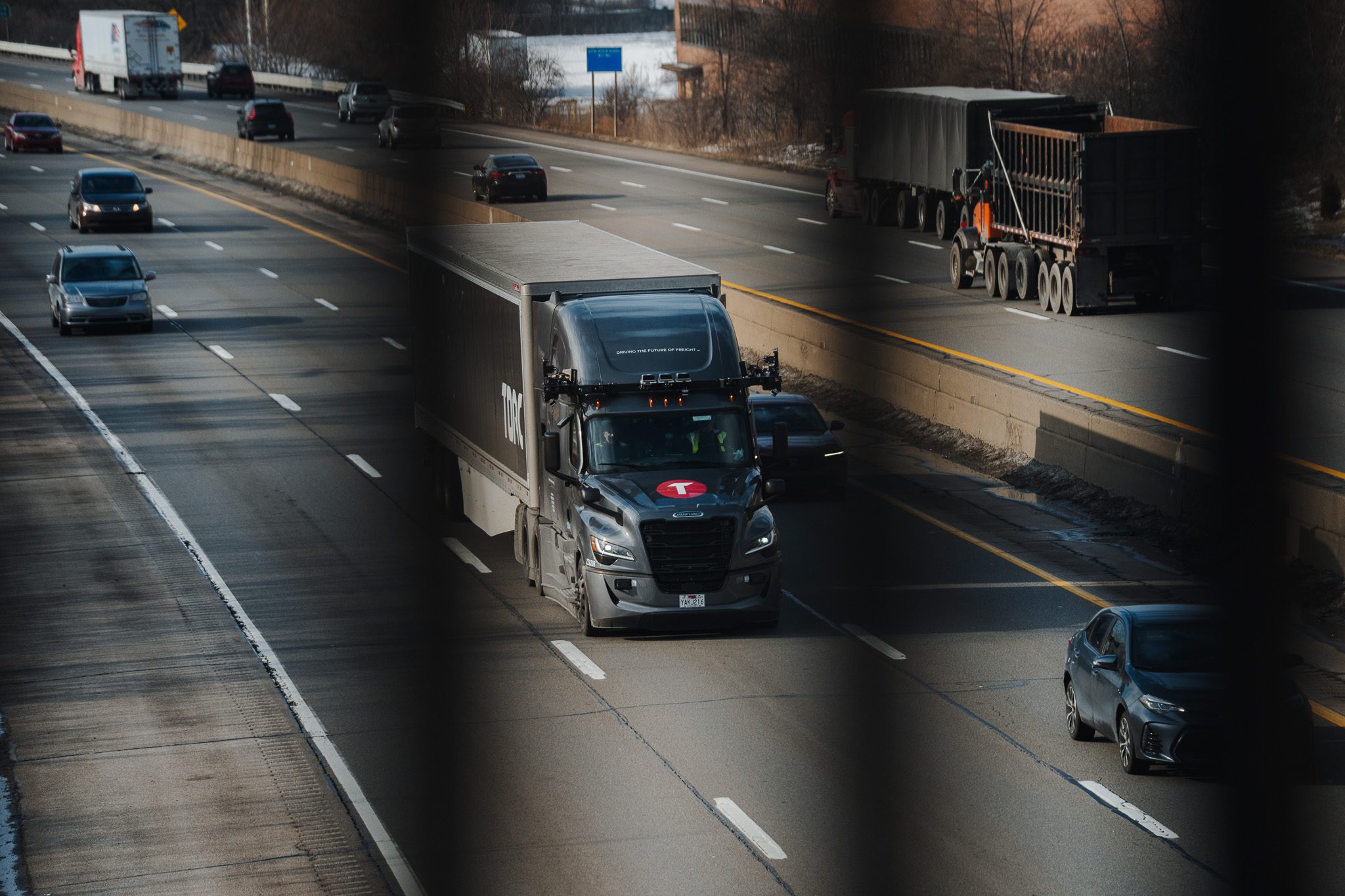
That target is not a launch announcement. Torc's trucks already run supervised Level 4 testing on public roads in Texas, Virginia, New Mexico, Arizona and, since February, Michigan near Ann Arbor. The 2026 goal removes the fallback human from the seat during a planned public-road operation, subject to the company's own validation work. Torc still lists commercial availability for its self-driving semis in 2027. Daimler Truck frames the empty-cab run as the bridge between today's supervised testing and tomorrow's freight loads.
The work splits cleanly between two Daimler Truck units. Daimler Truck North America is building the autonomous-ready Cascadia platform, including redundant steering and braking. Torc is writing the virtual-driver software meant to operate that truck safely and efficiently. Daimler Truck argues the combination of truck platform, vehicle architecture, hardware integration and driving software is the point of its North America push, not a bolt-on kit riding on someone else's chassis.
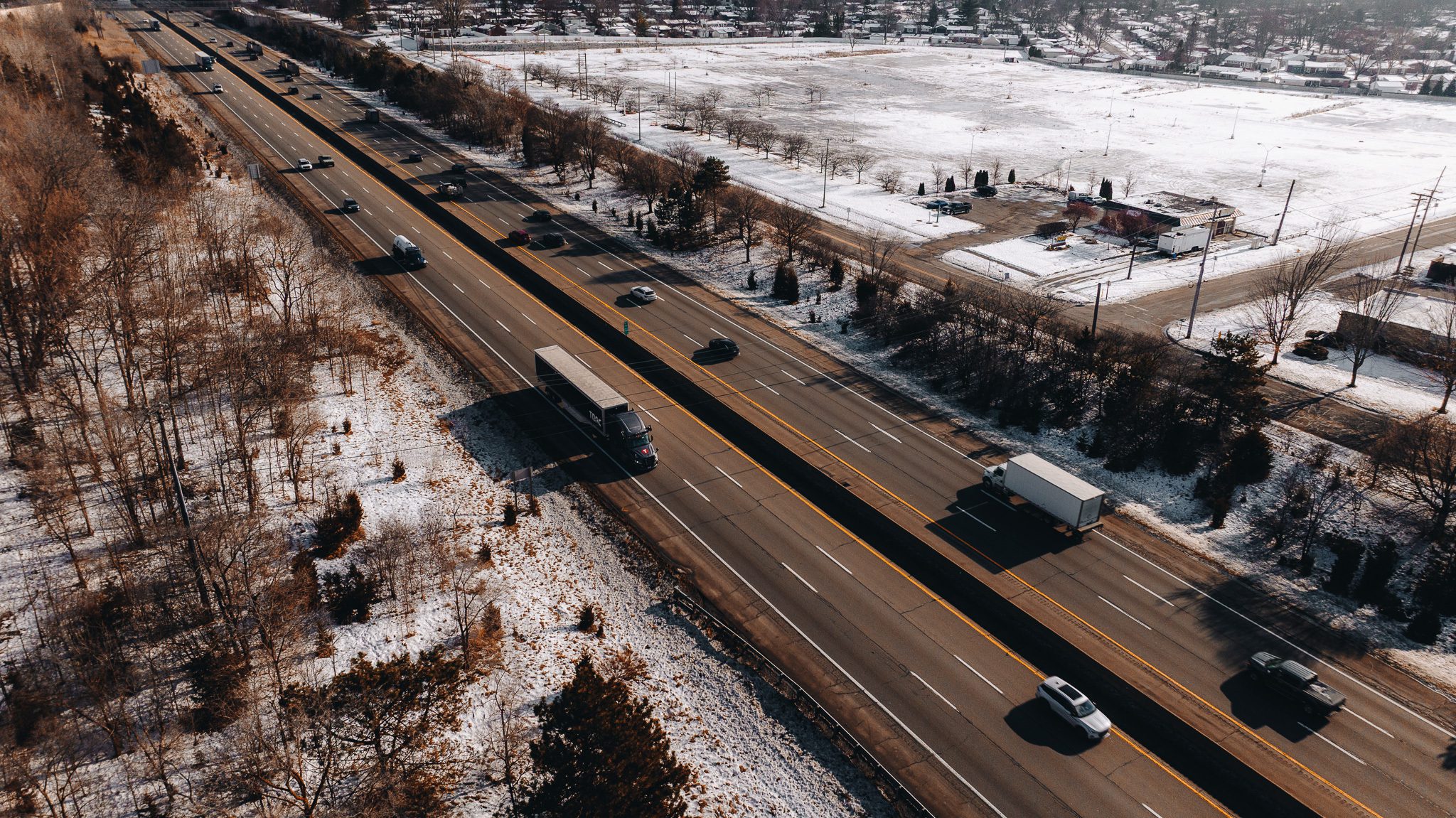
North America is the chosen theater because the economics look better there than in Europe. Radstrom has said U.S. trucks typically cover more than twice the daily distance of European trucks, and that driver shortages are more acute. Freightliner held a 37 percent share of the North American Class 8 heavy-duty market in the first half of 2026, according to the company as cited by Autocar Professional, giving Daimler Truck a large installed base from which to chase hub-to-hub autonomous lanes. Torc has long pointed to the busy Laredo-to-Dallas corridor as an early commercial path after driver-out validation.
IAA's autonomous section sits inside Daimler Truck's broader Stronger 2030 agenda, where autonomous driving shares the investment spotlight with next-generation vehicle software. The show itself was crowded with battery-electric and hydrogen hardware. For the freight autonomy beat, the sharper signal was the calendar language: driverless public roads this year, customer freight next year, scale the year after. Those are company targets, not regulator certificates, and they still depend on Torc finishing the safety case for an empty cab on open road.
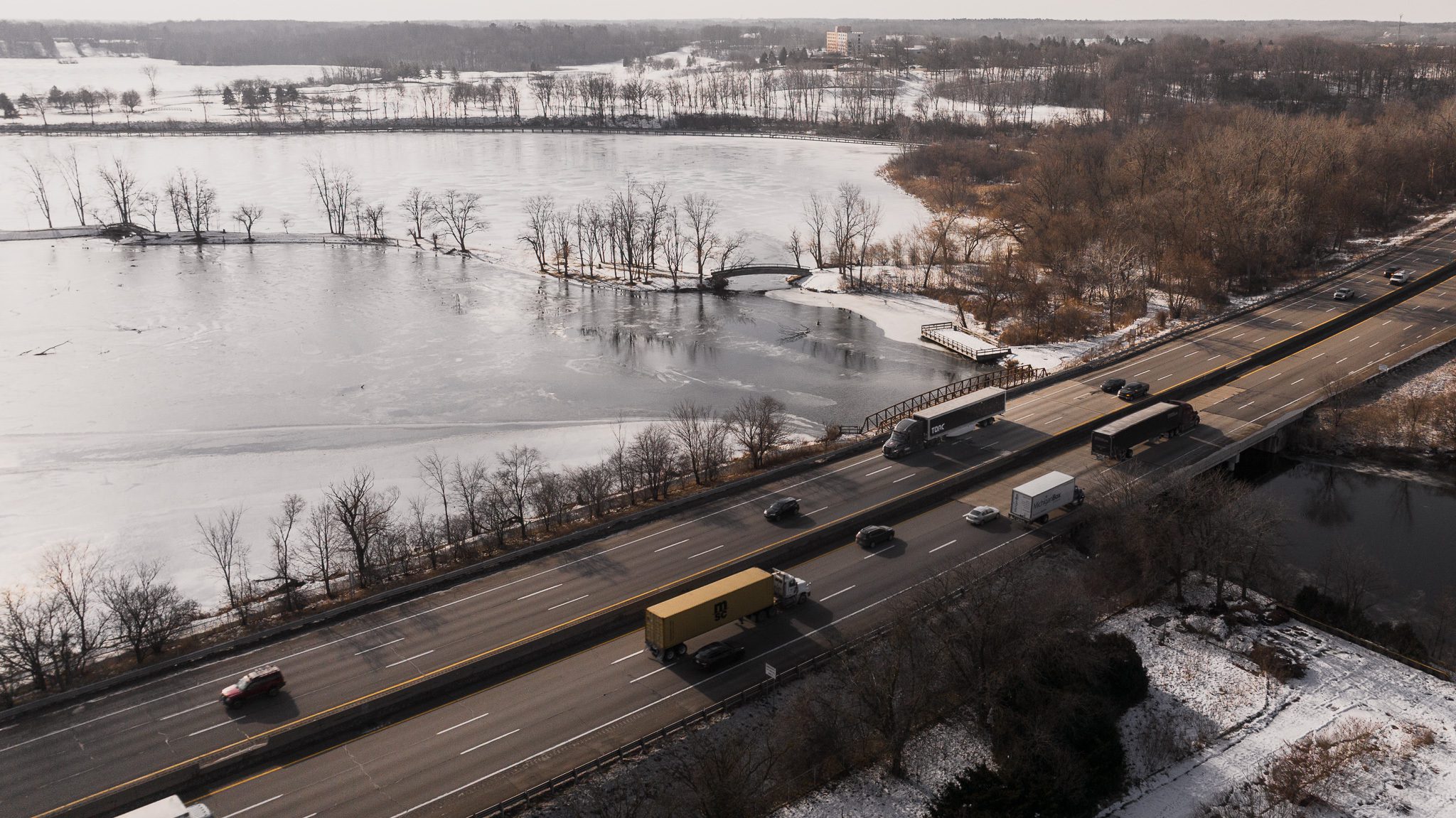
For autonomous trucking, an empty Cascadia on a U.S. highway would be a different proof than another supervised mile. Supervised fleets already log those miles across several Sun Belt and Midwest states. What Daimler Truck and Torc are promising before year-end is the step that makes the cabin optional on public pavement, then lets commercial freight follow in 2027 if the validation holds. Until a truck actually rolls without a safety driver, the IAA line remains a schedule, not a result. The industry will watch whether Torc hits that empty-cab date, or whether 2026 ends with the seat still occupied.
Sources
- https://www.daimlertruck.com/en/newsroom/pressrelease/iaa-transportation-2026-daimler-truck-celebrates-130-years-of-trucks-and-drives-transportation-forward-53589108
- https://www.autocarpro.in/news/daimler-truck-targets-fully-autonomous-trucks-on-public-roads-in-2026-134692
- https://torc.ai/michigan-public-roads-autonomous-truck-testing/
Noah Park, Freight. Noah Park is a senior correspondent covering autonomous trucks, ports, and industrial AV. Previously covered manufacturing tech for specialty titles; based in Seoul.