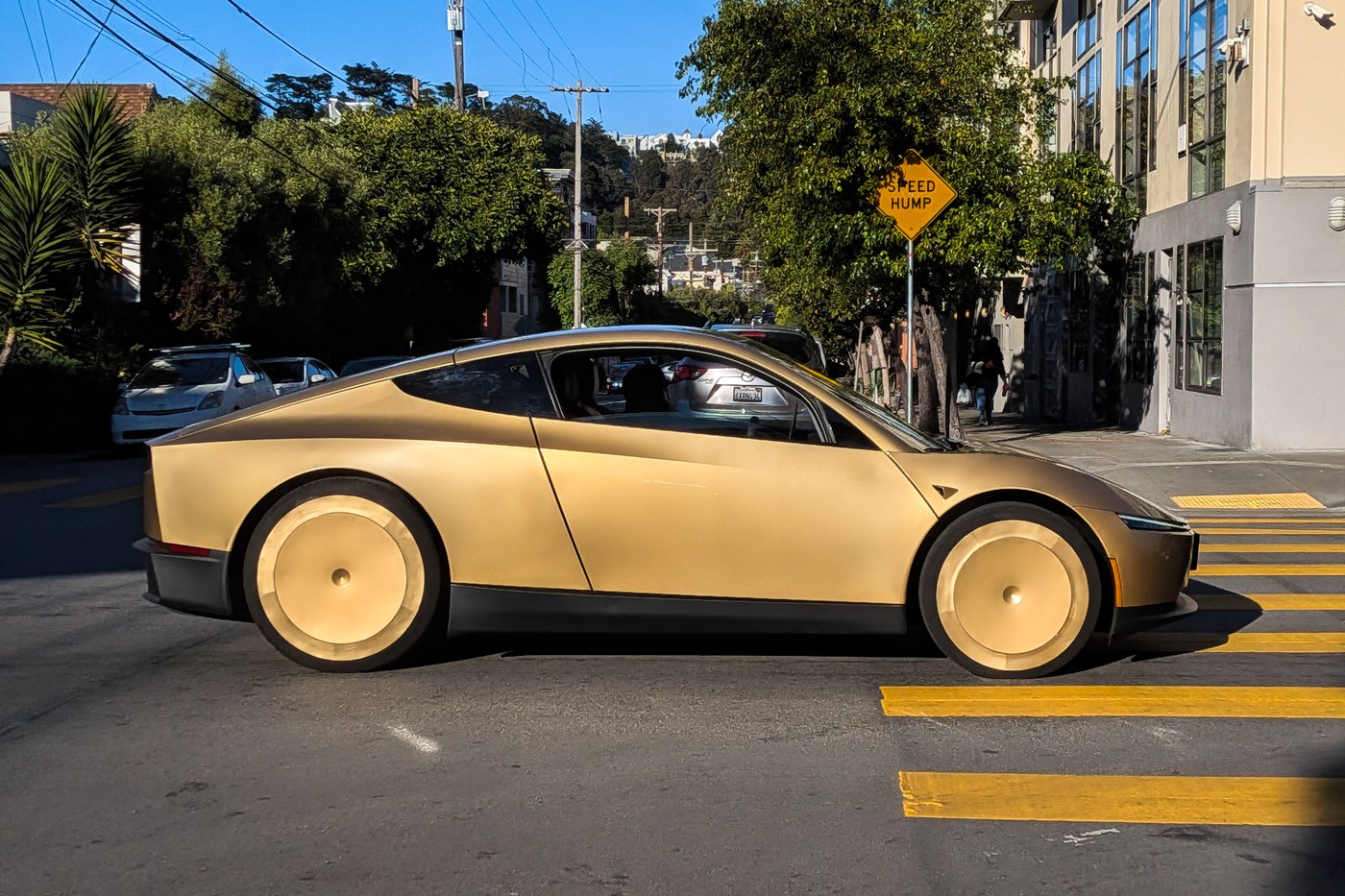
AUSTIN, Texas - Tesla has moved the closing time of its driverless Robotaxi service in Austin to 11 p.m., one hour later than before, as the number of its Cybercab two-seaters authorized for commercial use in Texas has climbed to 169, according to the company and to state records reviewed by CNBC.
Tesla's Robotaxi account on X said late Friday that the Austin service was "now available until 11pm." The service had run from 6 a.m. to 10 p.m. since late August, TeslaNorth reported. Elon Musk, Tesla's chief executive, reposted the announcement with an explanation of why the hours are expanding slowly. "The main thing we're trying to solve is making sure that we don't run over pets when they're hard to see at night," he wrote. "Literally trying to avoid grey kittens on grey tarmac in the dark."
The comment drew pointed coverage because Tesla relies on cameras alone. Electrek noted that low-light, low-contrast detection is a known weakness of cameras and that rivals such as Waymo pair cameras with lidar and radar and run their services around the clock. When Tesla opened its Austin Robotaxi service in June 2025, the app accepted ride requests until midnight, Electrek reported.
The fleet behind the service is growing. Tesla had 45 Cybercabs authorized for commercial use in Texas when it opened Cybercab rides in Austin on Sept. 3, and 169 as of Friday, CNBC reported, citing Texas Department of Motor Vehicles public records. Tesla's Texas Robotaxi fleet also includes 420 Model Y vehicles, according to CNBC. Waymo had 1,154 autonomous vehicles authorized for commercial use in Texas, including 359 of its new Ojai models, the outlet reported.
Federal regulators are still examining the Cybercab, which has no steering wheel or pedals. The National Highway Traffic Safety Administration opened an audit query after the launch to check that the vehicle complies with federal safety standards and originally ordered Tesla to answer its questions by Sept. 30. Tesla obtained an extension, an agency spokesperson told CNBC. CNBC did not report a new due date.
Early reviews from paying riders have been mixed, with complaints about long waits, pickups and drop-offs in the wrong place, and butterfly doors or trunks that did not close properly, according to CNBC. Ethan McKanna, an Austin resident who said he has taken about 30 Cybercab rides, told the outlet that wait times were "often like 45 minutes plus" in the first weeks but have since come down.
No significant safety incidents or collisions involving a Cybercab have been reported in Austin since the commercial debut, CNBC reported. Austin Fire Captain Matt McElearney told the network that Tesla had trained first responders on the Cybercab and Model Y Robotaxi, but said he wants state or national rules requiring vehicles without manual controls to give public safety officials a way to move, steer or shut them down.
Austin remains the only city where Tesla offers Cybercab rides. Tesla's website lists Robotaxi service in Austin, Dallas, Houston, Miami, Orlando and Tampa, and CNBC reported that Musk's next step for the Cybercab is expansion to San Antonio, Dallas and other Texas cities, as well as Nevada and Florida. Musk did not say when Austin hours might move past 11 p.m.