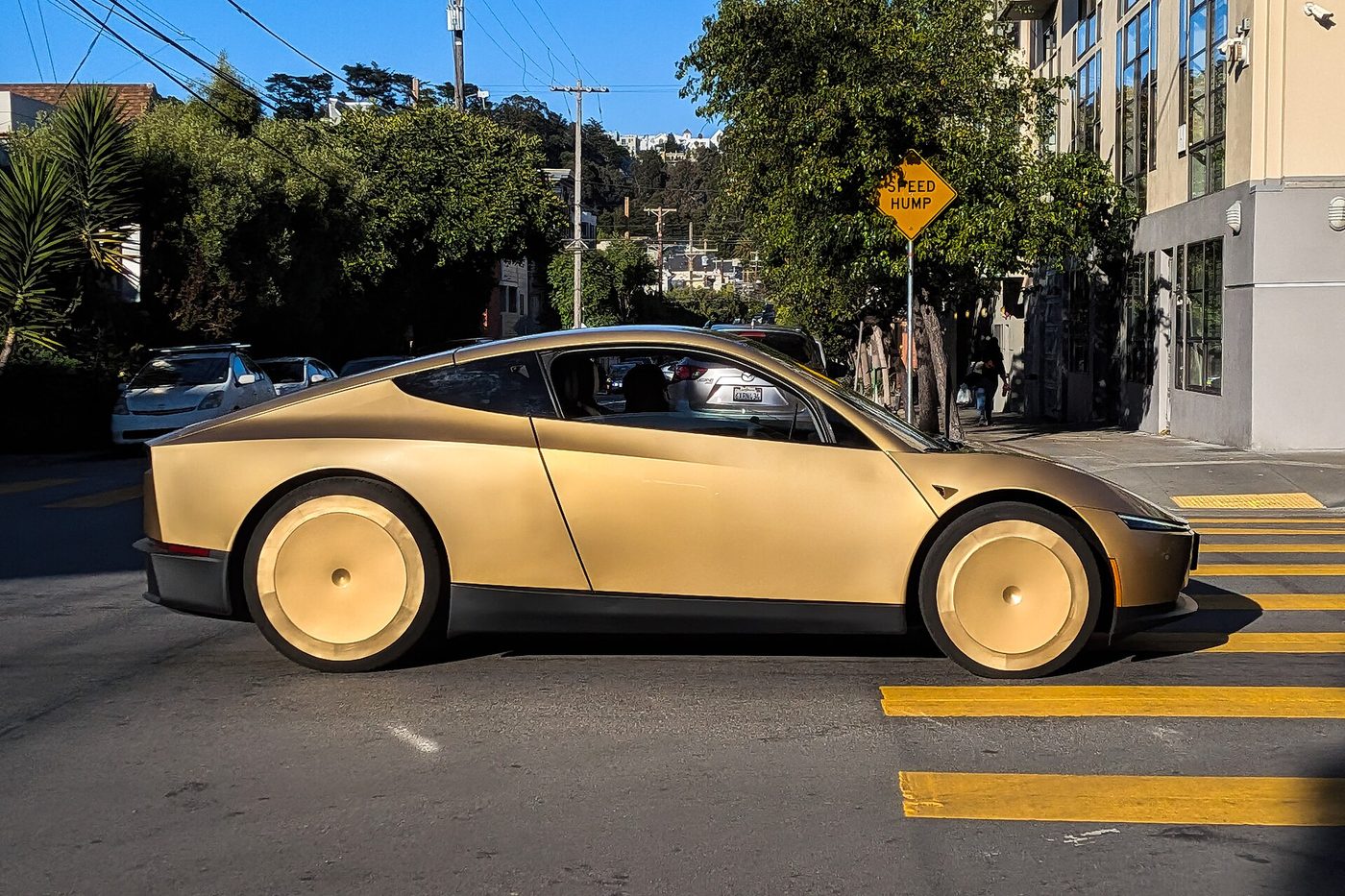
WASHINGTON - Tesla has answered a federal order to explain under oath how it certified its Cybercab, a two-seat robotaxi built without a steering wheel or pedals, as meeting U.S. safety standards. But the company has asked the National Highway Traffic Safety Administration to keep the entire response out of public view, according to records in the agency's audit file.
The response arrived on Oct. 30, the deadline the agency had set. Tesla's cover letter, dated that day and one page long, says only: "The entirety of this file is confidential business information." A separate note in the file says the remaining documents answering Question 8 of the order carry a confidentiality request from Tesla "for the entirety of each document," so those pages are not on the public docket.
Question 8 goes to the heart of the audit. It asks Tesla to explain, for each federal motor vehicle safety standard it treats as applicable, how it determined the Cybercab complies, which subpart it certified to when a standard allows more than one, and whether it relied on engineering analysis, physical tests, simulations or other means, SDV Sector reported.
NHTSA opened the audit on Sept. 3, the day Tesla began offering paid rides in the Cybercab in Austin, Texas, and estimated that about 1,000 vehicles were involved. A week later, the agency issued a special order with 21 requests, signed by its chief counsel, Peter Simshauser. The order warns that failing to respond fully or truthfully may bring civil penalties of up to $27,874 a day, to a maximum of $139,356,994.
Among the questions now covered by Tesla's confidentiality claim is how a car without a foot pedal meets a braking standard that says "the service brakes shall be activated by means of a foot control," whether temporarily installed human driver controls formed part of the certification, and how the vehicles comply without an exemption under Part 555 of federal rules, the route other makers of cars without manual controls have taken.
Tesla had originally been due to answer by Sept. 30. On Sept. 18, it asked for eight more weeks, until Nov. 20, and the agency granted 30 days instead, according to an NHTSA memo.
The only substantive Tesla document the public can read in the file is a 30-page Cybercab First Responder Interaction Plan, version 1.2, dated Sept. 3. It describes the vehicle as "not typically equipped with a steering wheel or acceleration and brake pedals" and explains how police and firefighters can move it.
Requests for confidential treatment are decided by NHTSA's chief counsel under Part 512 of federal regulations, and the agency can order a public version released if it rejects a claim. NHTSA has not said whether it will grant Tesla's request, and it has not found that the Cybercab violates any safety standard. Cybercabs continue to carry paying passengers in Austin.