FairPrice AV Lead Proposes Singapore Passport for Explainable Self-Driving Systems
Adarsh Premnath, FairPrice Group's manager for future mobility, published a LinkedIn Pulse white paper proposing a Singapore AV Passport as a cross-border certification benchmark built on explainability and public trust.
Kenji Watanabe, Asia desk · Sept. 21, 2026 · 5 min

SINGAPORE - Adarsh Premnath, FairPrice Group's manager for future mobility, published a LinkedIn Pulse white paper on Monday arguing that commercial autonomous-vehicle scaling now depends as much on institutional explainability and public trust as on physical crashworthiness, and proposing a "Singapore AV Passport" as a cross-border certification benchmark.
The Sept. 21 Pulse, titled "The Autonomous Vehicle Dual Perception Challenge" and subtitled as a strategic white paper on autonomous mobility and public governance, frames a dual gap: vehicles may clear hard safety metrics in testbeds yet still fail to win confidence from regulators, investigators and the public if decision-making stays opaque. "As autonomous mobility adopts end-to-end neural architectures, commercial scaling hinges less on physical crashworthiness and more on institutional explainability and public trust," Premnath wrote in the executive summary.
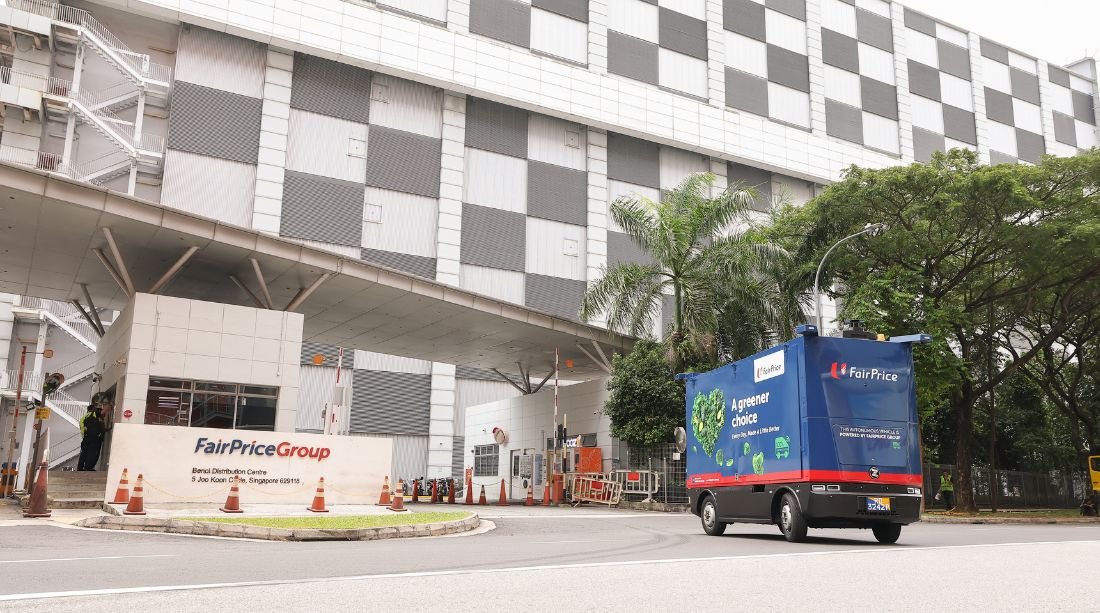
Premnath leads FairPrice Group's autonomous- and electric-vehicle deployment programme in Singapore, according to his LinkedIn profile, coordinating technology partners, Land Transport Authority policy alignment and internal operations. FairPrice Group said in October 2025 that it was the first organisation in Singapore approved by the LTA to operate autonomous vehicles on public roads for supply-chain cargo, in partnership with Zelos Technology, and in April 2026 it began piloting a retailer-supplier AV route with Pokka.
The white paper says traditional, one-time homologation is a poor fit for fleets that take over-the-air software updates and shift toward end-to-end neural driving stacks. Premnath proposes a modernised AI Safety Case that combines Explainable AI (XAI), Safety of the Intended Functionality modelling under ISO 21448 (SOTIF), Predetermined Change Control Plans that set update boundaries without full re-homologation, and Continuous Change Impact Analysis before major algorithmic changes go live. He cites reference frameworks including UL 4600 and the European Union's AI Act classification of high-risk AI systems as standards context, not as new Singapore law.
The paper also casts Singapore's AV push as a response to structural manpower pressure in transit and logistics. Premnath links that argument to Prime Minister Lawrence Wong's National Day Rally messaging on automation and jobs. The Prime Minister's Office transcript of the Aug. 23, 2026 National Day Rally speech says Singapore is trialling autonomous vehicles in Punggol, intends to scale once the technology is proven because bus-captain recruitment is hardening and two-thirds of taxi drivers are already 60 or older, and will expand progressively while retraining and supporting affected taxi and private-hire drivers into new jobs, with safety as the first priority. Premnath's Pulse characterises that transition as upskilling drivers toward remote fleet and control-centre roles; that remote-operator phrasing is his framing, not a verbatim line in the PMO rally transcript. A separate July 2026 government driver transition package has identified pathways such as safety operators, remote operators and fleet managers.
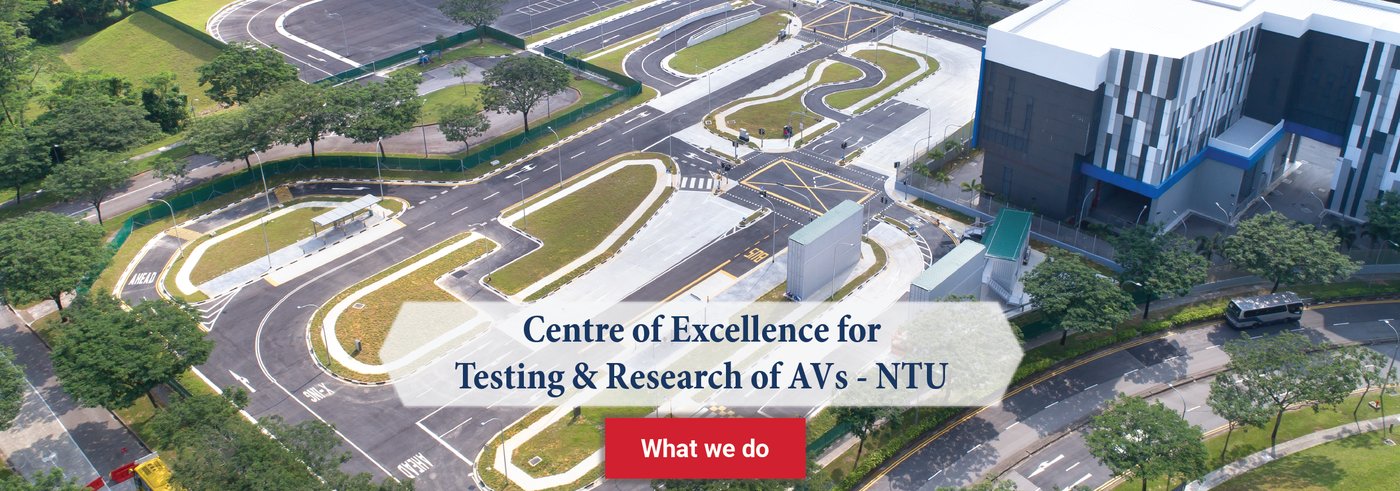
Premnath's Pulse is an industry white paper published on LinkedIn, not a government policy announcement. CETRAN, LTA trial rules, ISO 21448, UL 4600 and the EU AI Act are existing institutional or standards references. The news peg is the publication of the proposal and its call for explainable certification and a Singapore-branded passport for cross-border AV trust.
Kenji Watanabe, Asia desk. Kenji Watanabe is a senior correspondent covering autonomous mobility across Asia. Previously reported from Tokyo and Shenzhen for regional outlets; based in Tokyo.