Competency Over Controls: NHTSA Banks ASCEND for National AV Performance Standards
NHTSA Administrator Jonathan Morrison said the agency has signed a cooperative agreement with SAE to launch ASCEND, a consortium whose top priority is ADS competency standards that can become an FMVSS.
Priya Nair, Safety · Sept. 17, 2026 · 5-6 min
PITTSBURGH - NHTSA Administrator Jonathan Morrison said Thursday the agency has executed a cooperative agreement with SAE to launch the ASCEND consortium, a joint government-industry effort to write data-driven national performance standards for automated driving systems, shifting the federal test from human controls to driving competency.
Morrison, speaking at the AI Horizons PGH Summit, said the agreement was signed the day before. "I'm excited to announce that just yesterday, we've just executed a cooperative agreement with SAE to launch ASCEND consortium," he said. "This joint government and industry initiative will expedite the development of data-driven AV performance standards. Our top priority for the consortium is ADS competency, which will inform and accelerate a corresponding FMVSS."
ASCEND stands for Advancing America's Safety and Competitiveness for the Evolution of National Deployments, a name Morrison used in a July SAE keynote when he first described the partnership. The question the consortium is meant to answer, he said then, is the one people ask as driverless fleets expand: how do we know if an AV is a safe driver?
Federal law requires competency requirements to be objective, practicable, and to meet the need for motor vehicle safety. They must include metrics for each behavioral competency, plus repeatable methods to assess them, Morrison said. NHTSA plans to seek public comment on those competencies and how to measure them. In July he said the work should finish within three years, including competency standards in the first year to support near-term rulemaking.
Morrison said NHTSA has already invited AV companies, including several based in Pittsburgh, to its Vehicle Research and Test Center in Ohio. Other consortium projects may include repeatable methods to measure good driving under normal conditions and surrogate safety metrics that could serve as proactive indicators of competency.
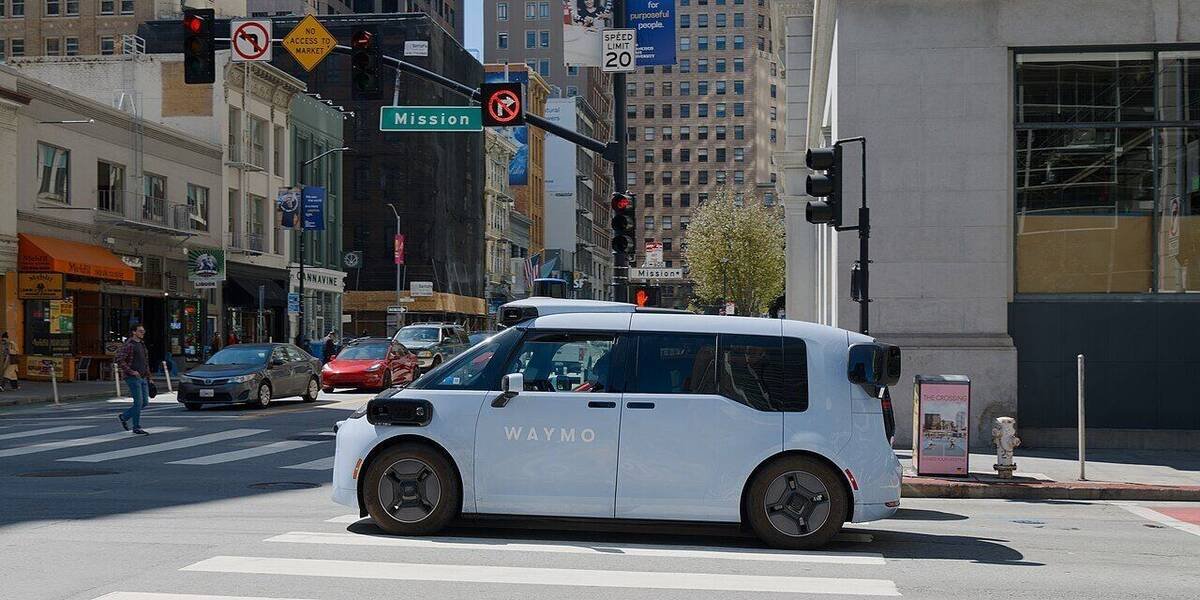
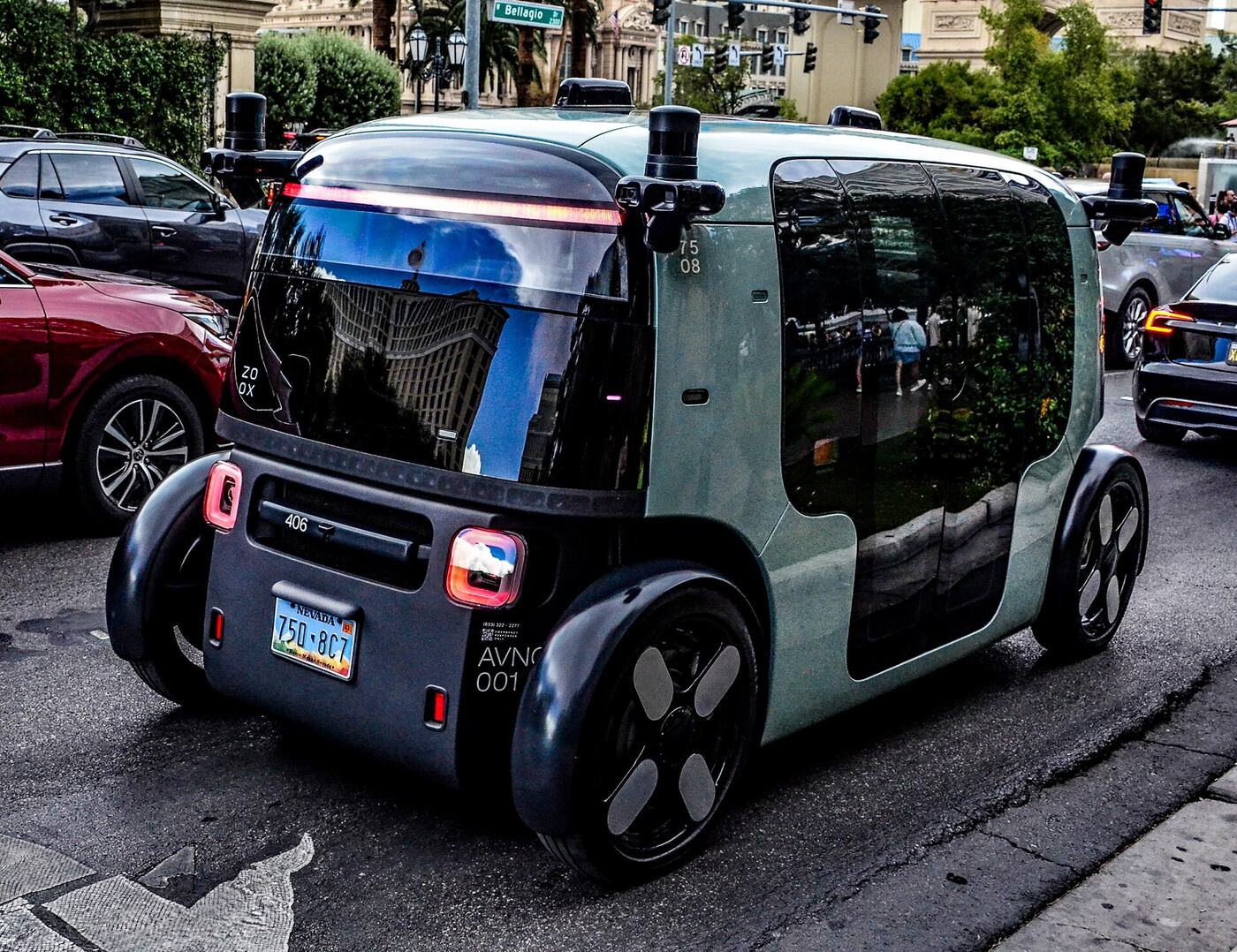
The competency track sits beside a separate rewrite of Federal Motor Vehicle Safety Standards written for a human driver. "So many of our regulations were designed when no one envisioned a vehicle without a human driver, and therefore require or reference manual controls," Morrison said. "This means that the technology of the future is often tethered to the regulations of the past."
He said the agency is using a scalpel, not a hatchet: vehicles designed never to be operated by a human should remain subject to critical safety requirements, while rules shift from design specifications to safety performance. NHTSA has proposed amendments to five FMVSS that it says would have no detrimental effect on safety but would enable designs without a human driver, with more to come. Those include removing equipment tied to a driver, such as a brake pedal requirement in FMVSS 135 for vehicles never meant to be driven by a person, while keeping braking performance tests.
"If we revise our FMVSS to focus on performance, not design requirements, we won't need to be fortune tellers," Morrison said. "Our FMVSSs will be nimble enough to ensure that the vehicles of the future continue to deliver the high level of safety we expect."
The political case is a national floor instead of a city-by-city patchwork. "By delivering an AV competency standard, we hope we'll be able to address the burgeoning patchwork of inconsistent State and local level requirements, and continue to encourage American innovation and promote the safe development and deployment of these vehicles on our roads," he said.
A competency FMVSS is not in force yet. ASCEND is the data engine Morrison is betting will write one. Until that standard exists, vehicles without steering wheels and pedals still live in the old rulebook, exemption petitions, and sworn audits. The agency is now funding the work to judge the driver, not the controls.
Sources
Priya Nair, Safety. Priya Nair is a senior correspondent covering AV safety, regulators, and investigations. Previously covered transport policy for national outlets; based in Washington.