TOKYO - Japan's transport ministry is preparing to approve self-driving cars that have no steering wheel or brake pedal under a single set of national safety standards, replacing the vehicle-by-vehicle reviews it uses today, Nikkei reported. The Ministry of Land, Infrastructure, Transport and Tourism plans to apply the revised rules to vehicles built from December, and its vehicle safety study group was scheduled to take up the proposal on Wednesday.
The change covers Level 4 vehicles, which drive themselves without a person at the controls under set conditions, and Level 5 vehicles, which would do so everywhere. Until now, the ministry has assessed the safety of each such vehicle individually, a process that suits prototypes and small pilot fleets but not cars rolling off a production line.
Under the new standards, vehicles that qualify would no longer need a steering wheel, pedals, rearview mirrors or a driver monitoring system, the cameras that watch a human driver for drowsiness or distraction, according to Aju Press, which cited the Nikkei report. Removing those parts lowers production costs and frees the cabin for seating layouts that a driver's seat would otherwise rule out.
The requirements will depend on whether a vehicle carries people. Taxis, buses and other passenger vehicles would still have to pass crash tests using dummies, while driverless vehicles that carry only cargo would be exempt from those tests. Both kinds would have to show they can avoid a crash if their automated system fails.
The revision follows safety rules for vehicles without manual controls that were agreed in June at the World Forum for Harmonization of Vehicle Regulations, the United Nations body known as WP.29. Those rules are expected to become a formal international standard in December, and the ministry is amending the safety standards under Japan's Road Transport Vehicle Act to match. The WP.29 framework lets a vehicle certified in one member country skip repeat approval in others, Touch Lab noted; the United States is not part of that agreement.
The government has set a goal of 10,000 Level 4 buses, taxis and other vehicles in service by the 2030 fiscal year. A ministry official told Nikkei that making the vehicles easier to mass-produce was meant to help reach that target.
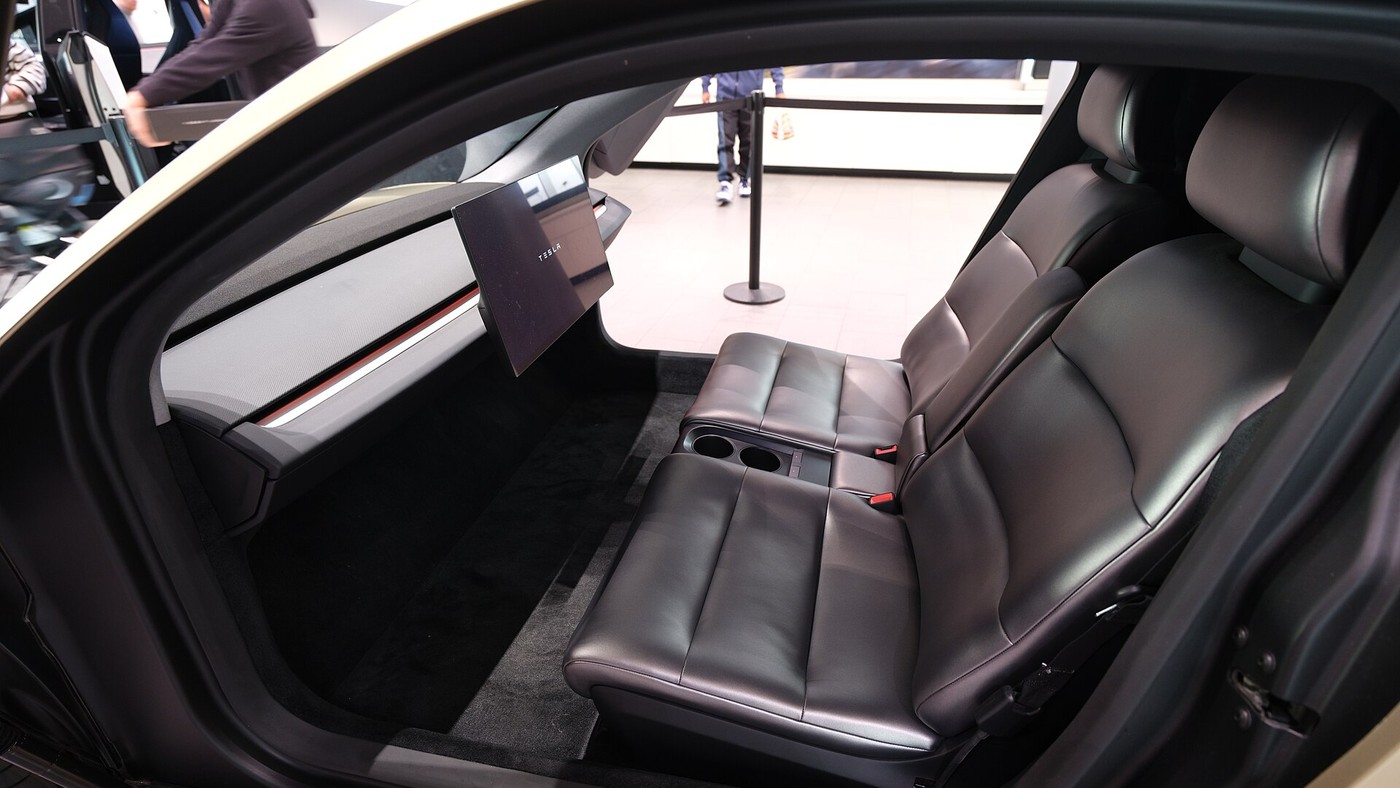
The new rules address only the design of the vehicle. Carrying paying passengers on public roads without a driver still requires a separate permit for specified automated operation under Japan's Road Traffic Act. Tesla began carrying riders in Austin, Texas, in September in its Cybercab, a two-seat robotaxi with no steering wheel or pedals, and showed the car in Tokyo, Osaka and Nagoya the same month, but it has announced no plan to run the service in Japan. Waymo and Toyota said on Oct. 30 that they would begin testing a fleet of self-driving Toyota bZ4X robotaxis in Japan in 2027.