Empty Cab in Europe: Lille's VAL Metro Has Run Driverless Since 1983
Did you know Europe's first fully automated metro opened in northern France in 1983, with rubber-tired trains and nobody in a driver's seat?
Sam Okonkwo, Robotaxi · Sept. 21, 2026 · 3-4 min
LILLE - Did you know Europe's first fully automated metro opened in northern France in 1983, with rubber-tired trains and nobody in a driver's seat?
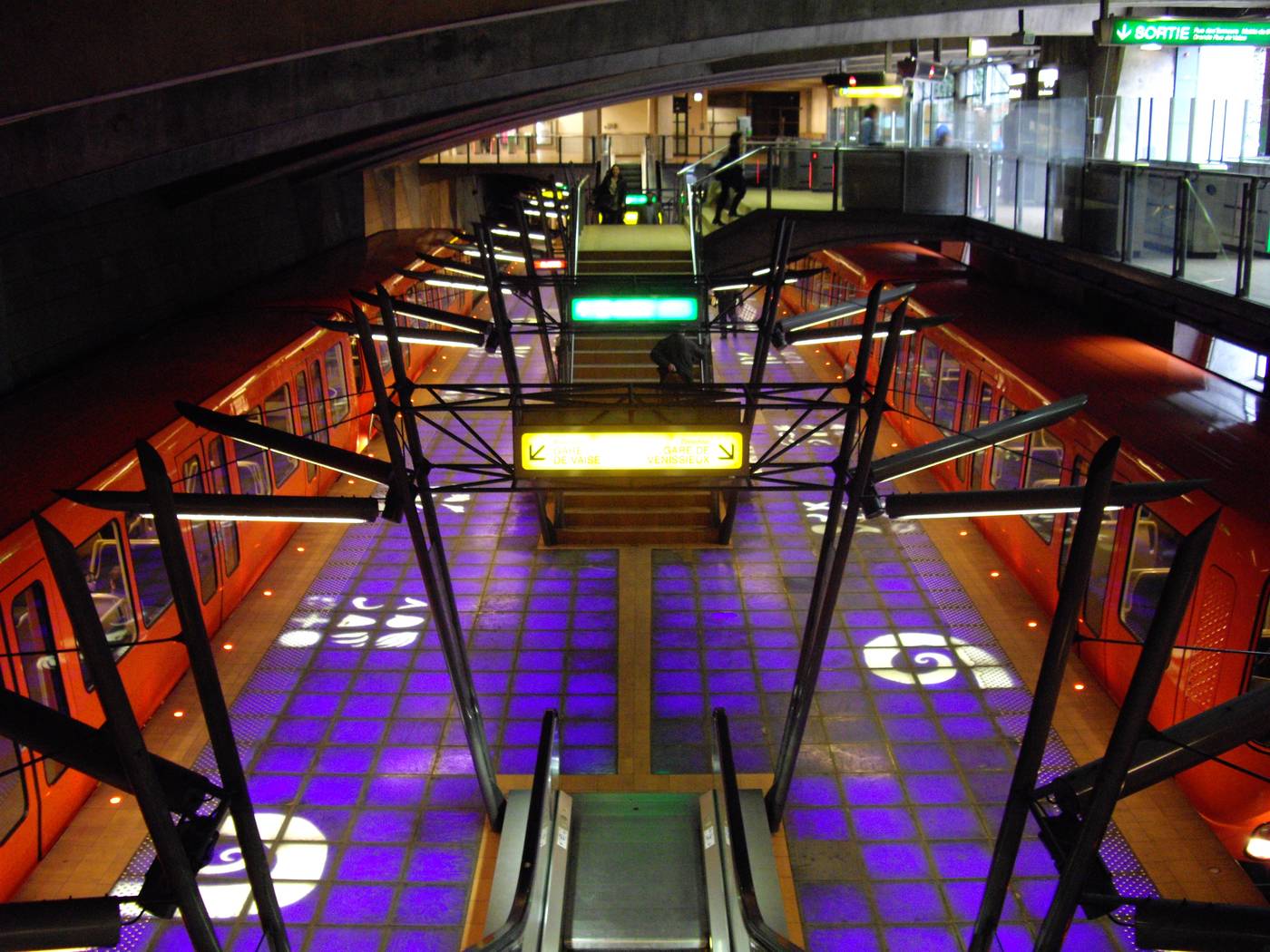
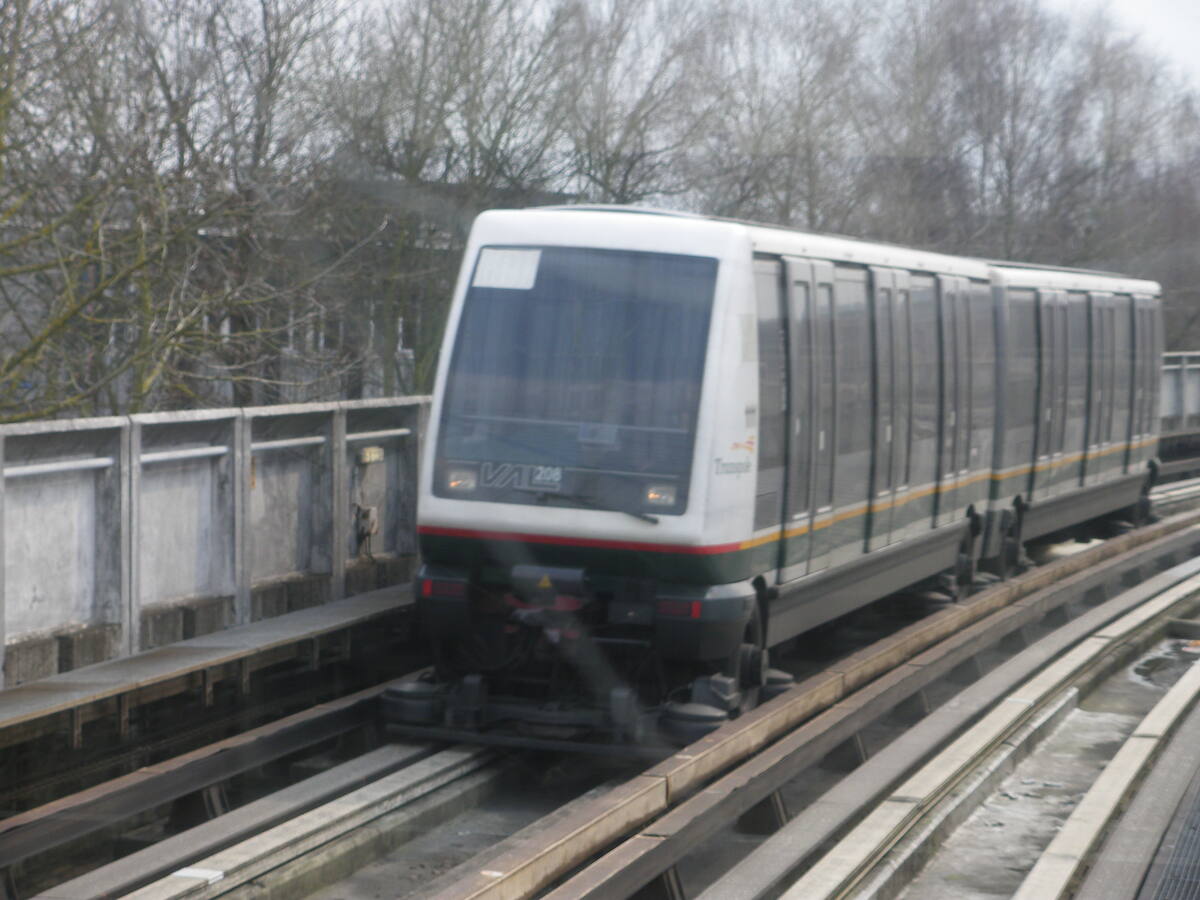
On April 25, 1983, Lille Metro Line 1 began revenue service between Quatre Cantons and République. The system used Véhicule Automatique Léger technology, better known as VAL, developed at the University of Lille and marketed by Matra. Wikipedia and industry histories call Lille the first VAL network and Europe's first fully driverless metro. Kobe's Port Liner had opened unmanned urban service in Japan two years earlier, so Lille's claim is Europe first, not world first.
The project grew from a 1970s plan to stitch Lille's congested center to new eastern suburbs that buses could not serve well. Construction started in 1978. On May 2, 1984, Line 1 reached full length, about 13.5 kilometers with most of the route underground, linking the regional hospital (CHR B-Calmette) to Quatre Cantons via Gare Lille-Flandres. Line 2 opened in 1989 and later stretched toward Roubaix, Tourcoing, and the Belgian border. Today the network runs two lines, about 45 kilometers, and 60 stations under the Ilévia brand.
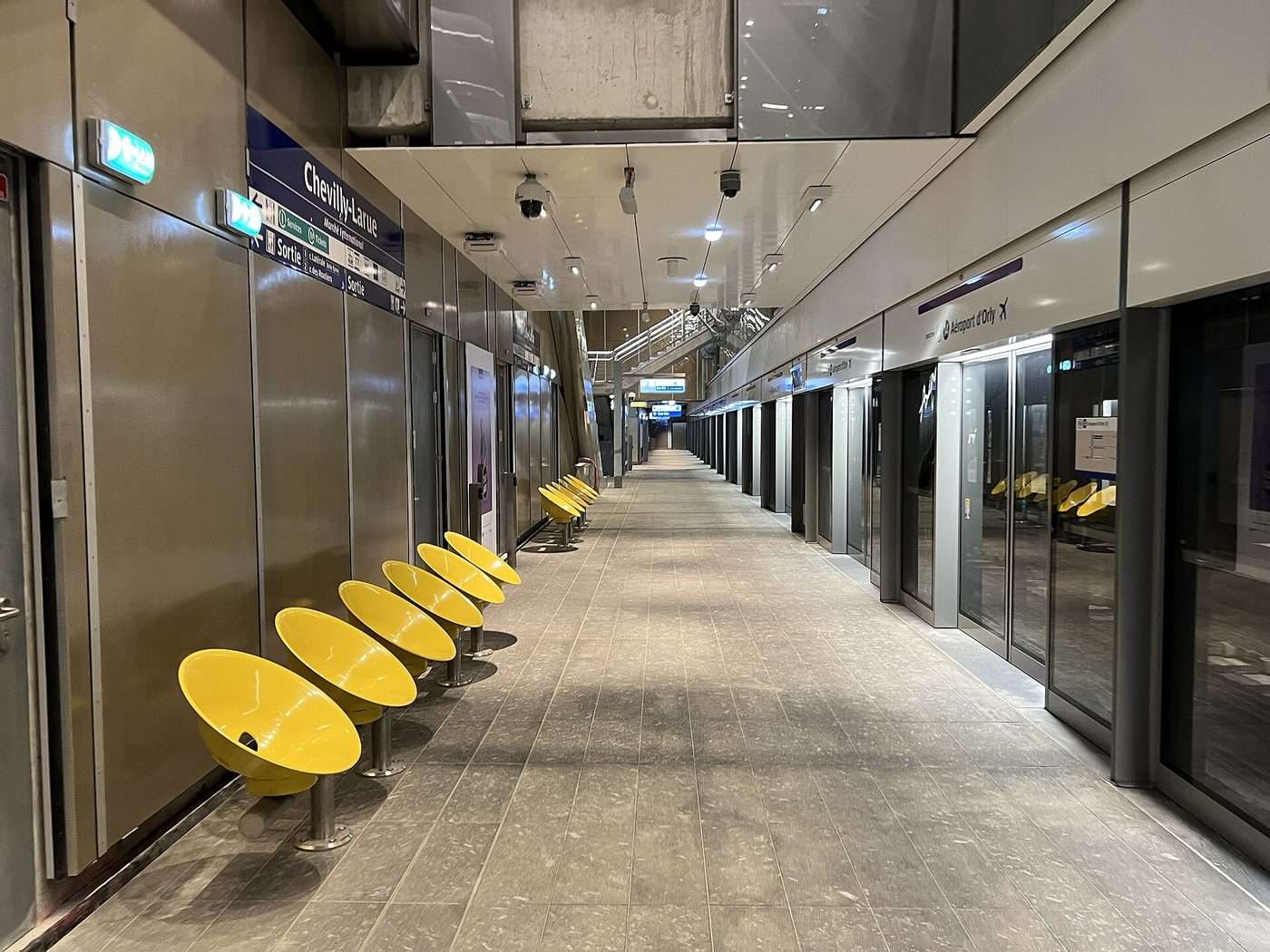
VAL cars are short, rubber-tired two-car sets that draw power from lateral guidebars. Early units were about 26 meters long and 2 meters wide. Stations use platform screen doors. Peak headways can drop below two minutes. That sealed guideway, fixed blocks and platform doors made empty-cab operation certifiable in the early 1980s, long before street-running robotaxis cleared city regulators.
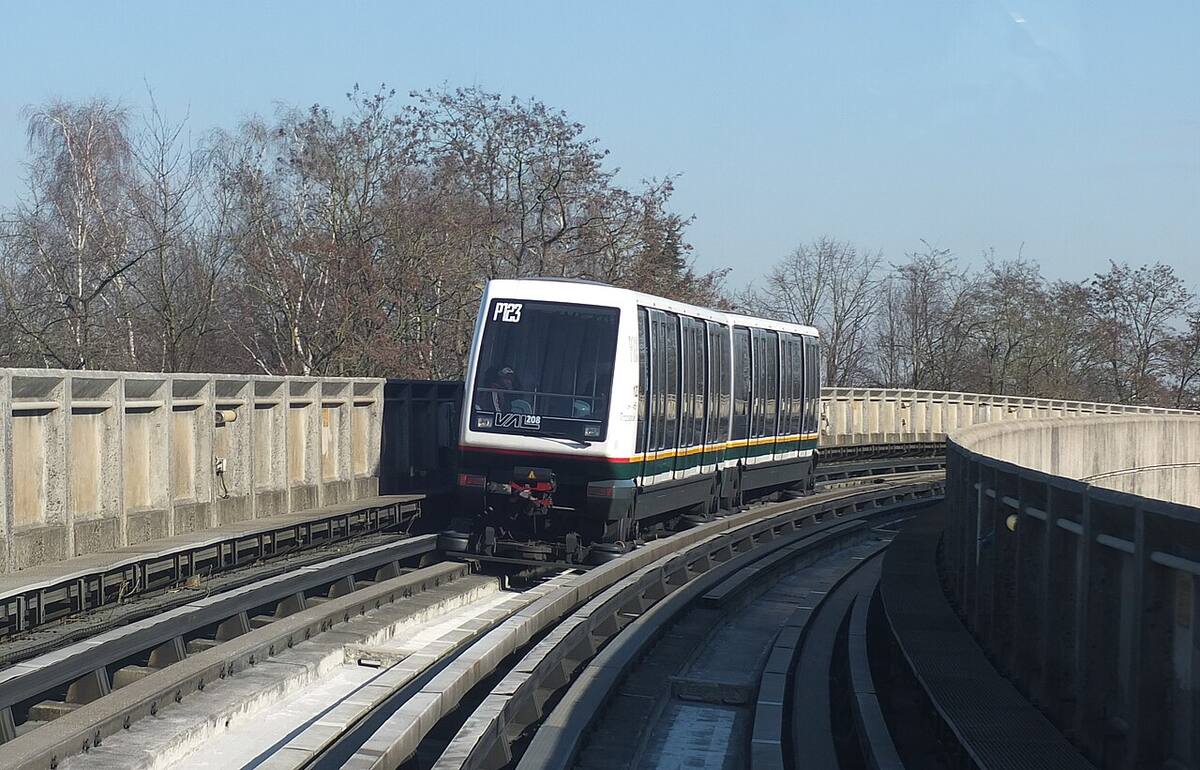
The technology traveled. Orlyval, Toulouse, Rennes, Turin, Taipei's Wenhu line, and airport people-movers at Paris Charles de Gaulle later adopted VAL or VAL-derived stacks. Siemens took over Matra's transit business in the late 1990s and still markets the family. Lille remains the proof point: a working European driverless metro that opened while David Bowie's Let's Dance was still on the charts.
The curiosity still lands on today's AV wire. When Waymo, WeRide, or Tesla argue over who runs first without a safety driver on city streets, Lille riders have been boarding automated metros for more than four decades. Driverless did not arrive only with lidar on public roads. In one French industrial city, it arrived as a rubber-tired metro that never needed a cab crew.
Sources
Sam Okonkwo, Robotaxi. Sam Okonkwo is a senior correspondent covering robotaxis, fleet ops, and paid driverless service. Previously reported transport tech for trade titles; based in Austin.