Empty Cab at the Gate: Heathrow Pods Have Run Driverless Since 2011
Did you know Heathrow Terminal 5 has been moving Business Car Park passengers in small, battery-electric pods with nobody at a wheel since April 2011?
Harper Quinn, Live desk · Sept. 23, 2026 · 3-4 min
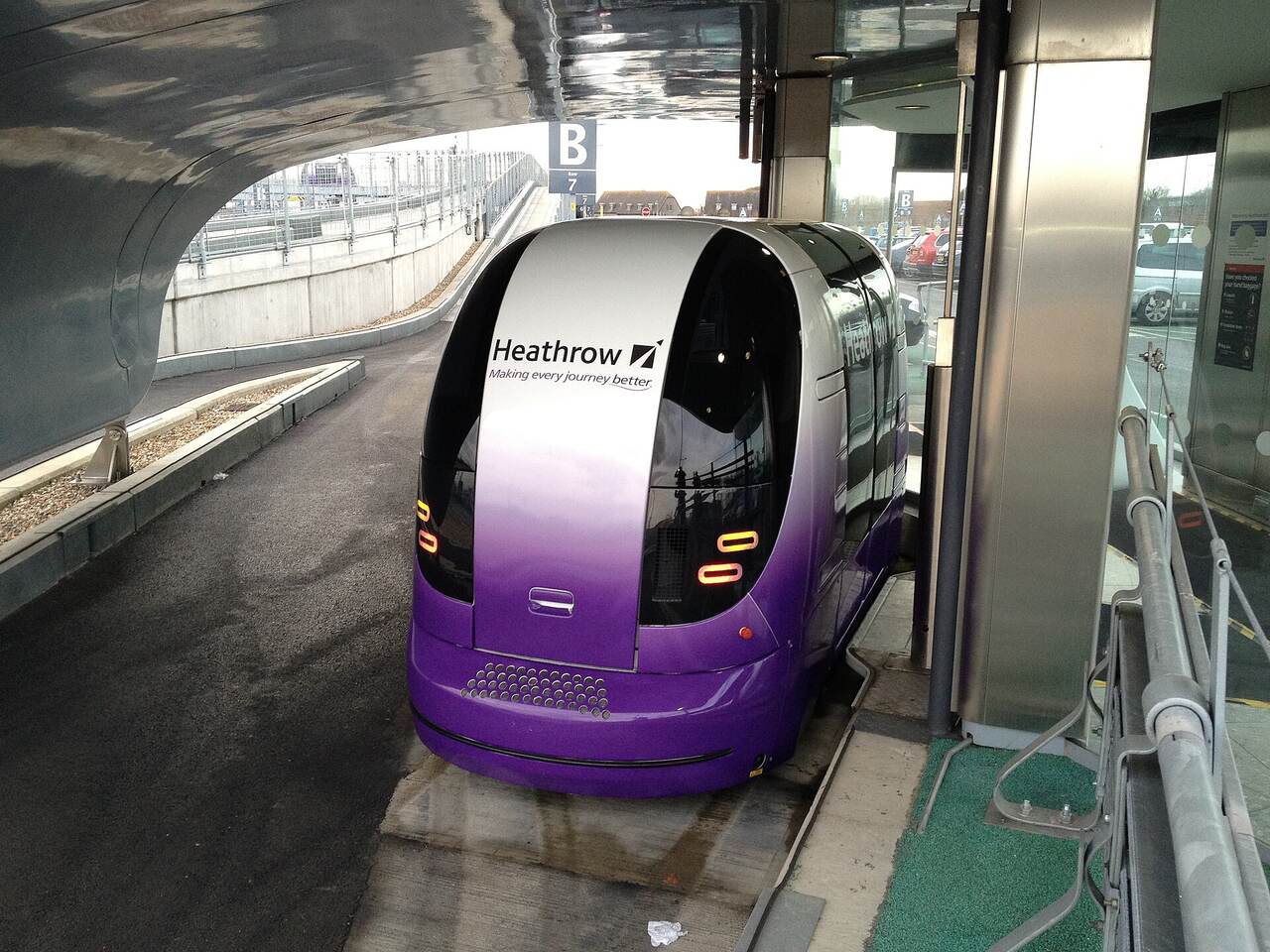
LONDON - Did you know Heathrow Terminal 5 has been moving Business Car Park passengers in small, battery-electric pods with nobody at a wheel since April 2011?
The Heathrow Pod network, built on ULTra personal rapid transit technology that began as University of Bristol research and was commercialised by Advanced Transport Systems (later Ultra Global PRT), links Terminal 5 to its Business Car Park on a dedicated guideway about 3.8 kilometers long. Heathrow's media centre described a fleet of 21 low-energy, battery-powered, driverless, zero-emission vehicles that each carry up to four passengers plus luggage. Riders call a pod on demand, travel non-stop, and reach about 40 kilometers per hour (25 mph) on a roughly five-minute hop that was meant to replace tens of thousands of shuttle-bus runs a year.
Public passenger service started on about 18 April 2011. By the official unveil on 19 September 2011, Heathrow said more than 100,000 people had already used the pods. The airport and Ultra pitched the system as the first new transit technology of its kind in a century at the airport, and as the first fully operational commercial personal rapid transit of this style in the United Kingdom. Industry write-ups often call it the first operational airport PRT of its kind worldwide.
A University of Bristol REF impact case study later reported that the pods completed about 1,007,000 fully driverless miles within two years of opening, with availability cited around 99.5 percent and the highest passenger-satisfaction mark among Terminal 5 services in that period. The same case study traces the stack to 1990s Bristol systems-engineering work on on-demand, non-stop urban transport and a separate guideway that made empty-cab certification practical long before street-running robotaxis cleared city regulators.
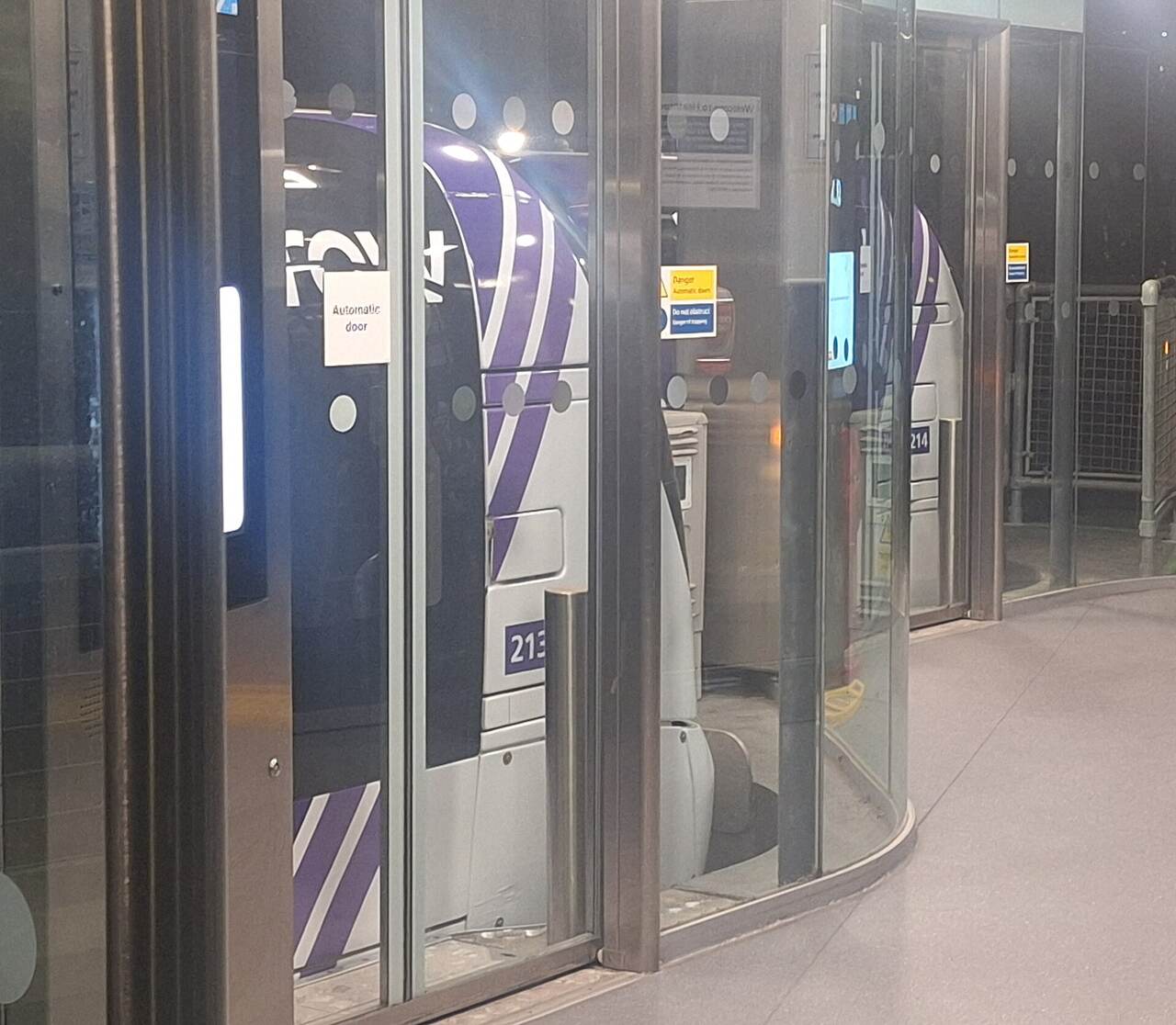
The curiosity still lands on today's AV wire. When operators argue over who first ran paid rides with an empty front seat on public roads, Heathrow passengers have been boarding private, driverless pods between a car park and a jet bridge for more than a decade. Driverless did not arrive only with lidar on city streets. At one London airport, it arrived as a purple-and-silver pod that never needed a cab crew.
Sources
Harper Quinn, Live desk. Harper Quinn is a senior correspondent on the live desk covering breaking driverless launches and permits. Previously reported mobility for wire services; based in San Francisco.